Is a Loft Conversion the Answer for Your Home?
When you’re desperate for an extra bedroom or a quiet office, looking “up” is often more cost-effective than building “out.” A loft conversion is one of the few home improvements that almost always pays for itself in added property value. However, not every attic is a “hidden” room waiting to happen.
The Headroom Test
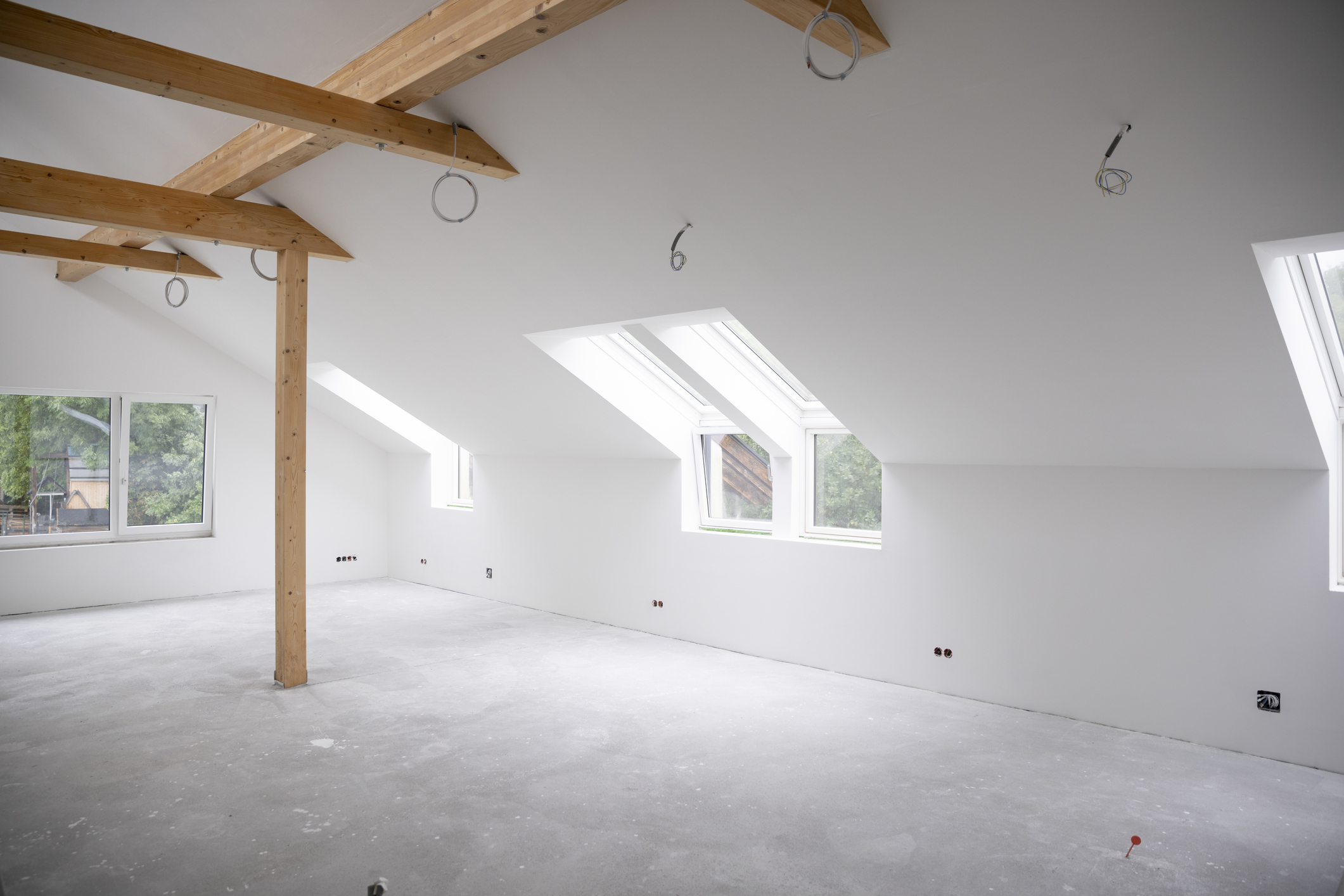
The first thing I do when I poke my head through a loft hatch is measure the height. You generally need 2.2 metres of clear head height at the highest point for a conversion to be legally viable and comfortable. If you haven’t got that, we have to look at “dropping” the ceilings of the rooms below—a much bigger job—or raising the roofline, which gets tricky with planning permission.
Dormer vs. Velux
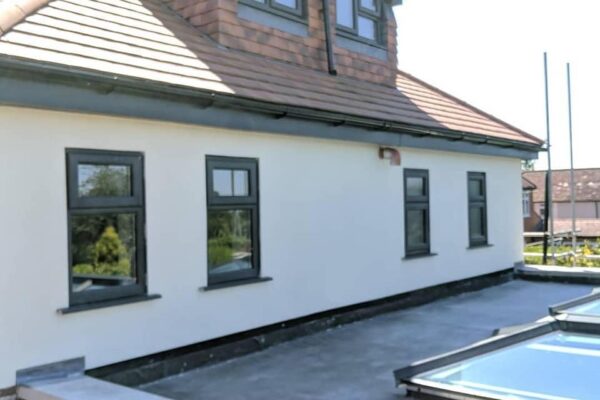
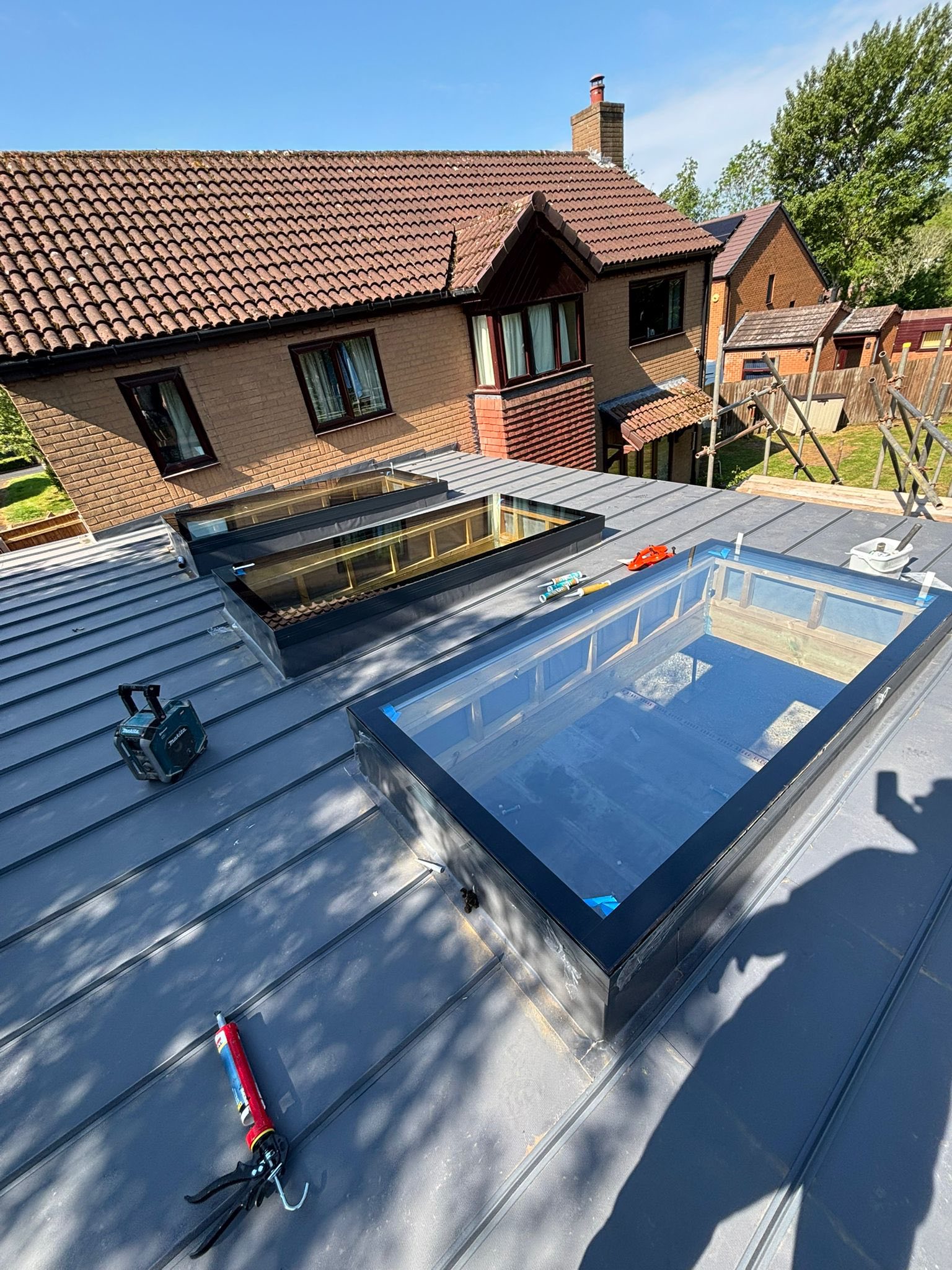
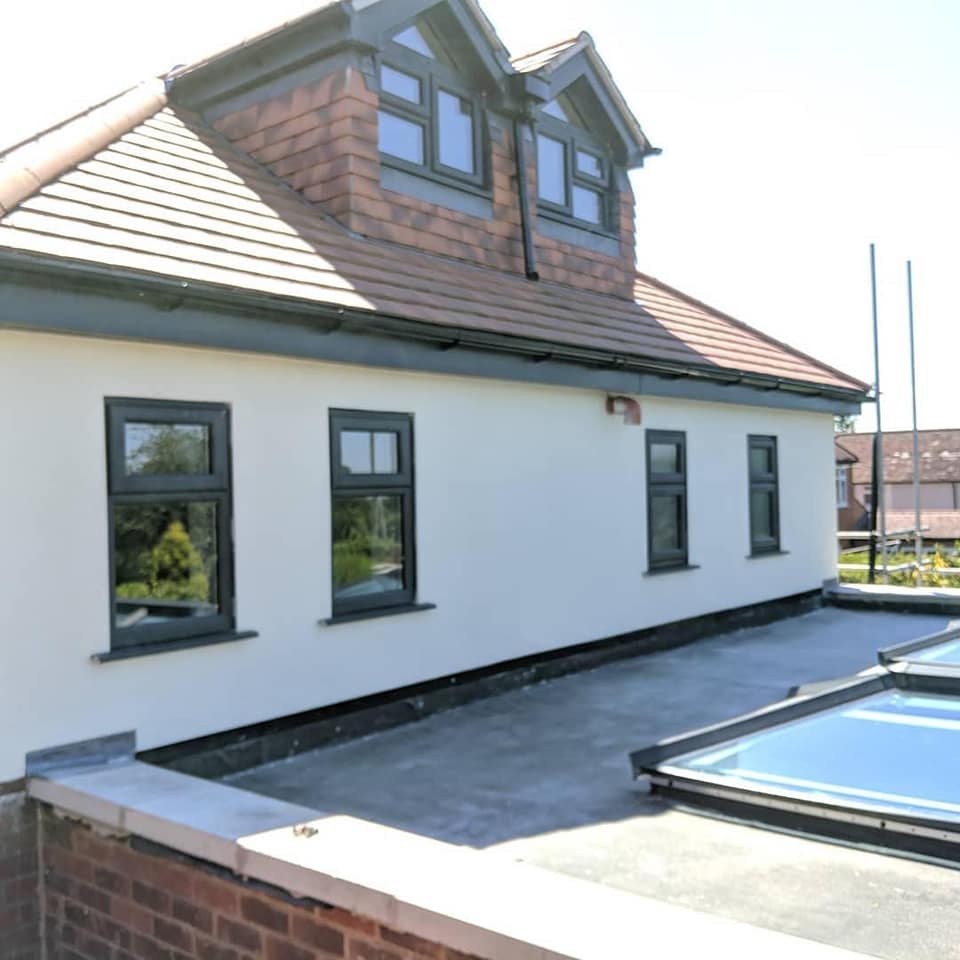
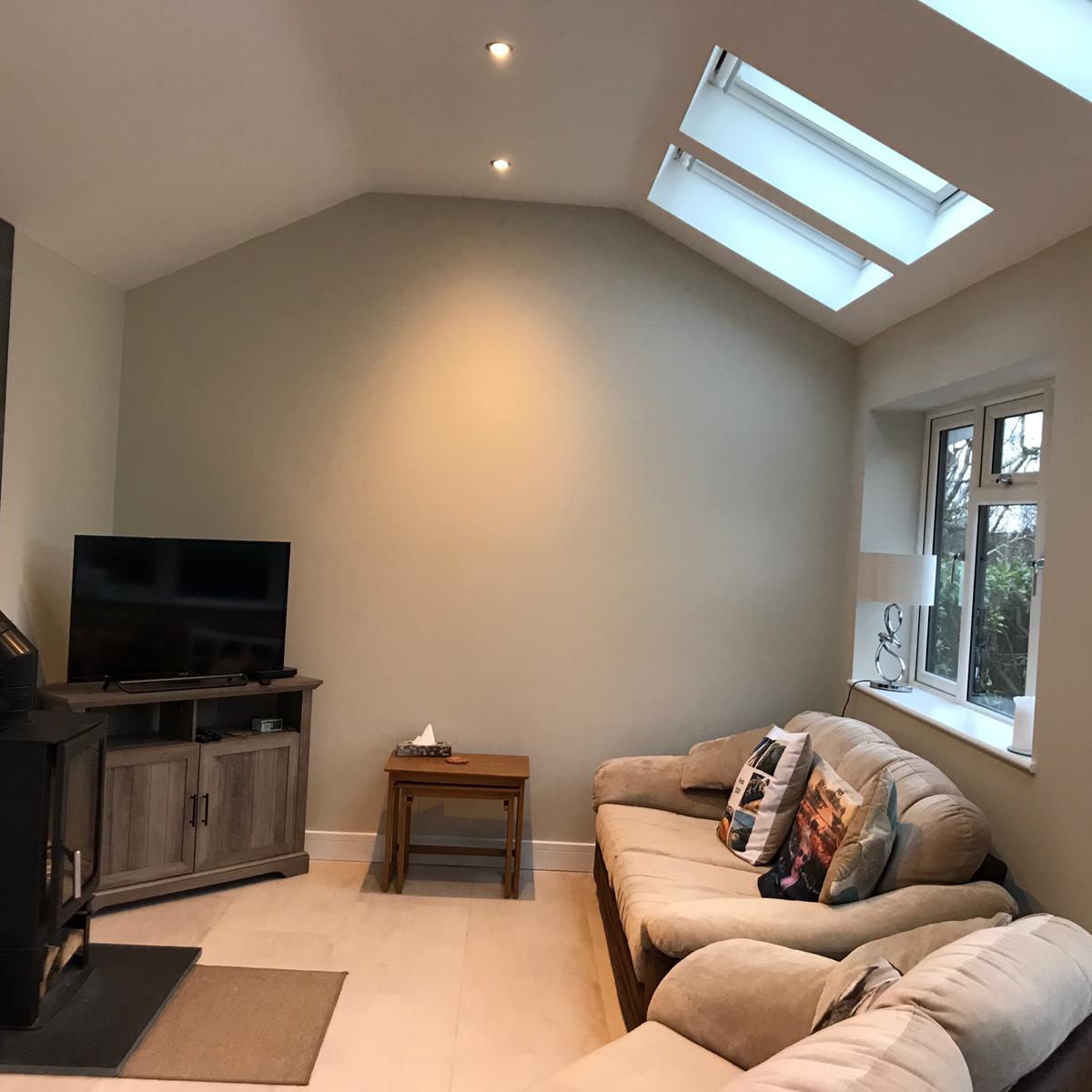
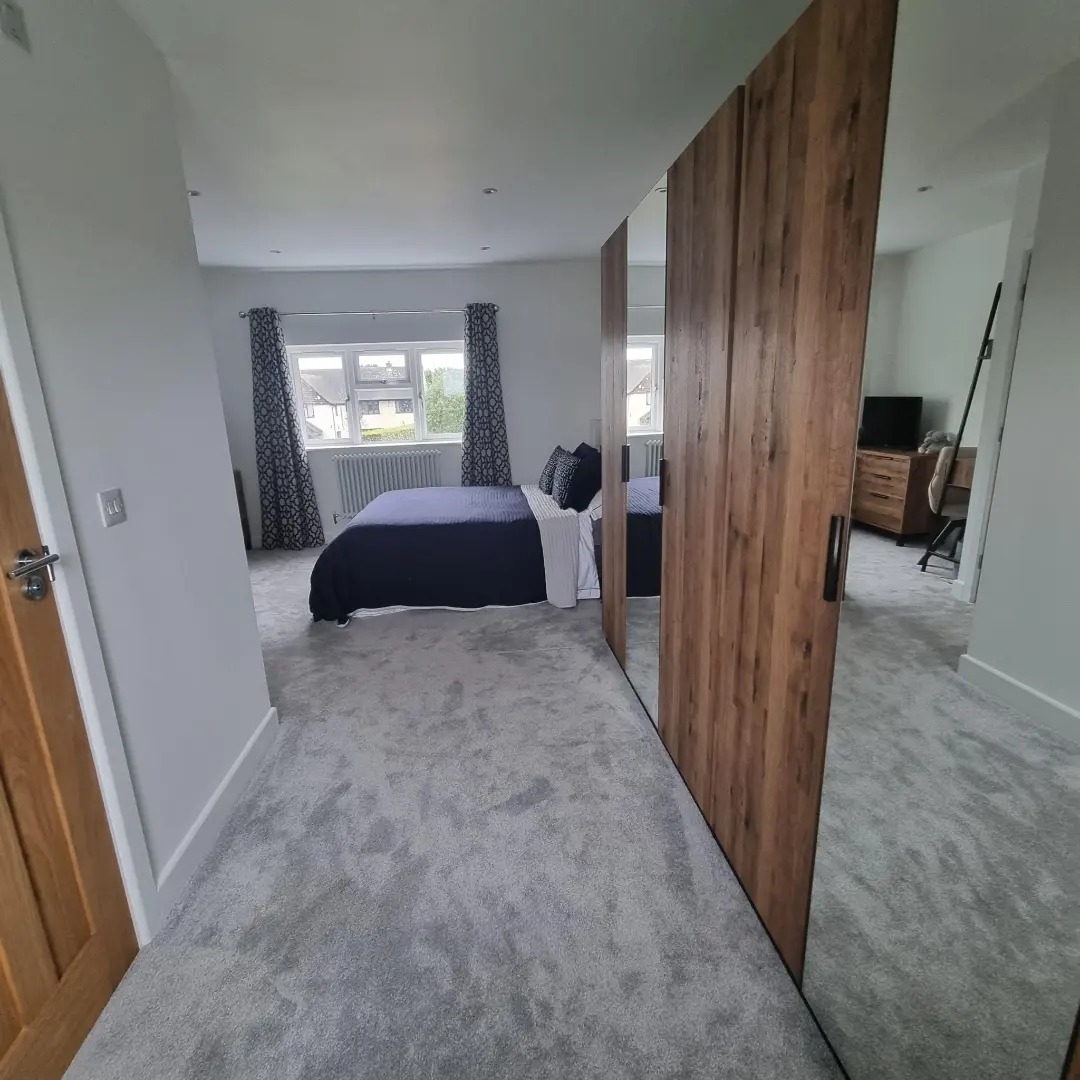
I often walk clients through the two main options. A Velux conversion keeps the original shape of the roof; it’s quicker, cheaper, and usually falls under “Permitted Development.” But if you want a room that actually feels like a room (and space for an ensuite), a Dormer conversion is the way to go. It “squares off” the roof, giving you vertical walls and proper windows. It changes the silhouette of your house, but the internal space it creates is a game-changer.
The “Staircase” Challenge
The biggest “hidden” cost of a loft conversion isn’t the roof—it’s the stairs. Building Regulations are very strict about where a staircase can go for fire safety. I’ve seen many DIY plans fail because they didn’t account for the fact that the new stairs will “eat” space from the floor below. I work to find the most efficient spot, usually over the existing stairwell, to ensure the flow of the house remains natural.