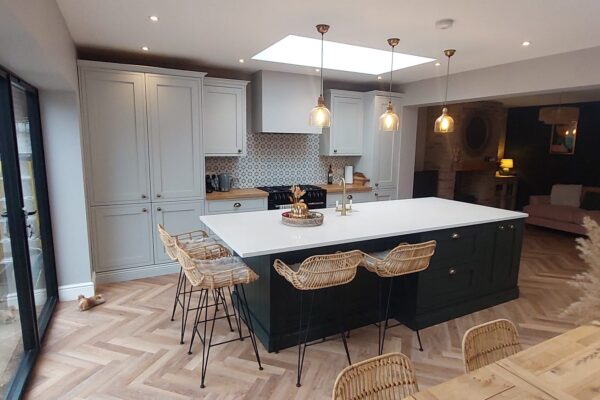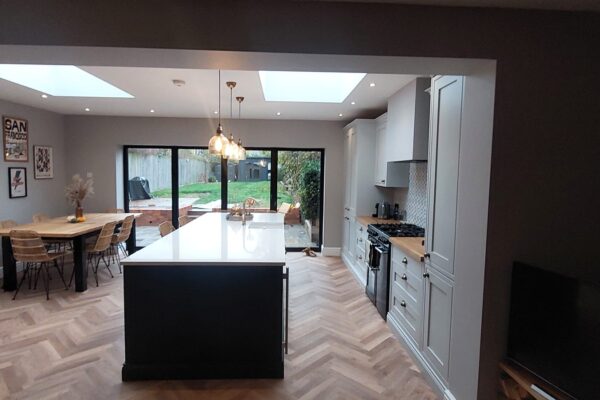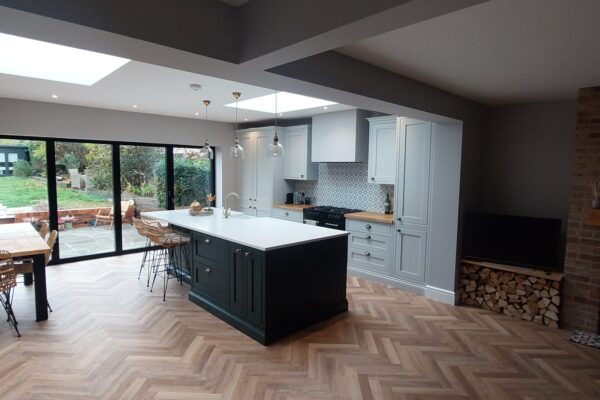
Creating a Seamless Indoor-Outdoor Flow
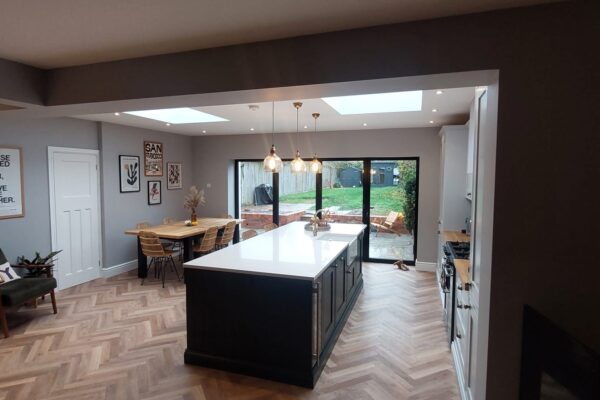
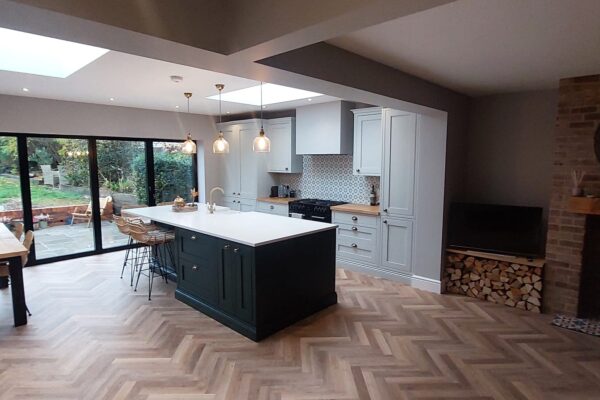
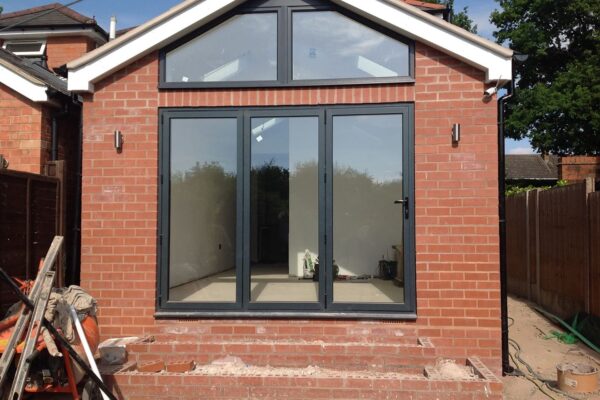
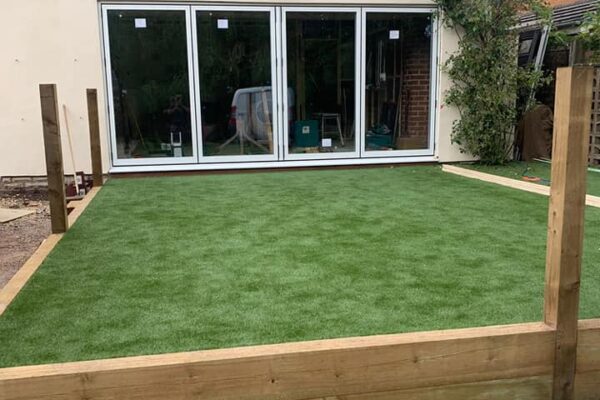
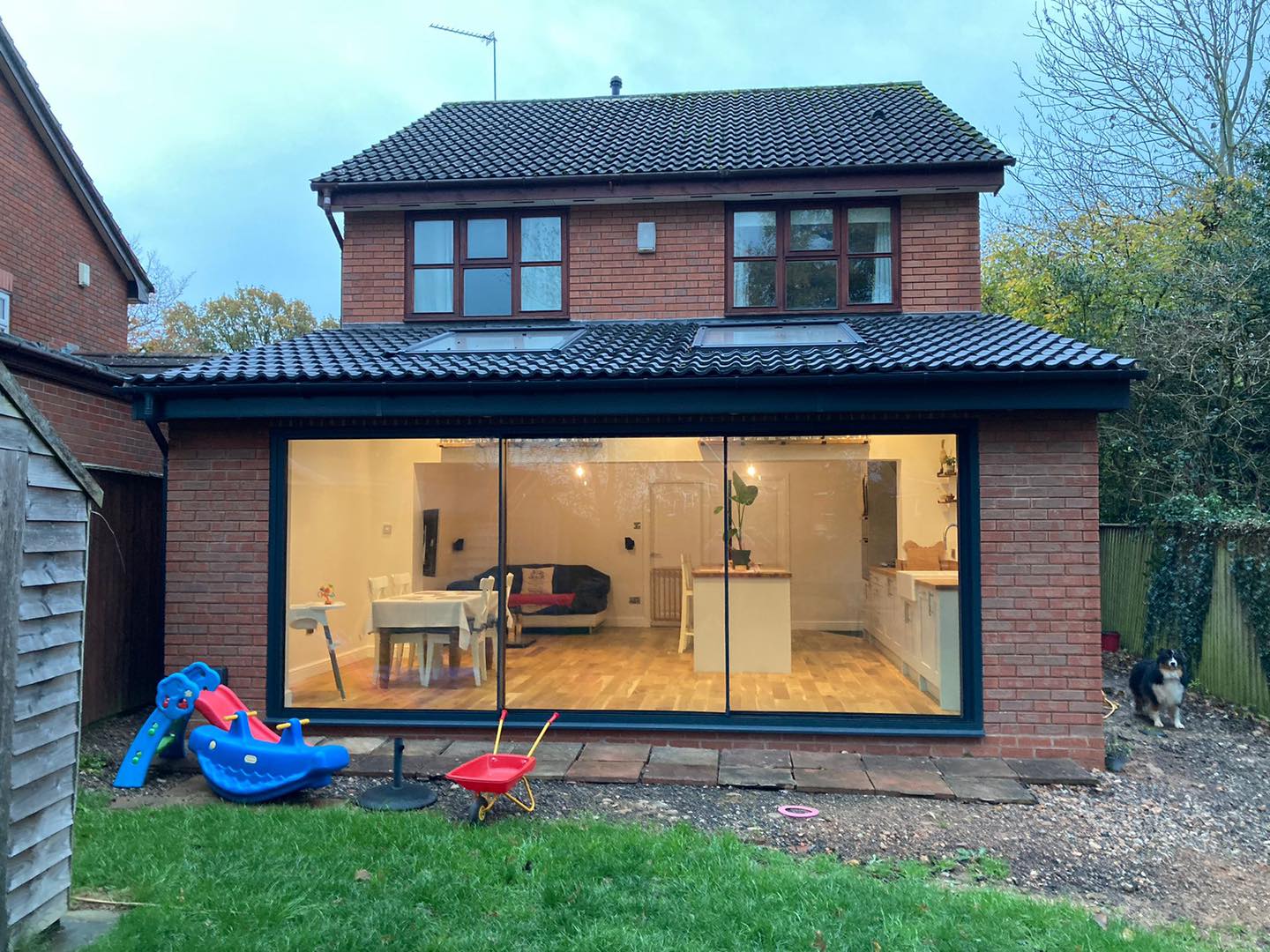
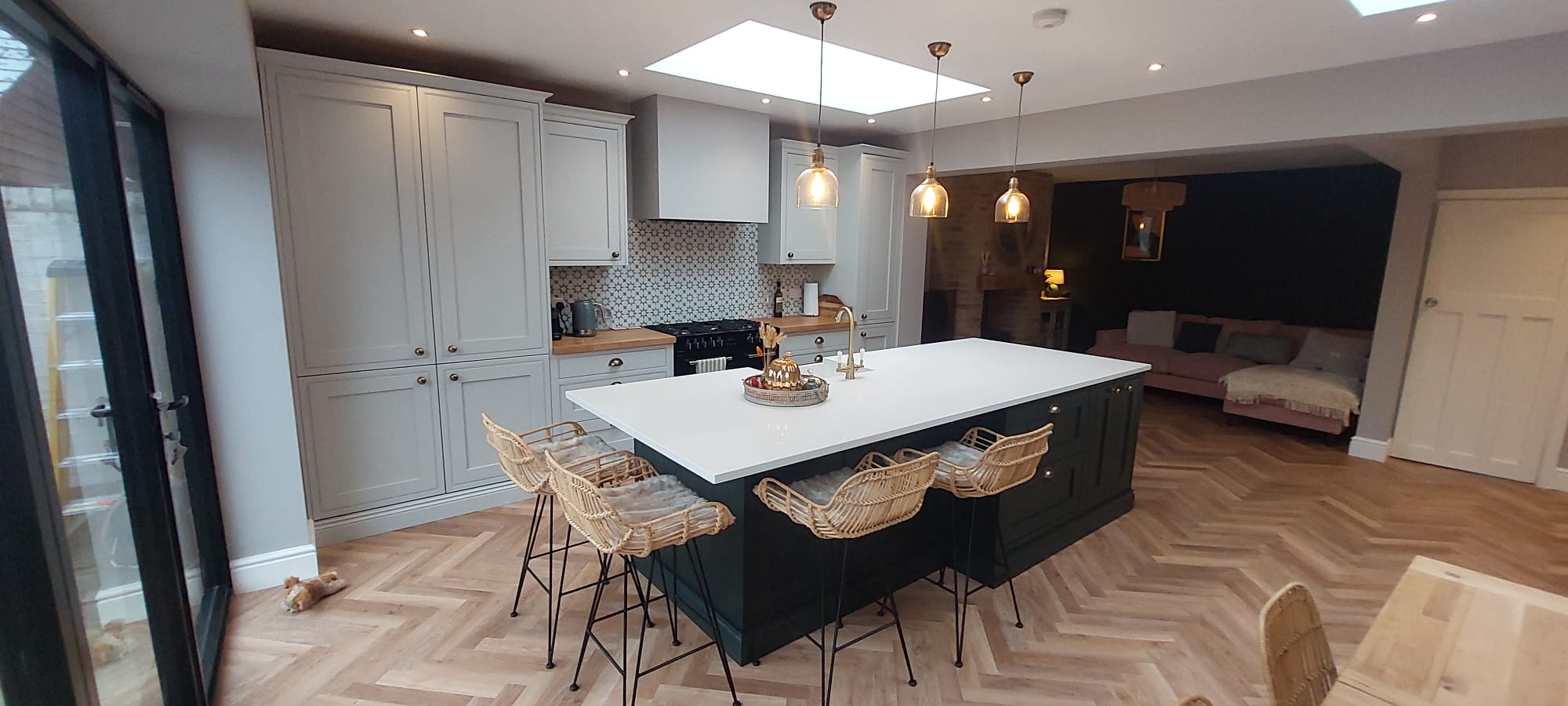
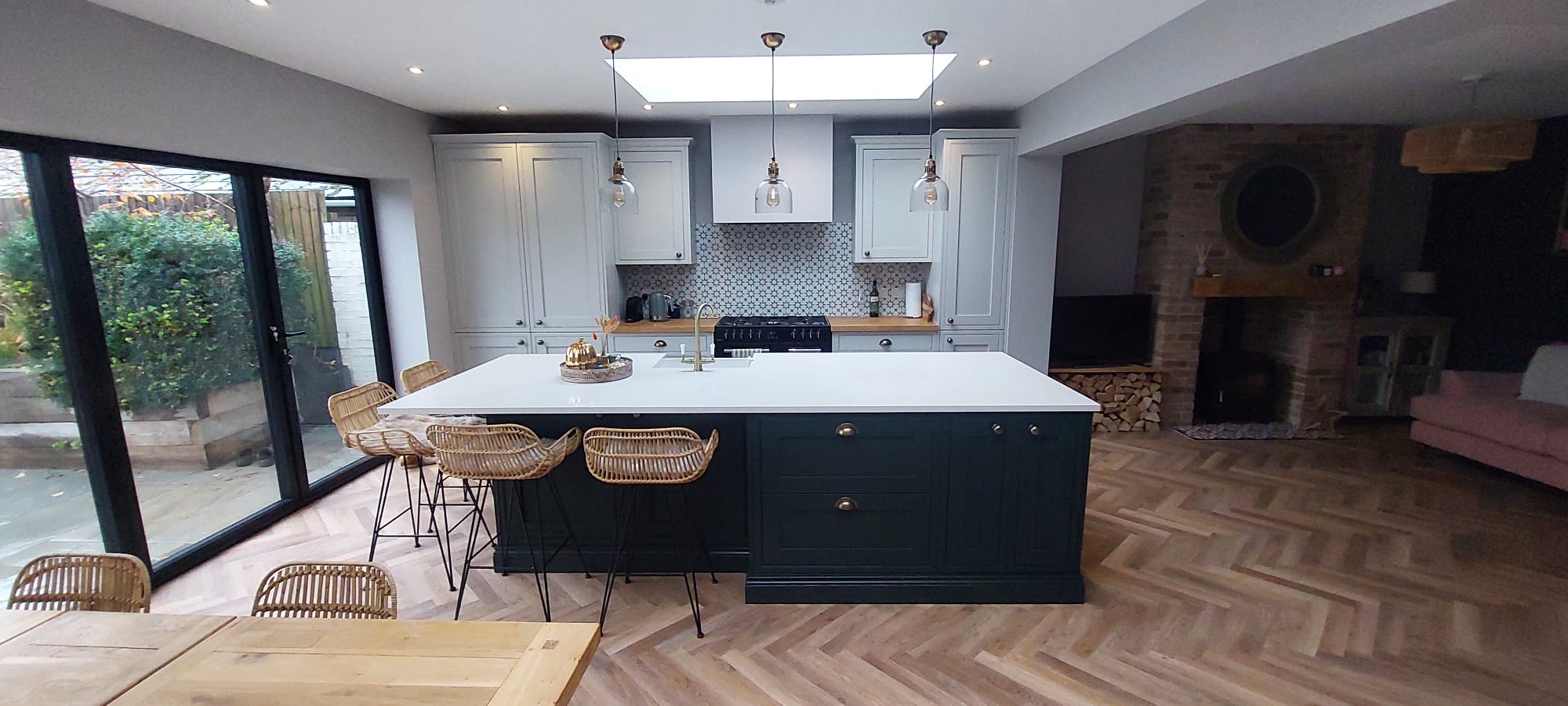
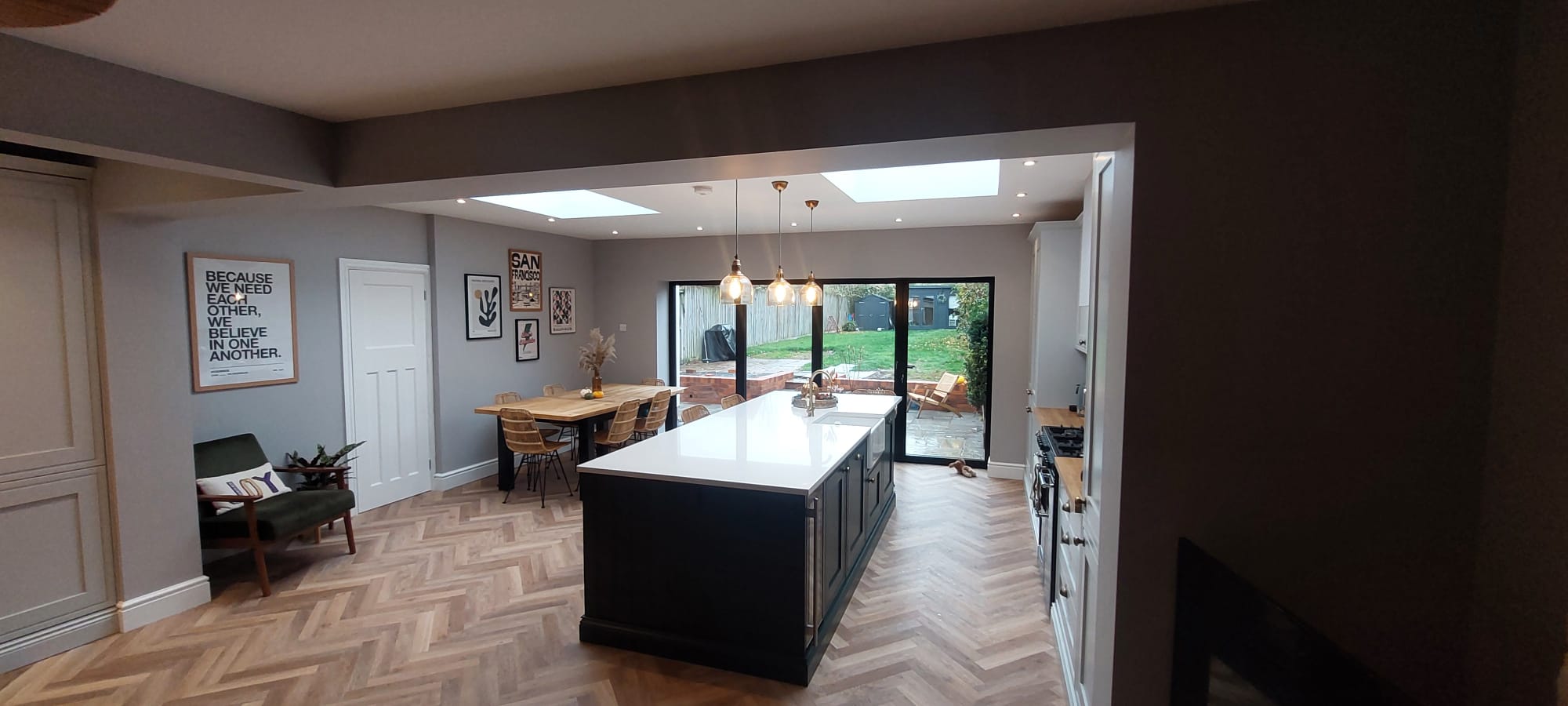
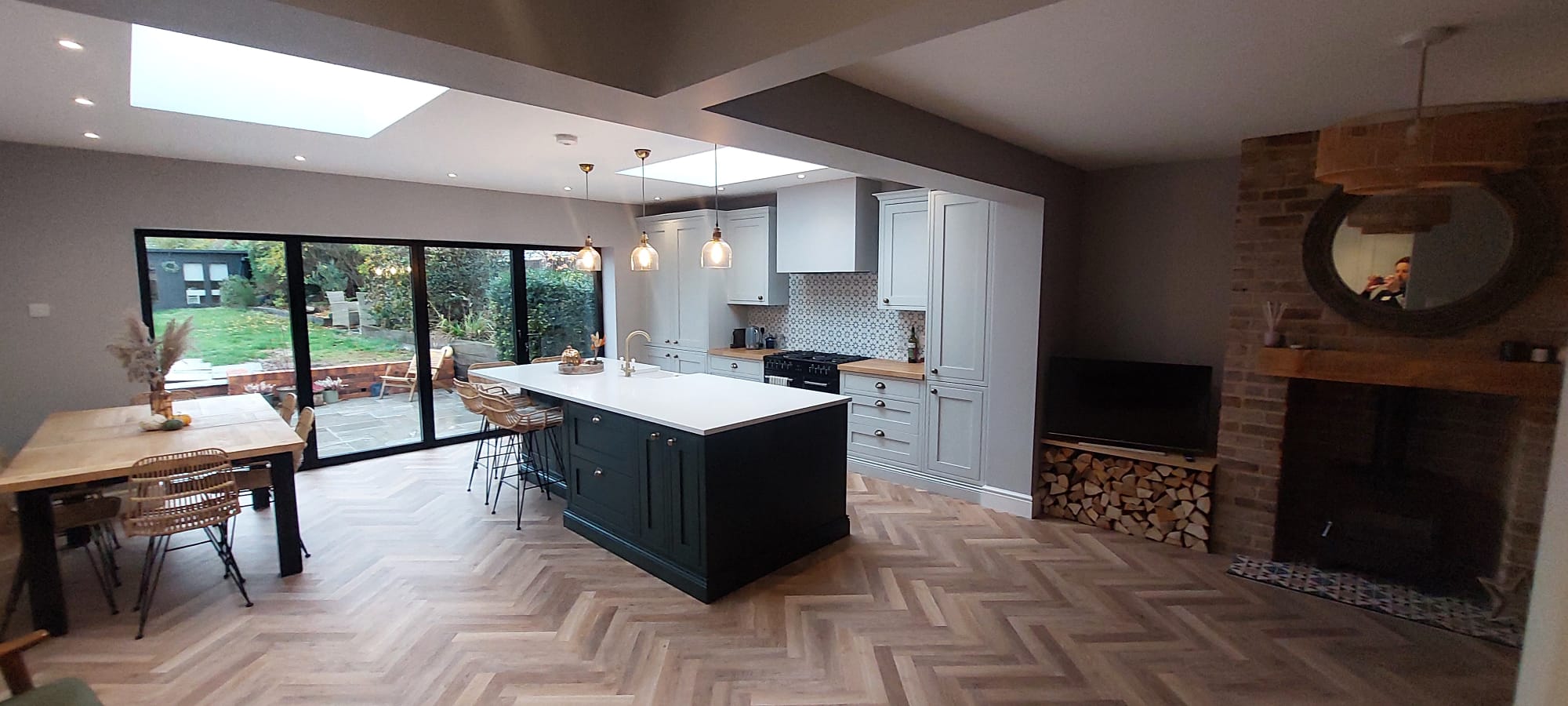
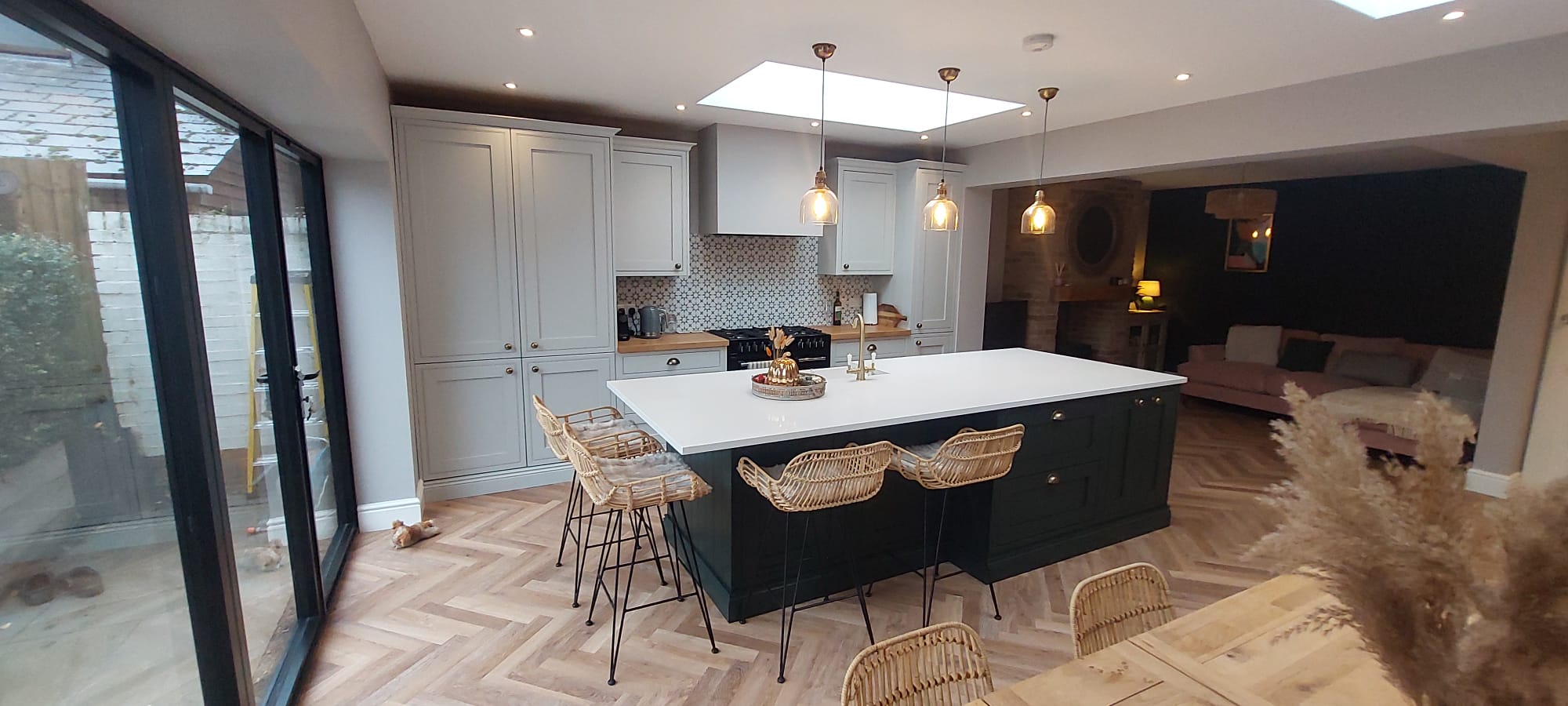
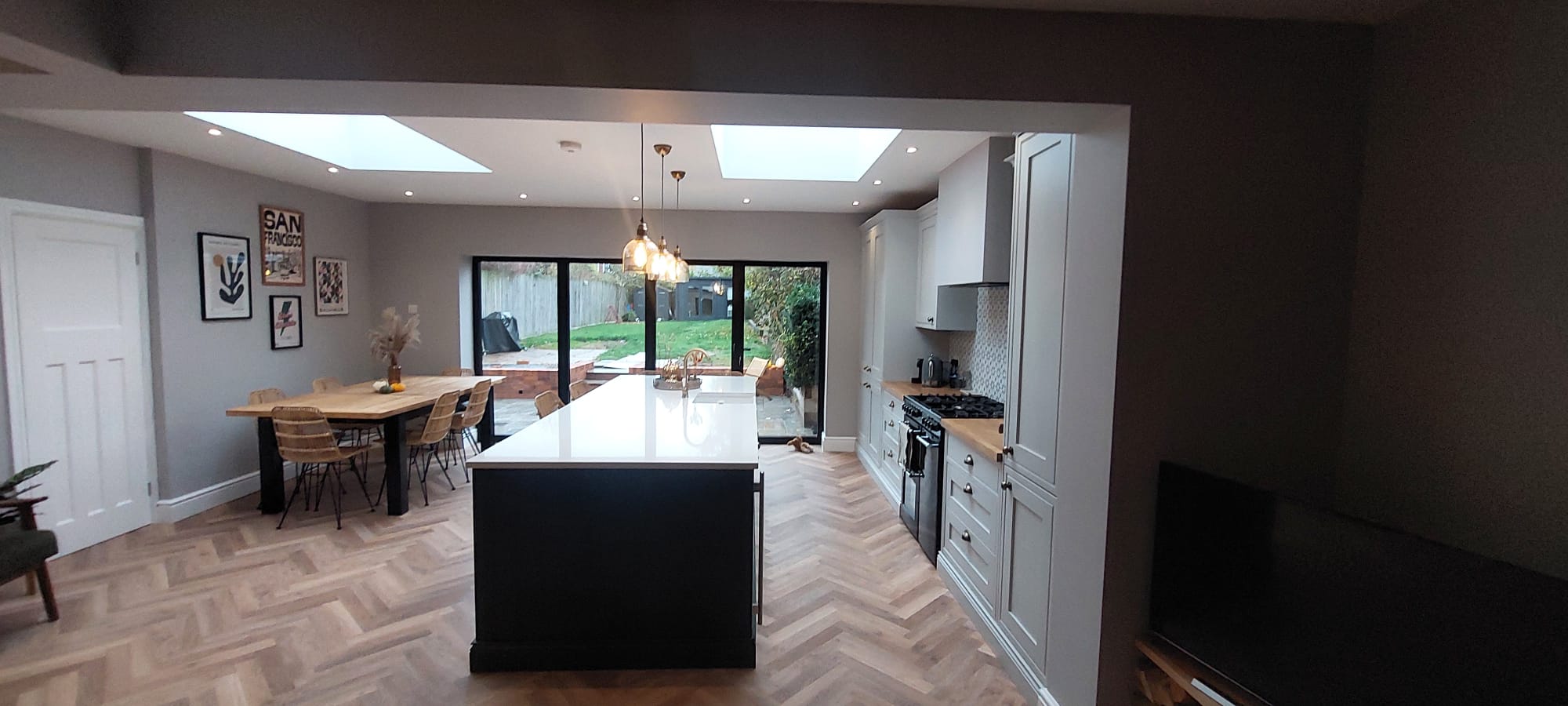
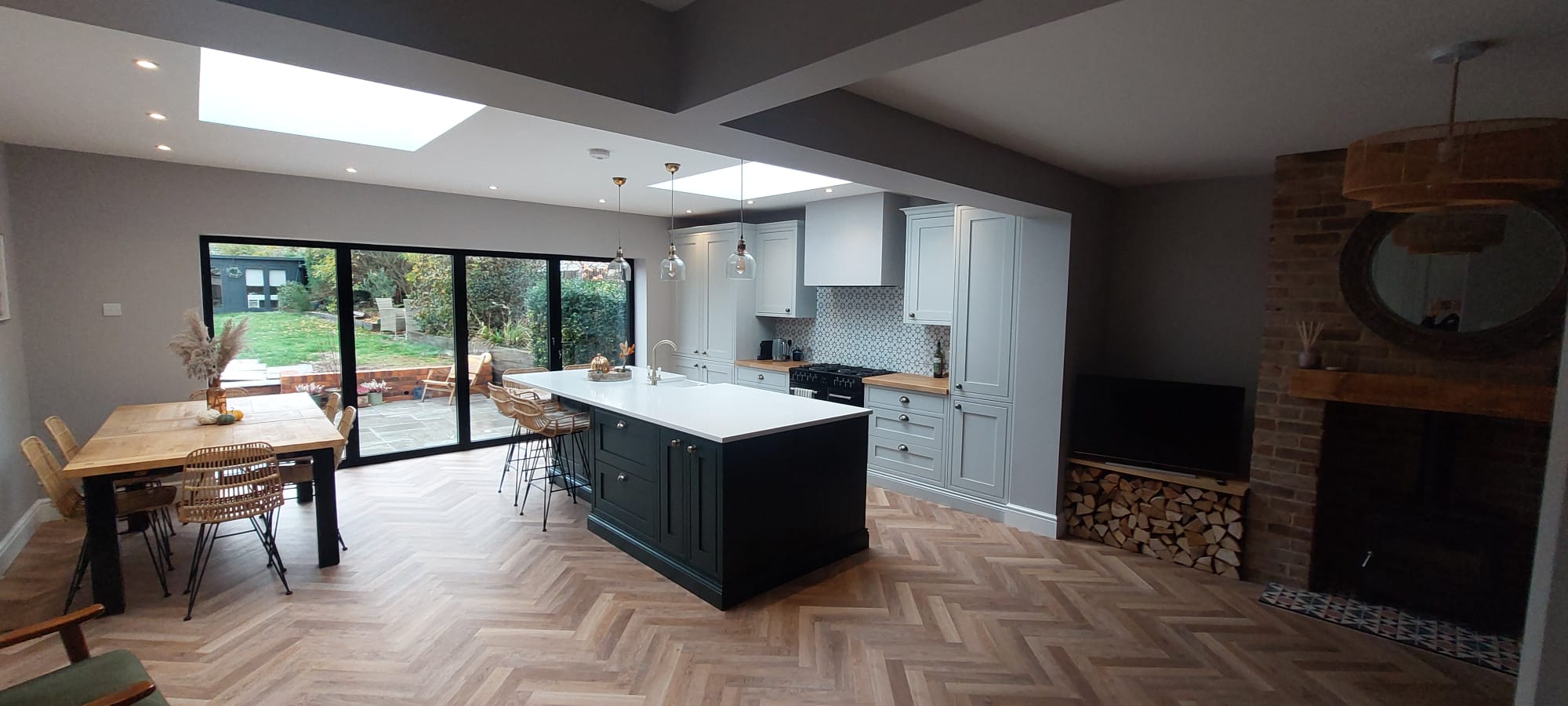
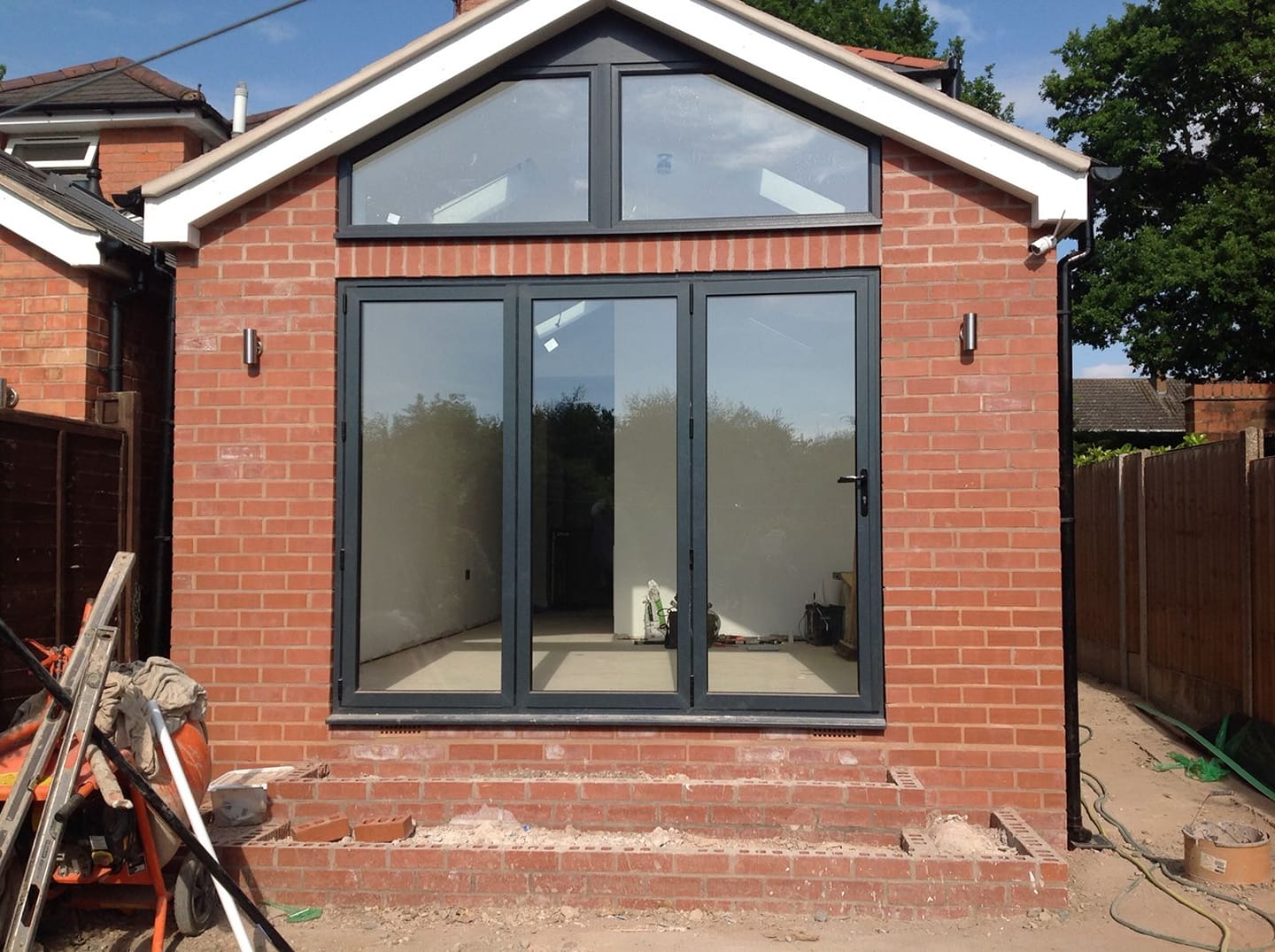
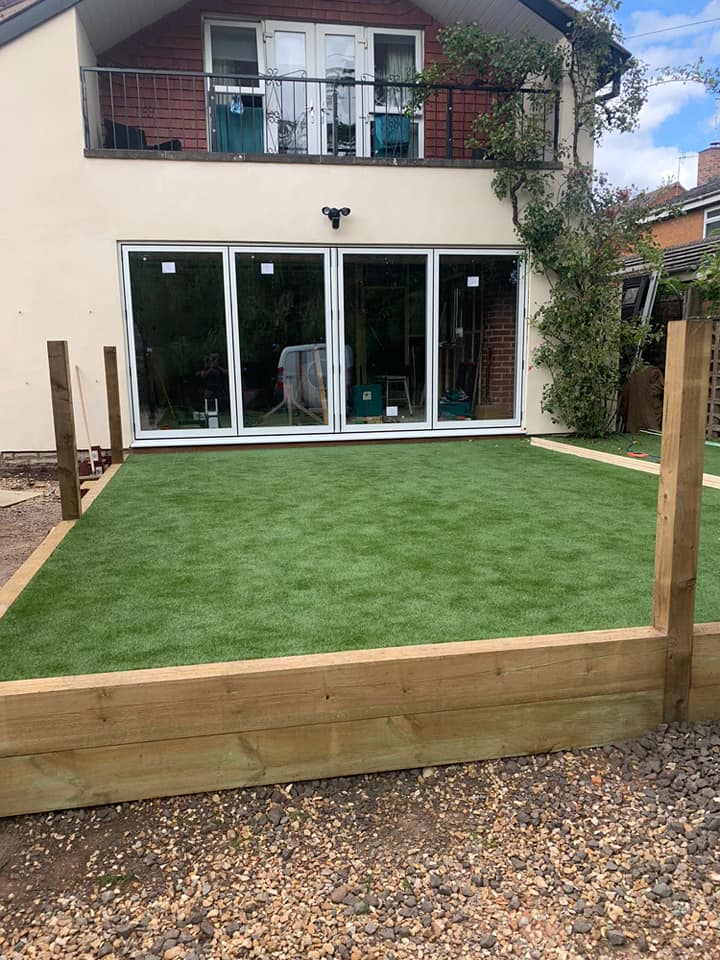
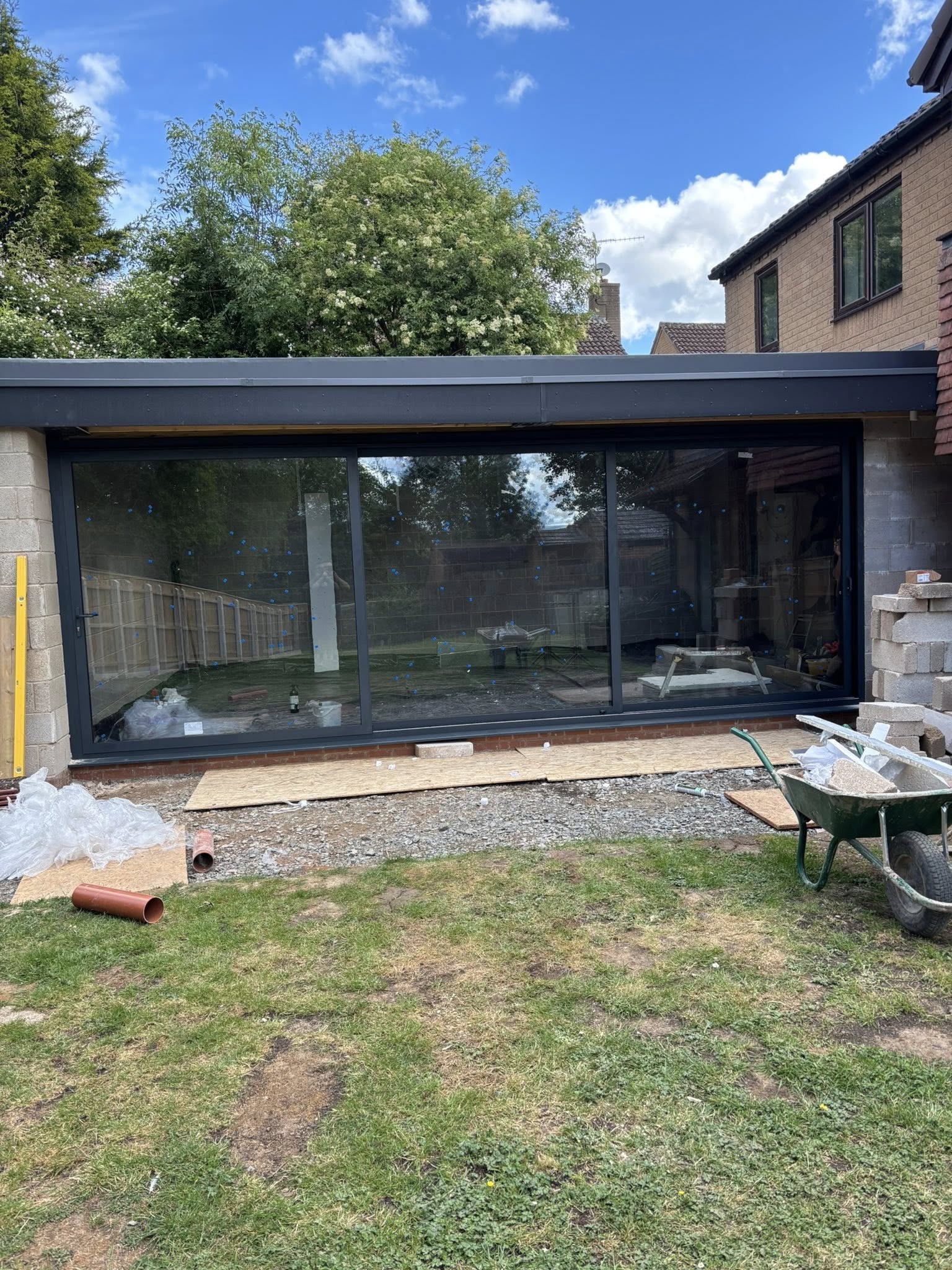
In the last few years, our gardens have become “outdoor rooms.” We aren’t just looking for a bit of grass to mow; we’re looking for a continuation of our living space. Creating a “seamless flow” is about more than just a set of bifold doors; it’s about the technical details that trick the eye into thinking there is no barrier.
Level Thresholds
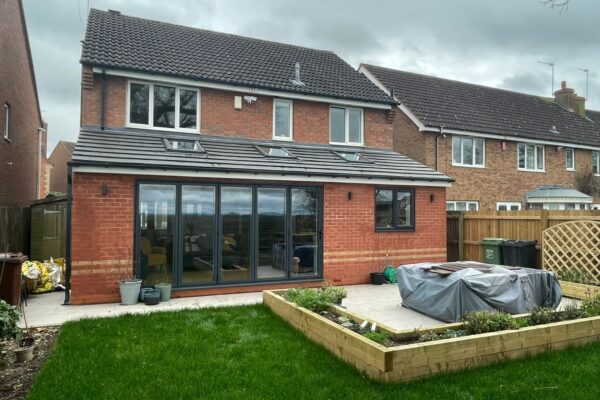
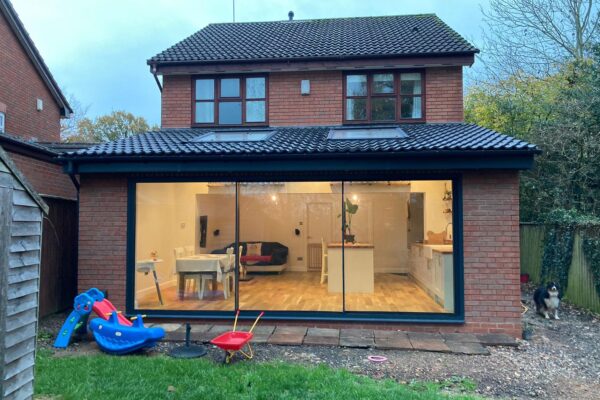
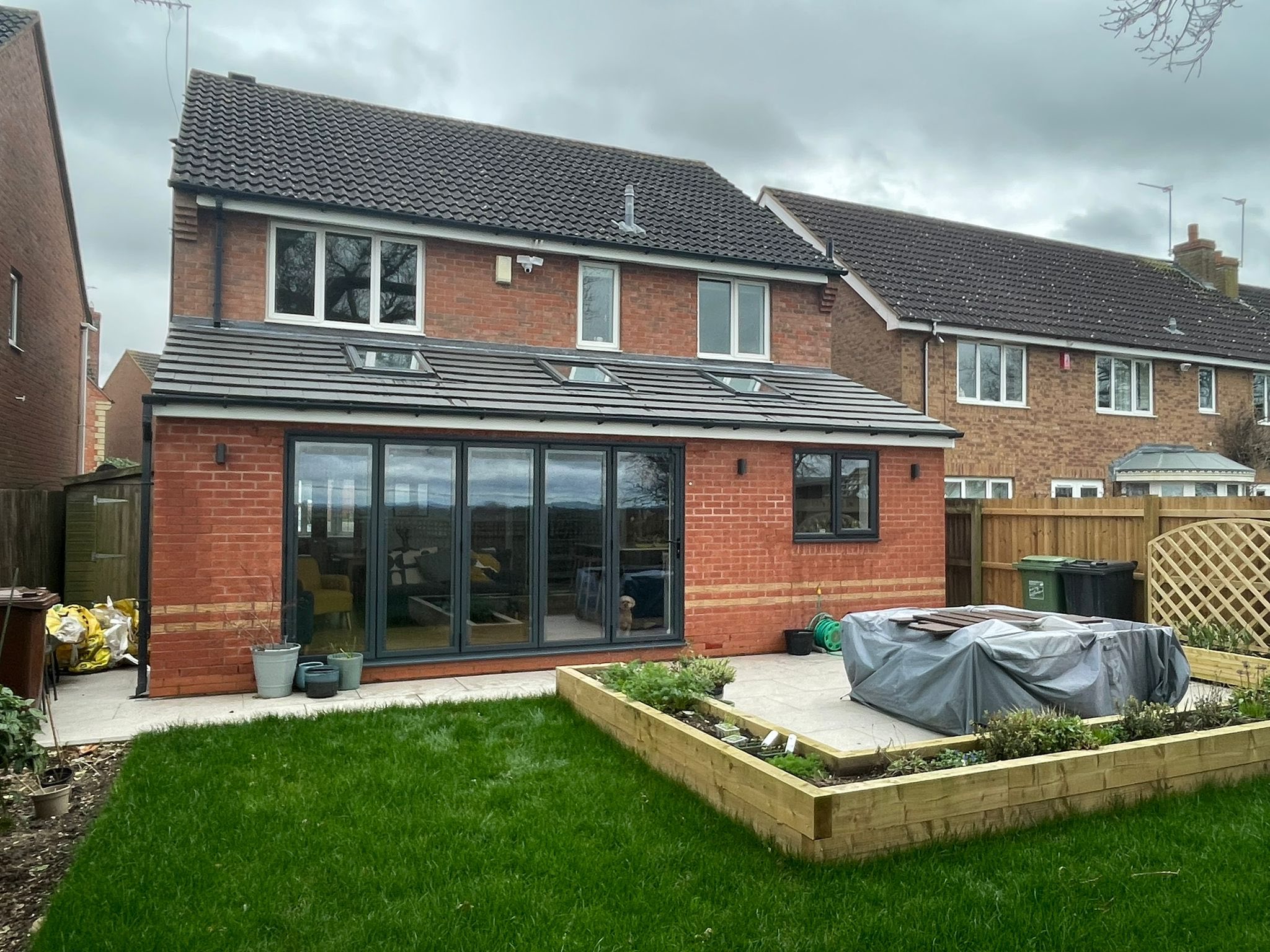
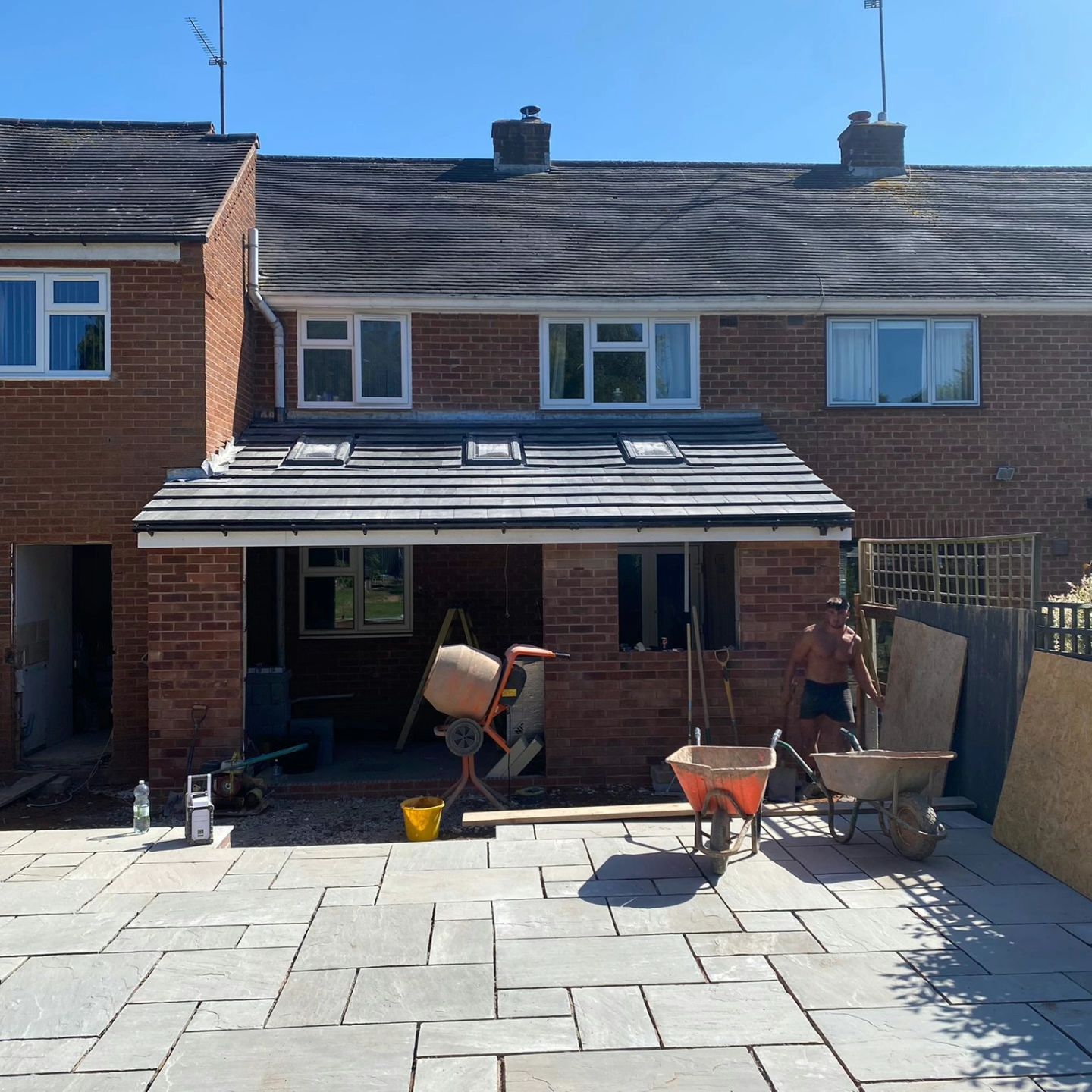
The “gold standard” for indoor-outdoor living is a level threshold. This is where the floor inside and the paving outside sit at the exact same height. It sounds simple, but it’s technically demanding. It requires a specific type of drainage “trench” at the door line to ensure that when the British rain hits the patio, it doesn’t end up in your living room. When I get this right, the transition is effortless.
Material Matching
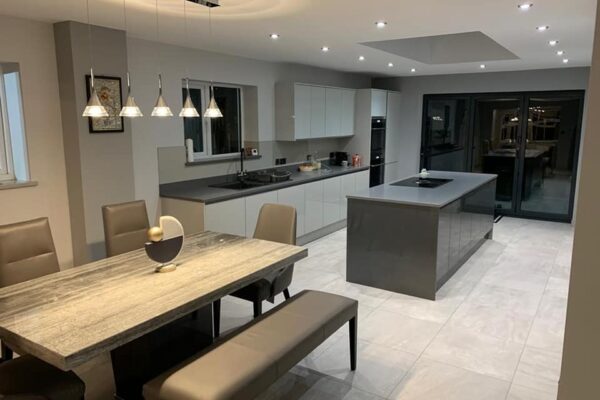
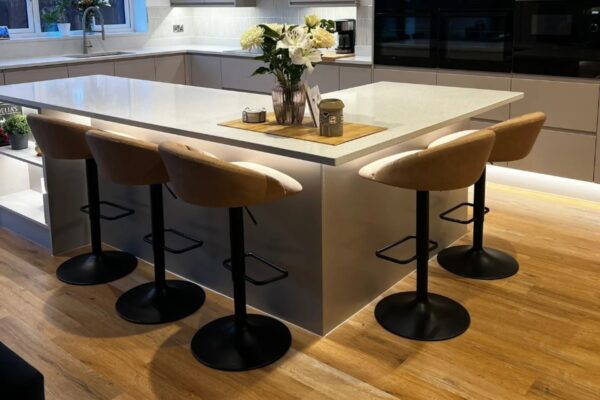
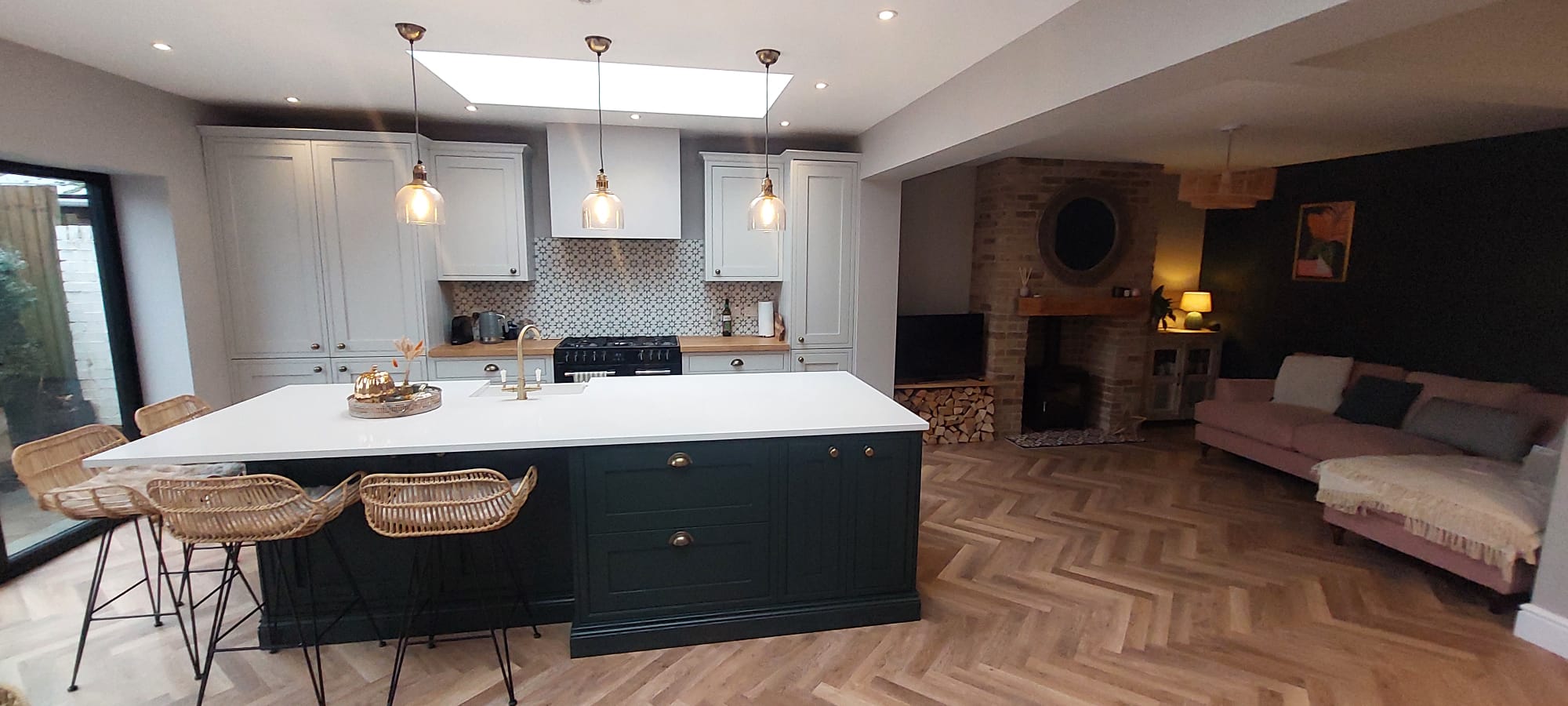
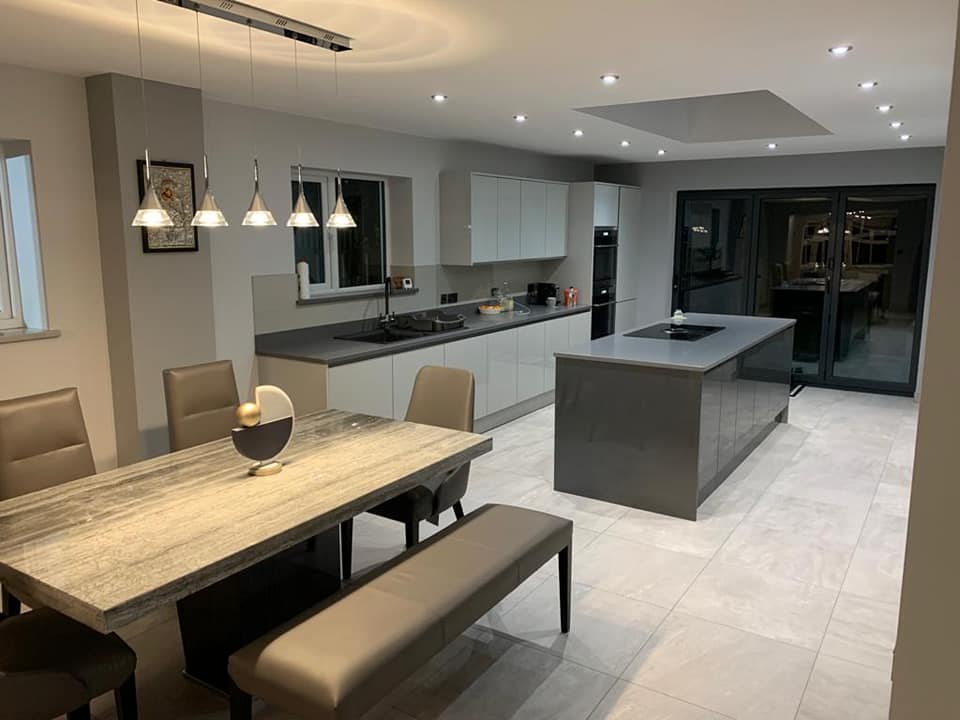
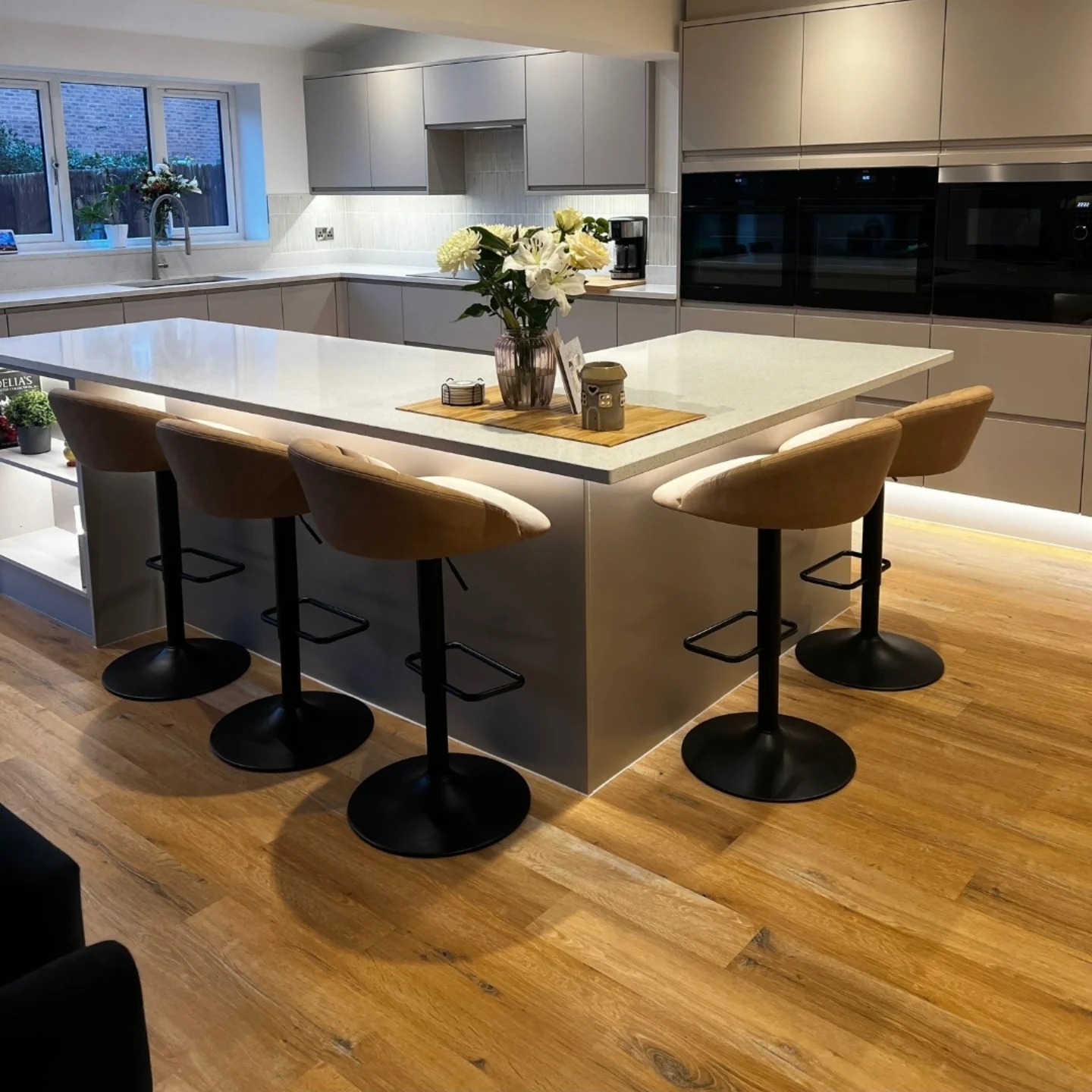
To truly “blur the lines,” I often suggest using similar materials. If you have a grey porcelain tile in your kitchen, we can find an “outdoor grade” version of that same tile for the patio. When you look through the glass, your eye doesn’t see a “break” in the floor, which instantly makes your kitchen feel twice as long.
Year-Round Usability
A patio is great for two weeks in July, but what about October? I’m seeing a huge rise in “permanent” outdoor structures—built-in seating with integrated fire pits, or timber pergolas with louvred roofs. By adding exterior power points for heaters and lighting at the build stage, we can turn a simple garden into a space you’ll actually use for nine months of the year.