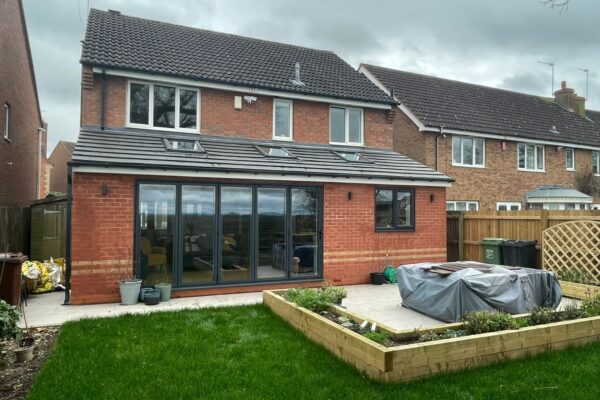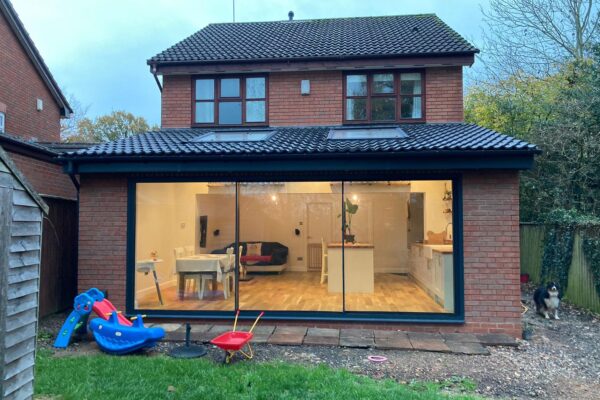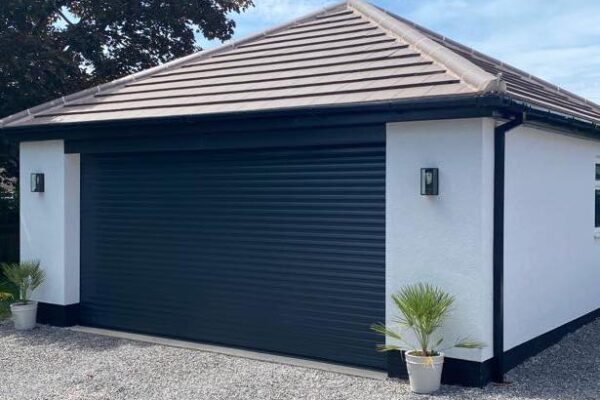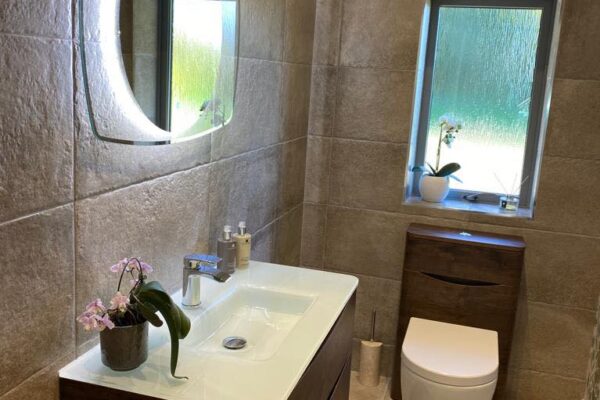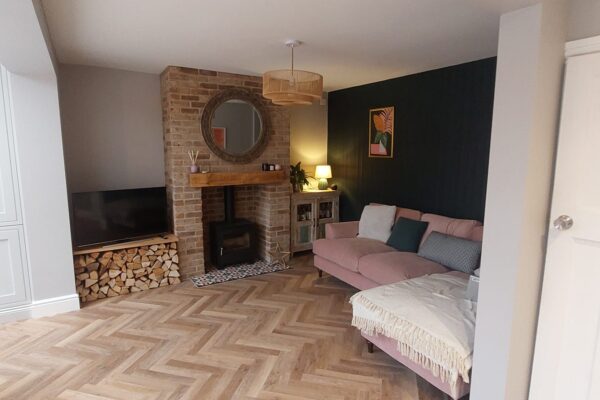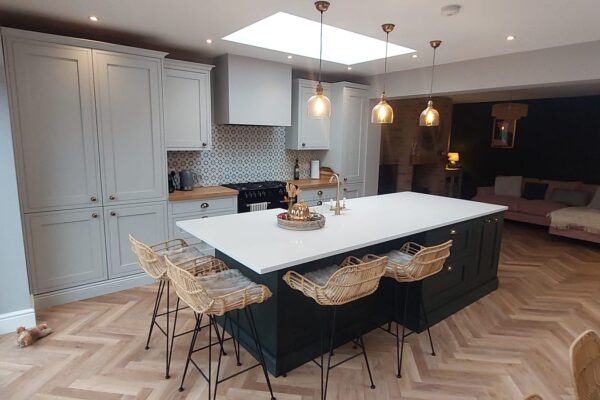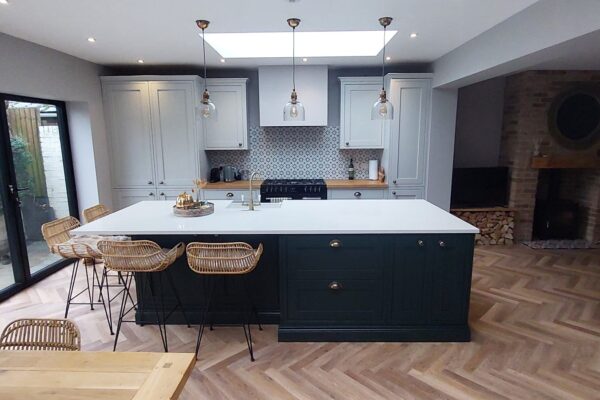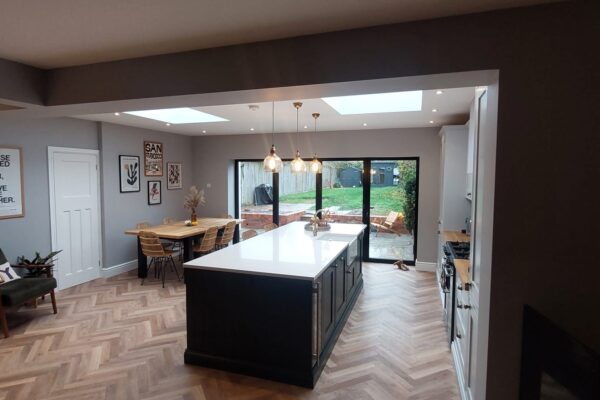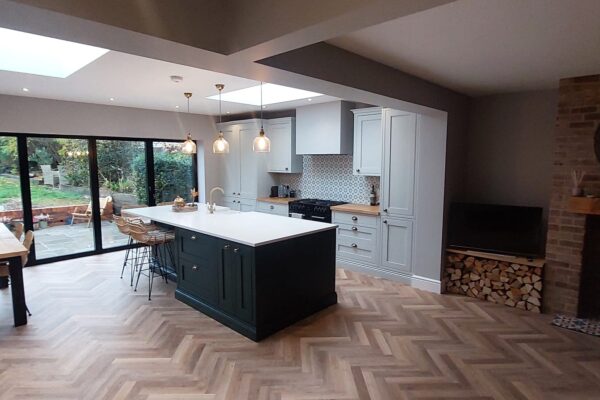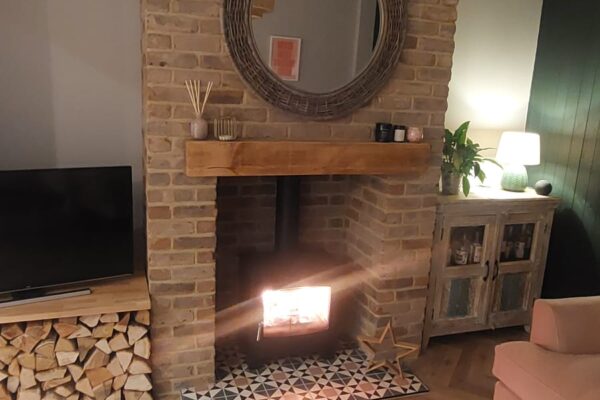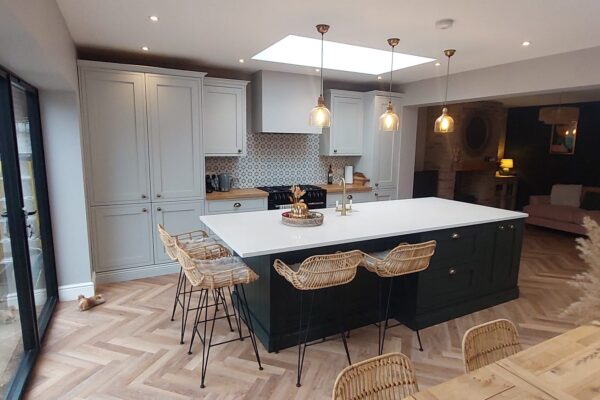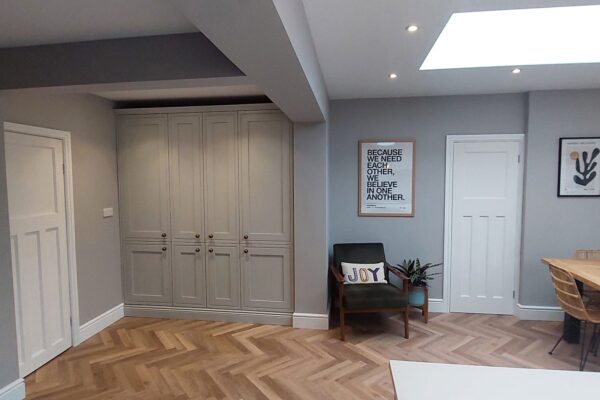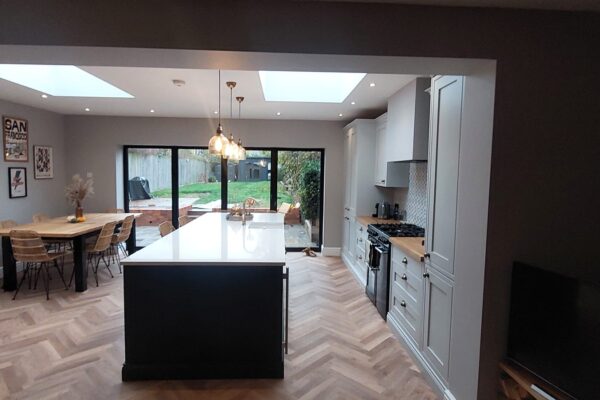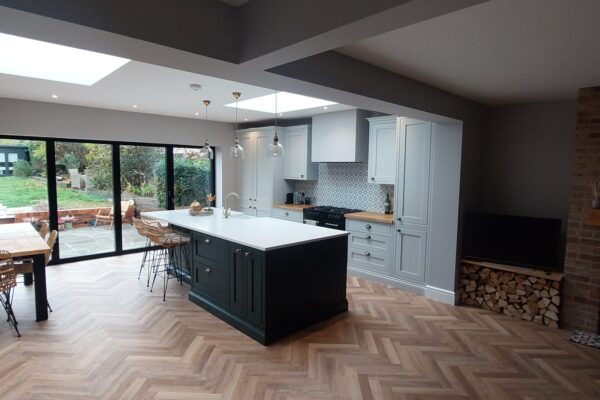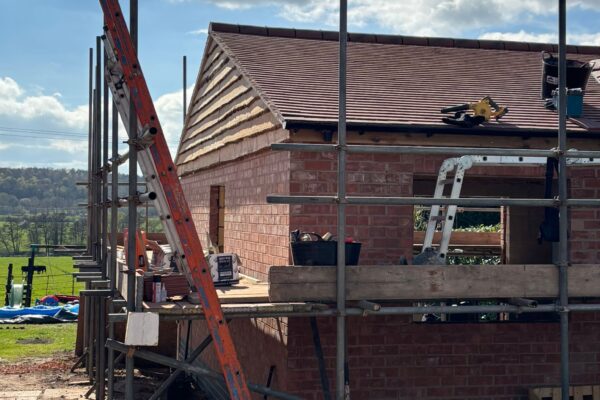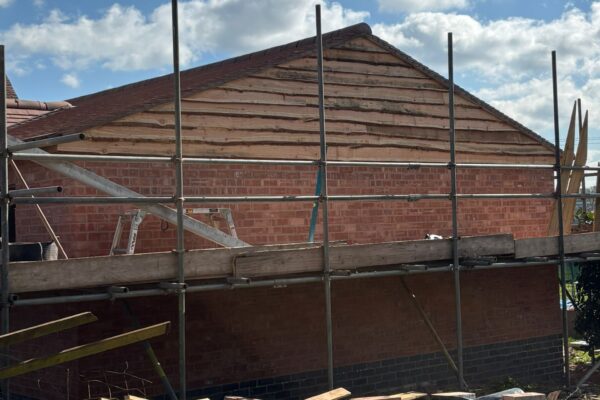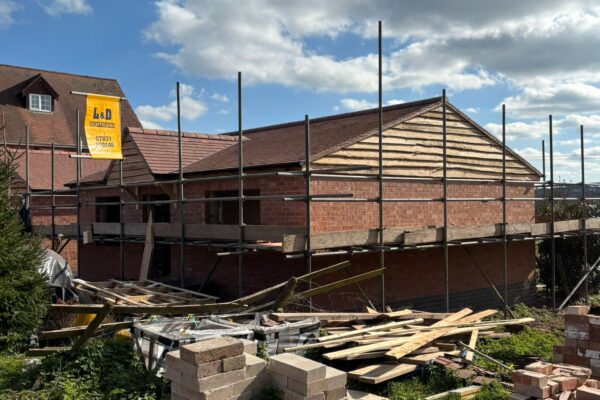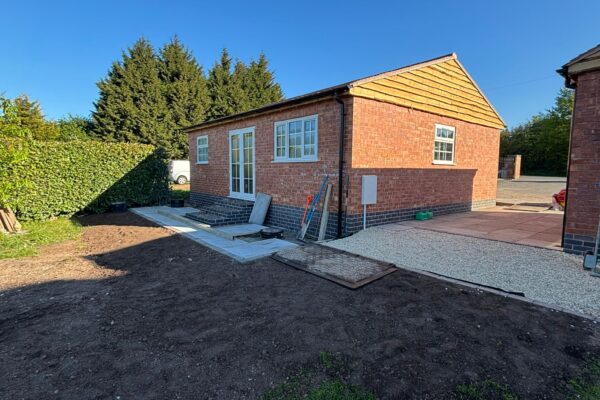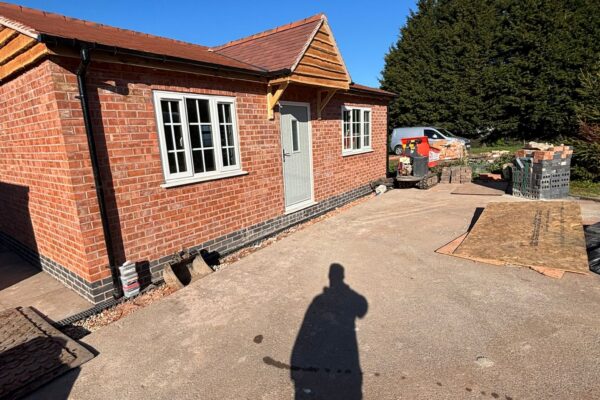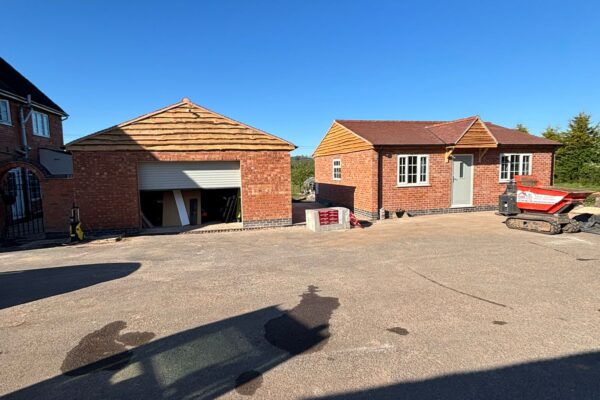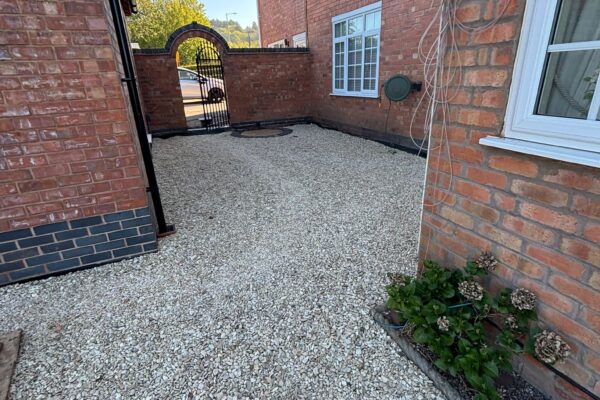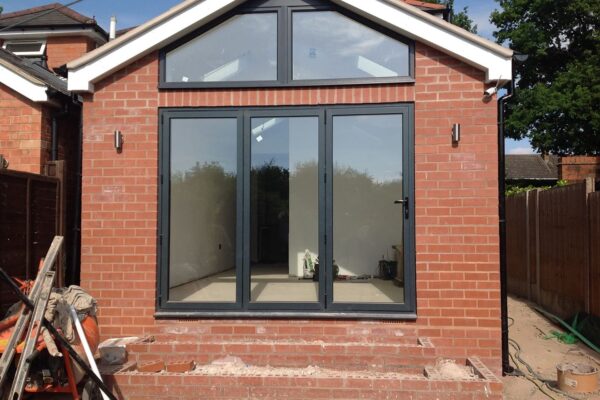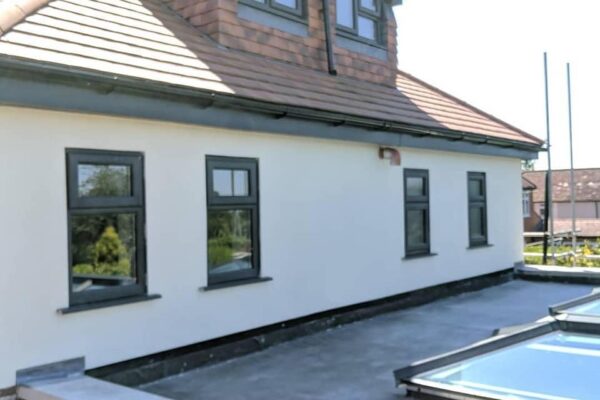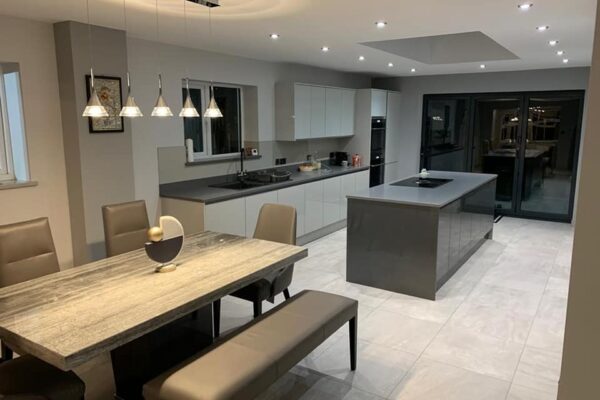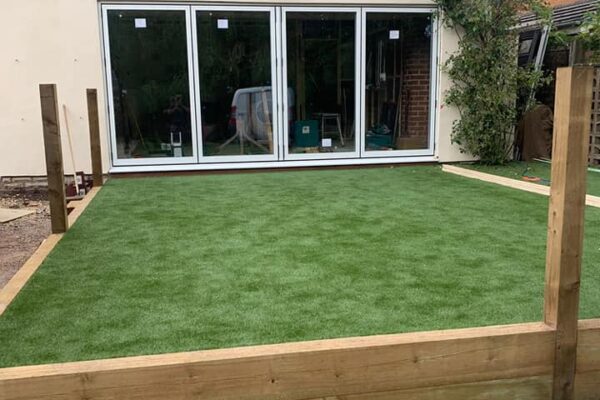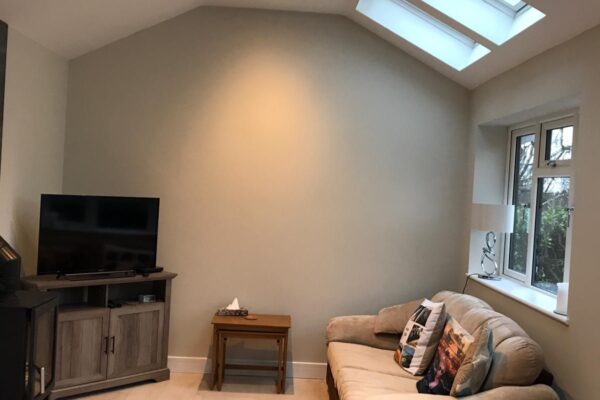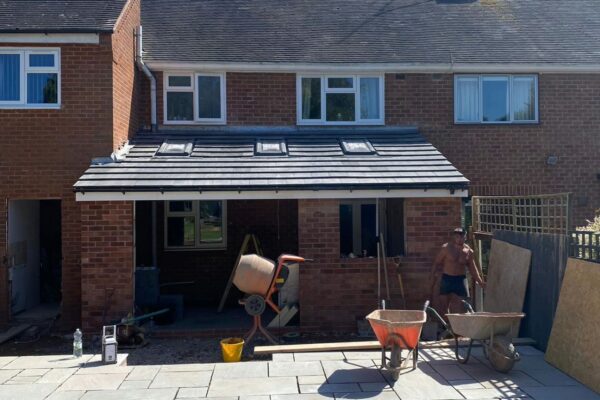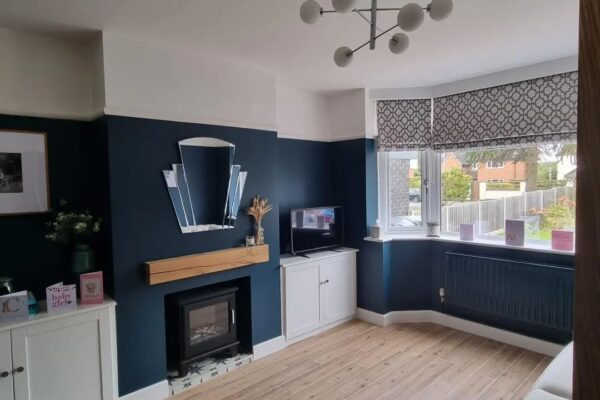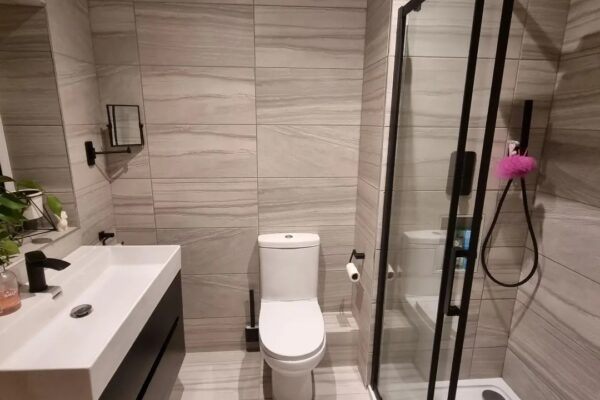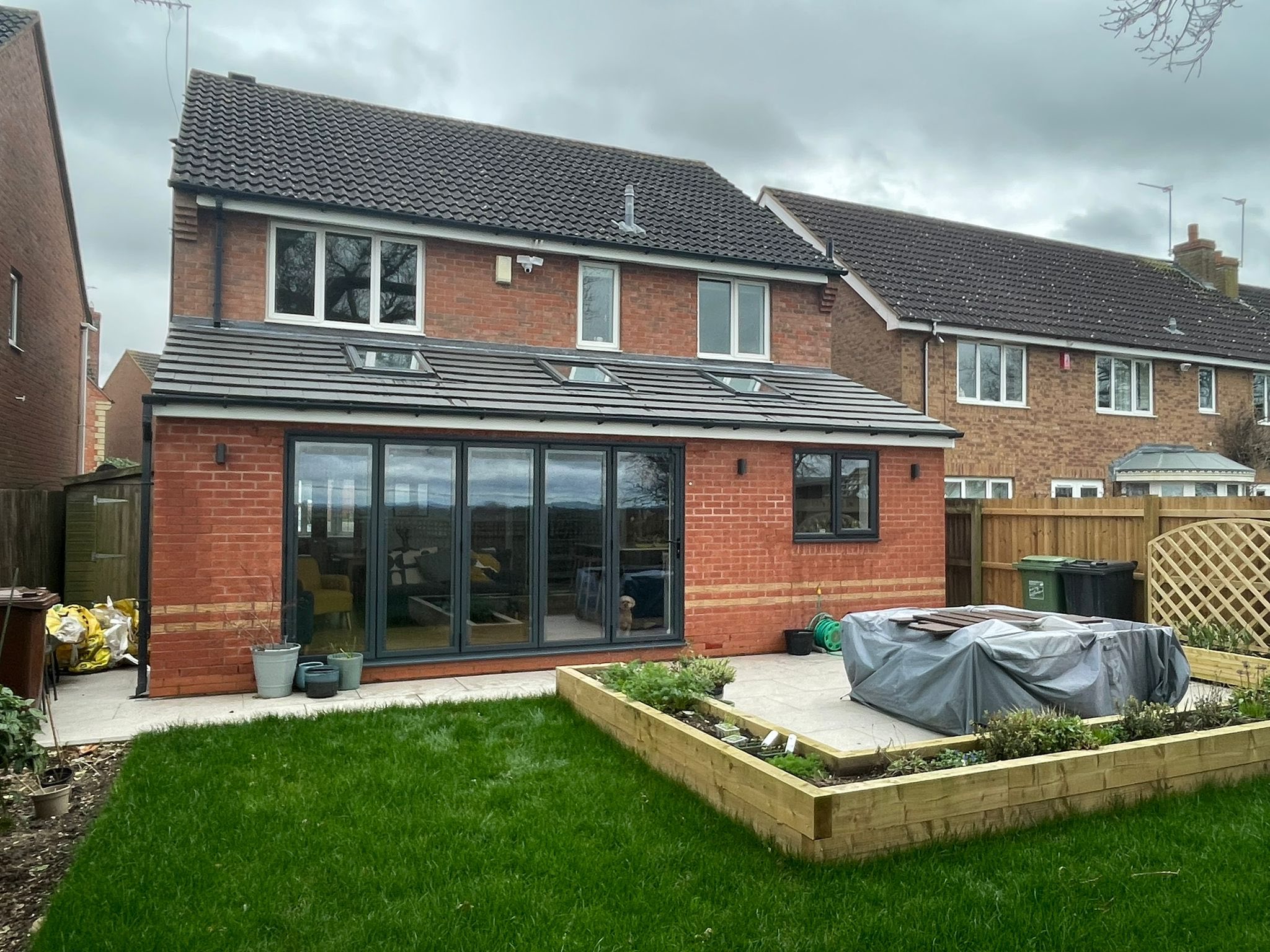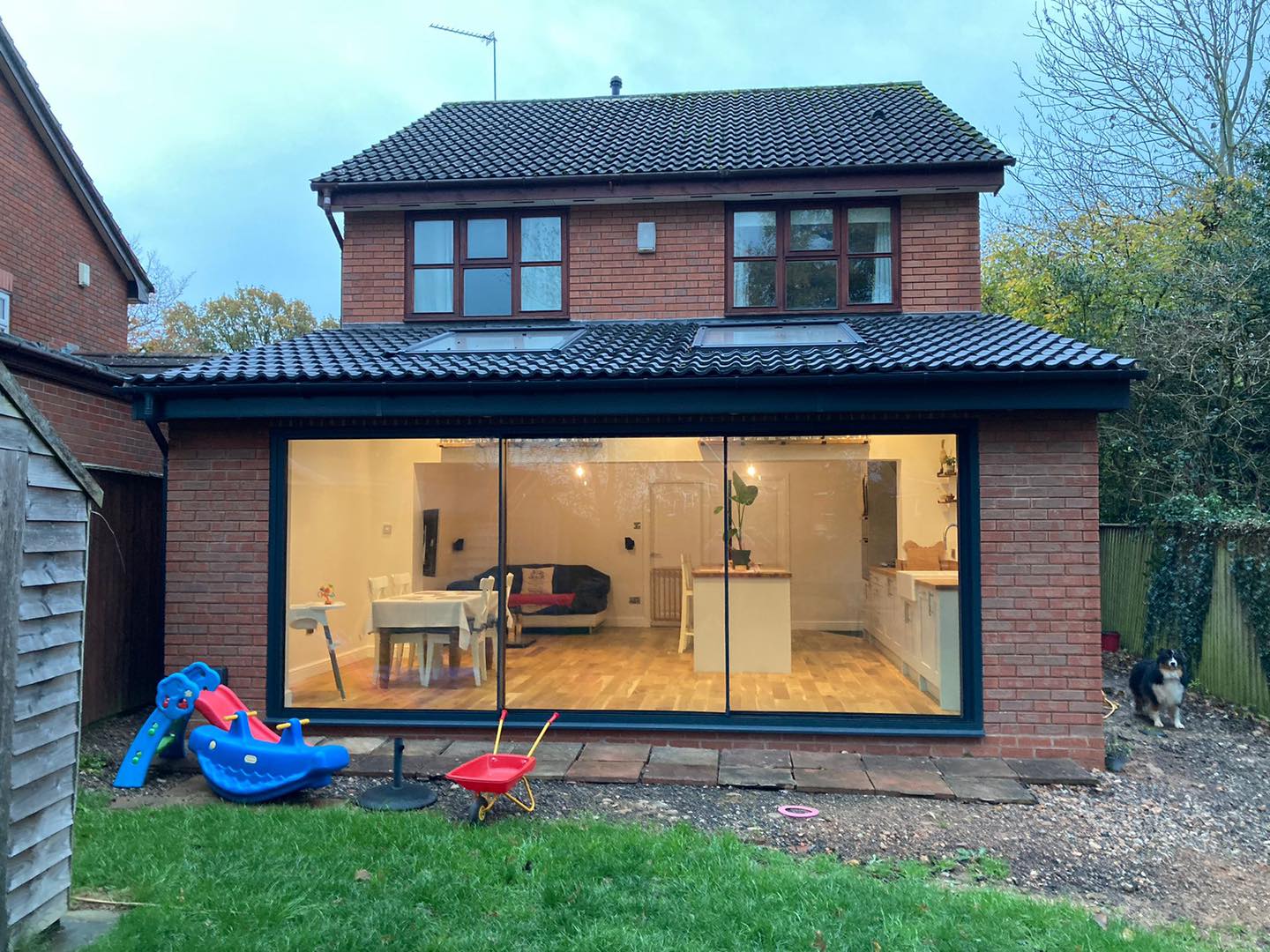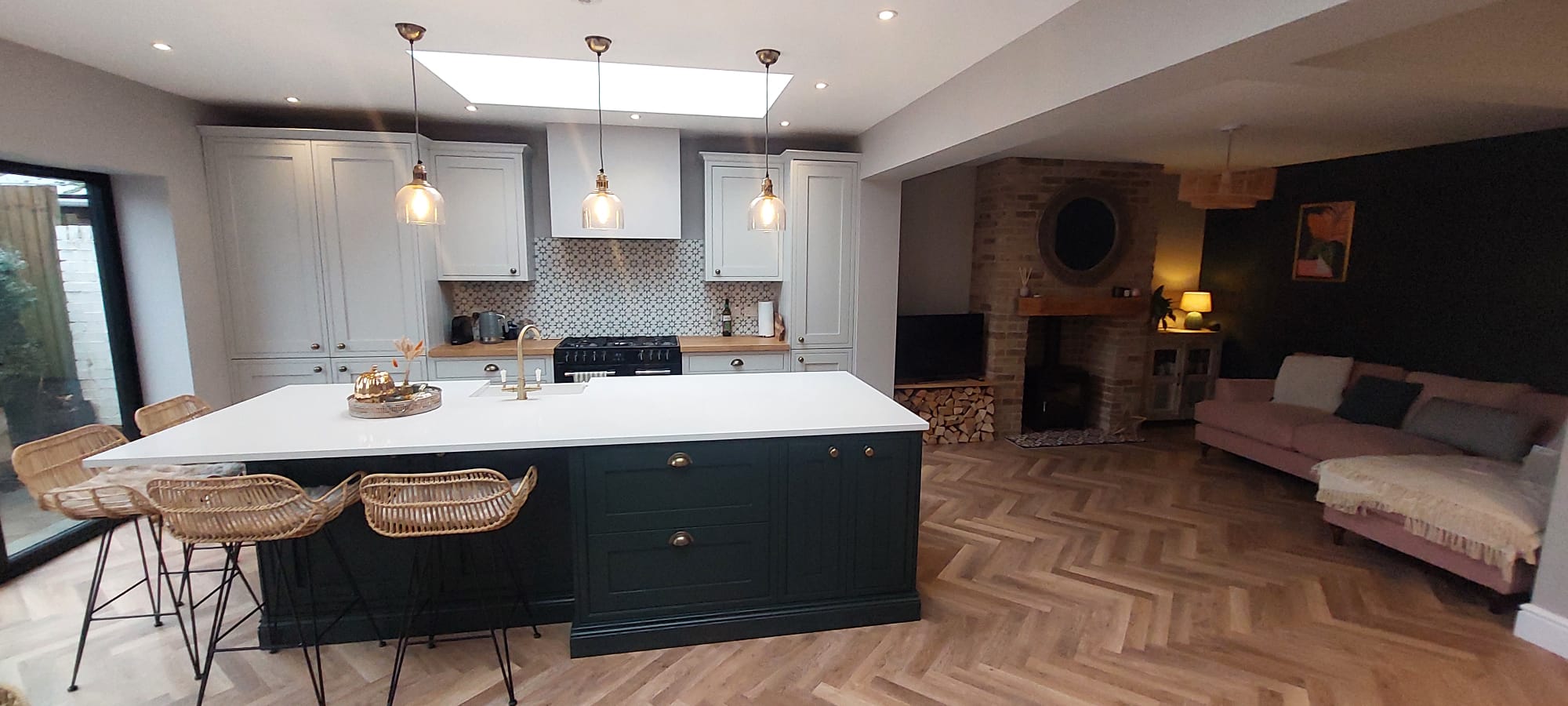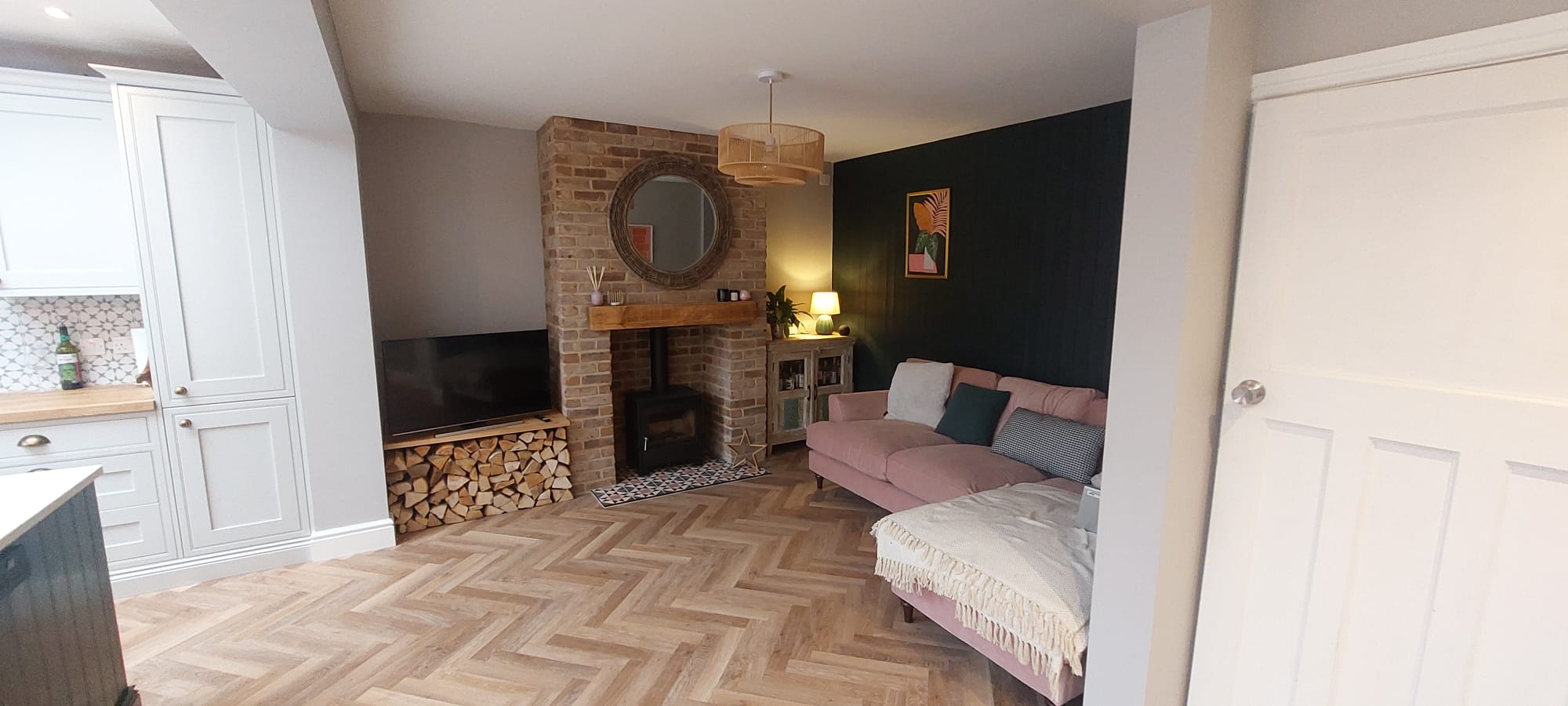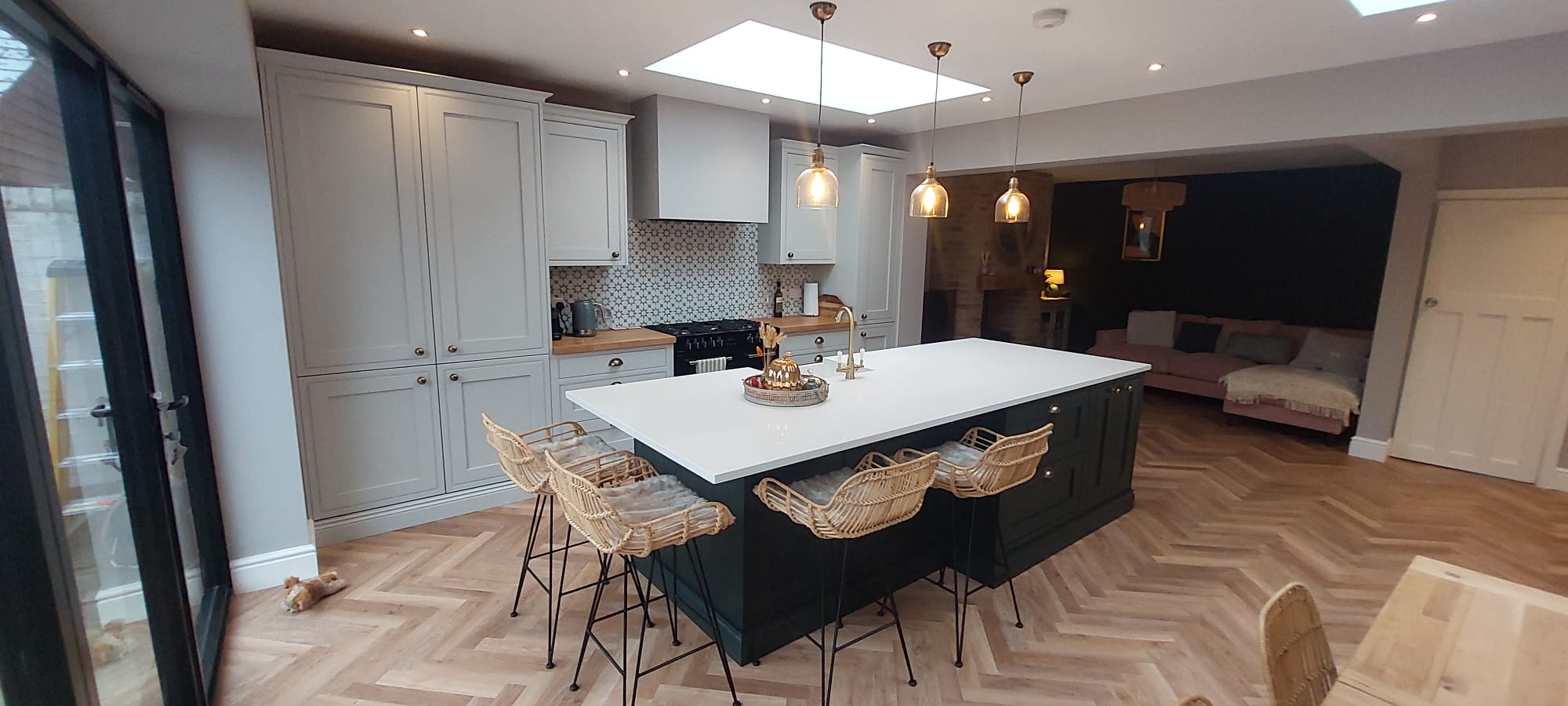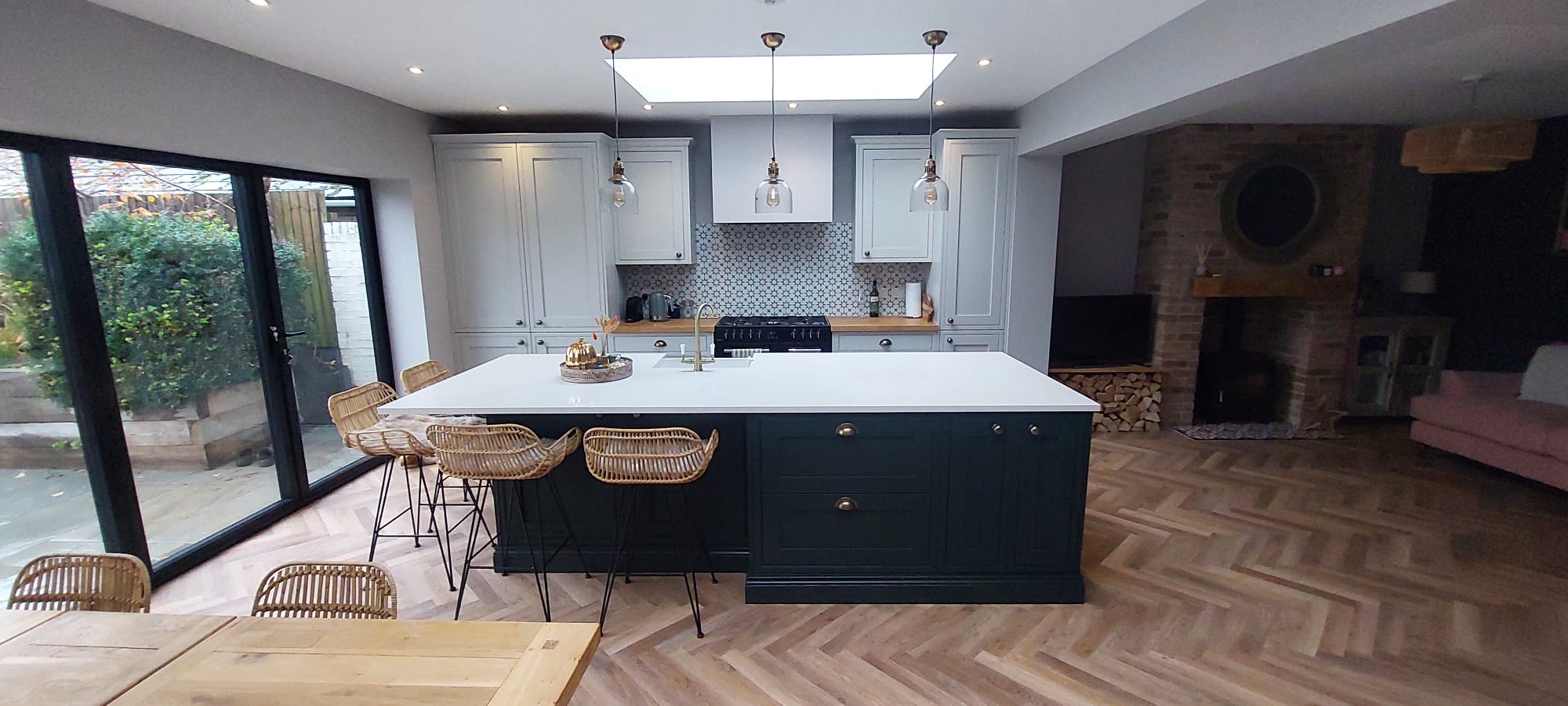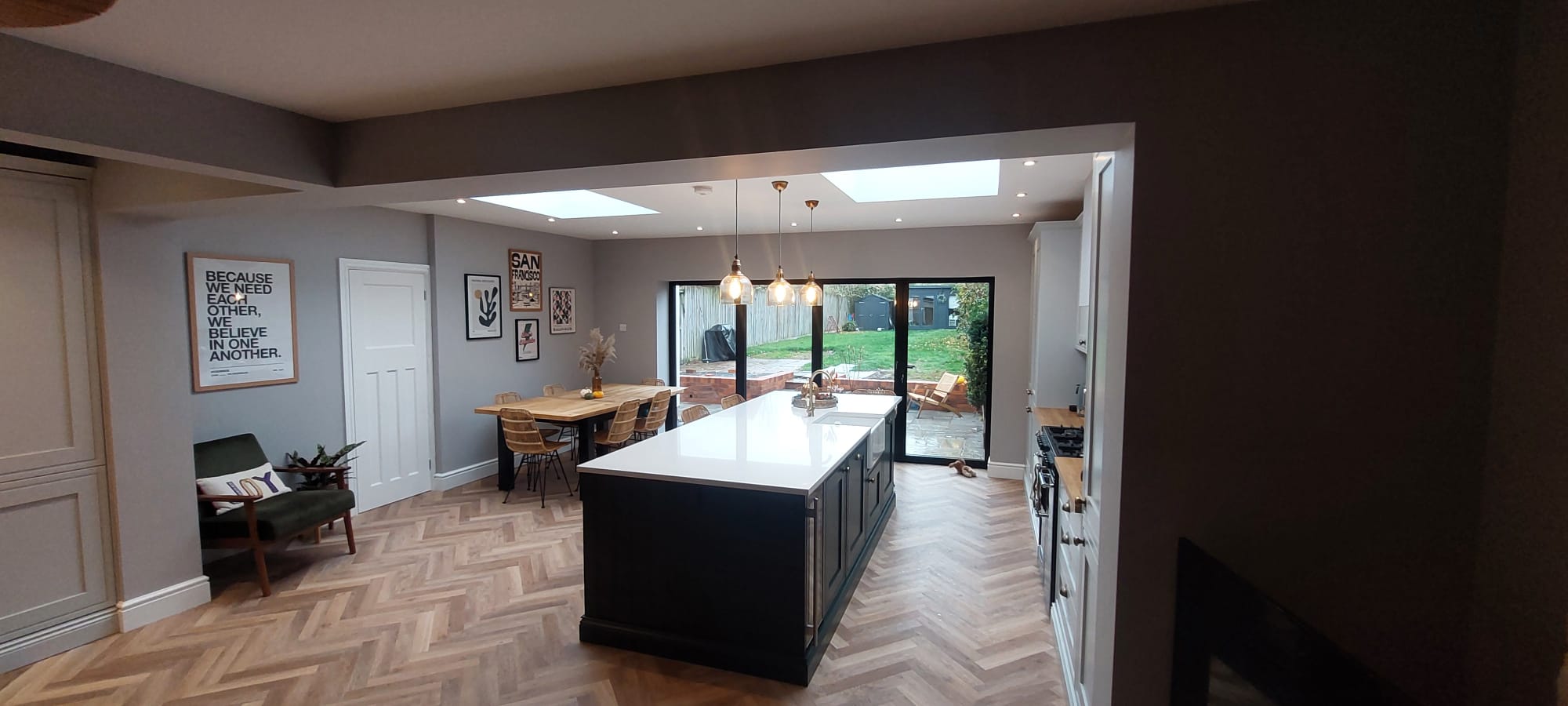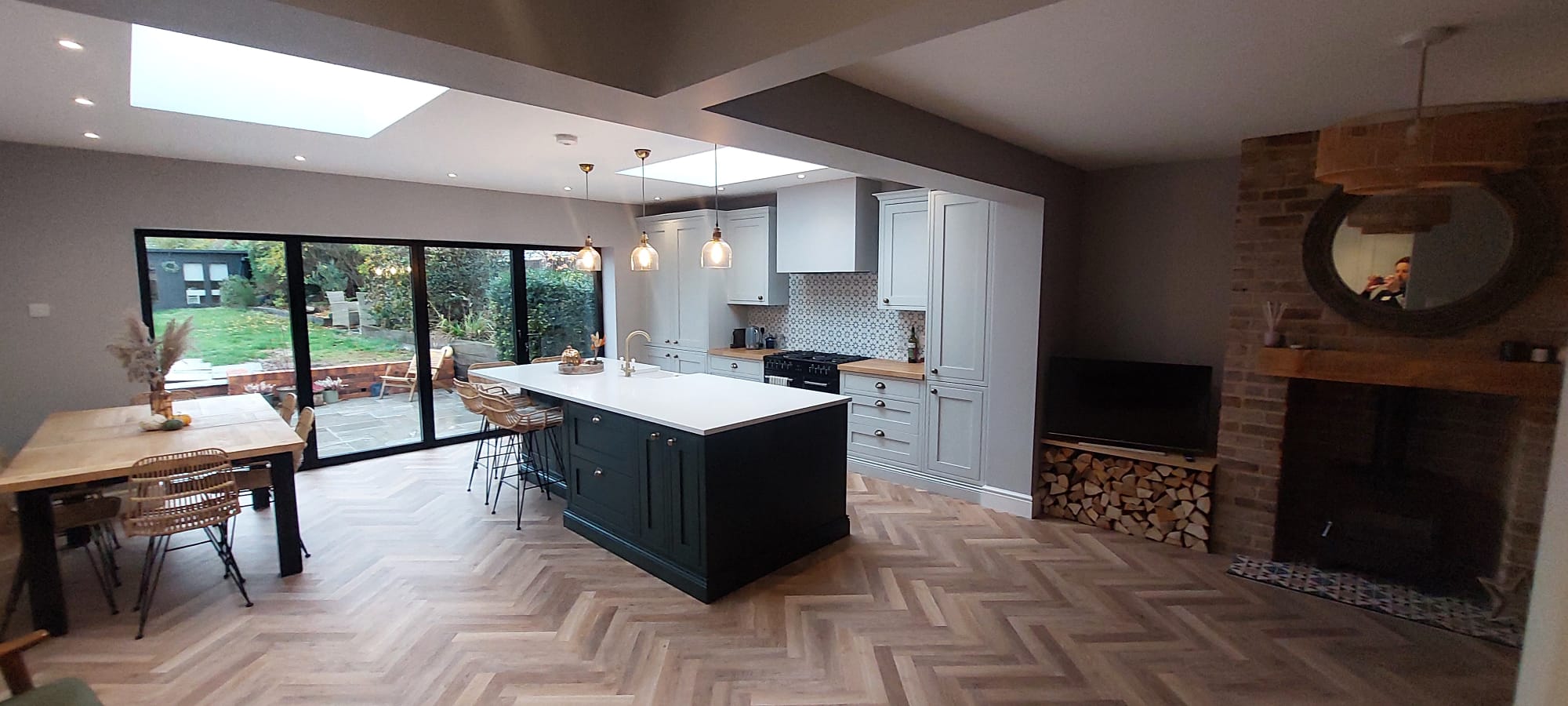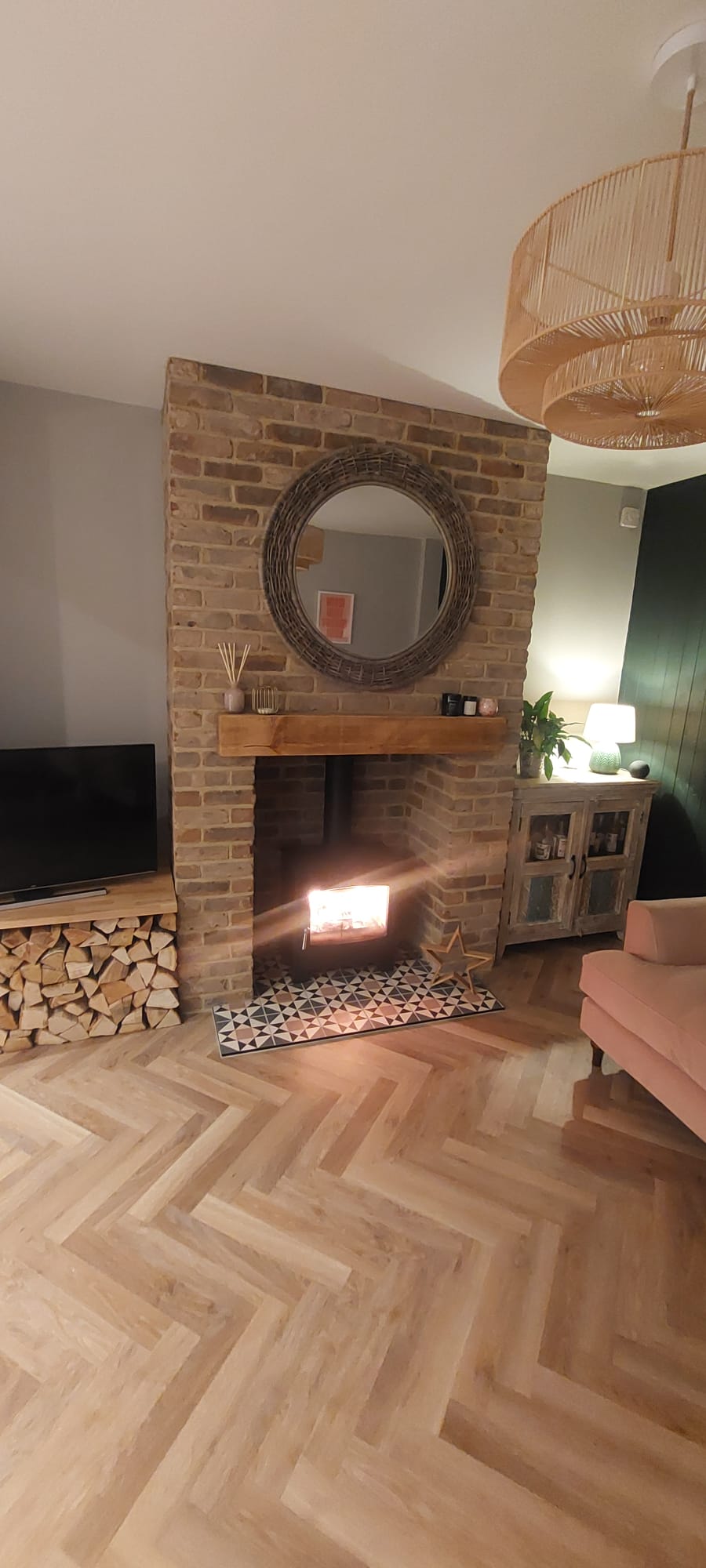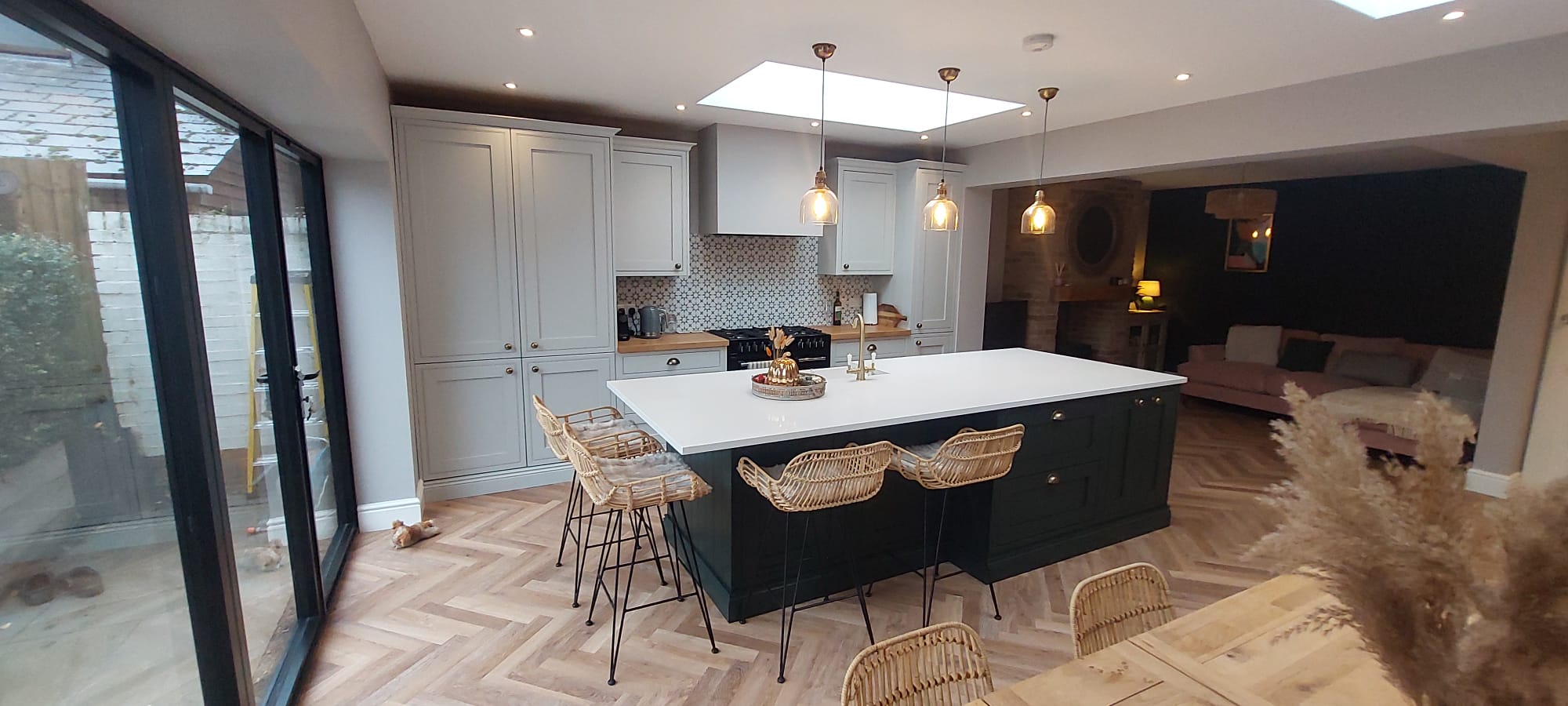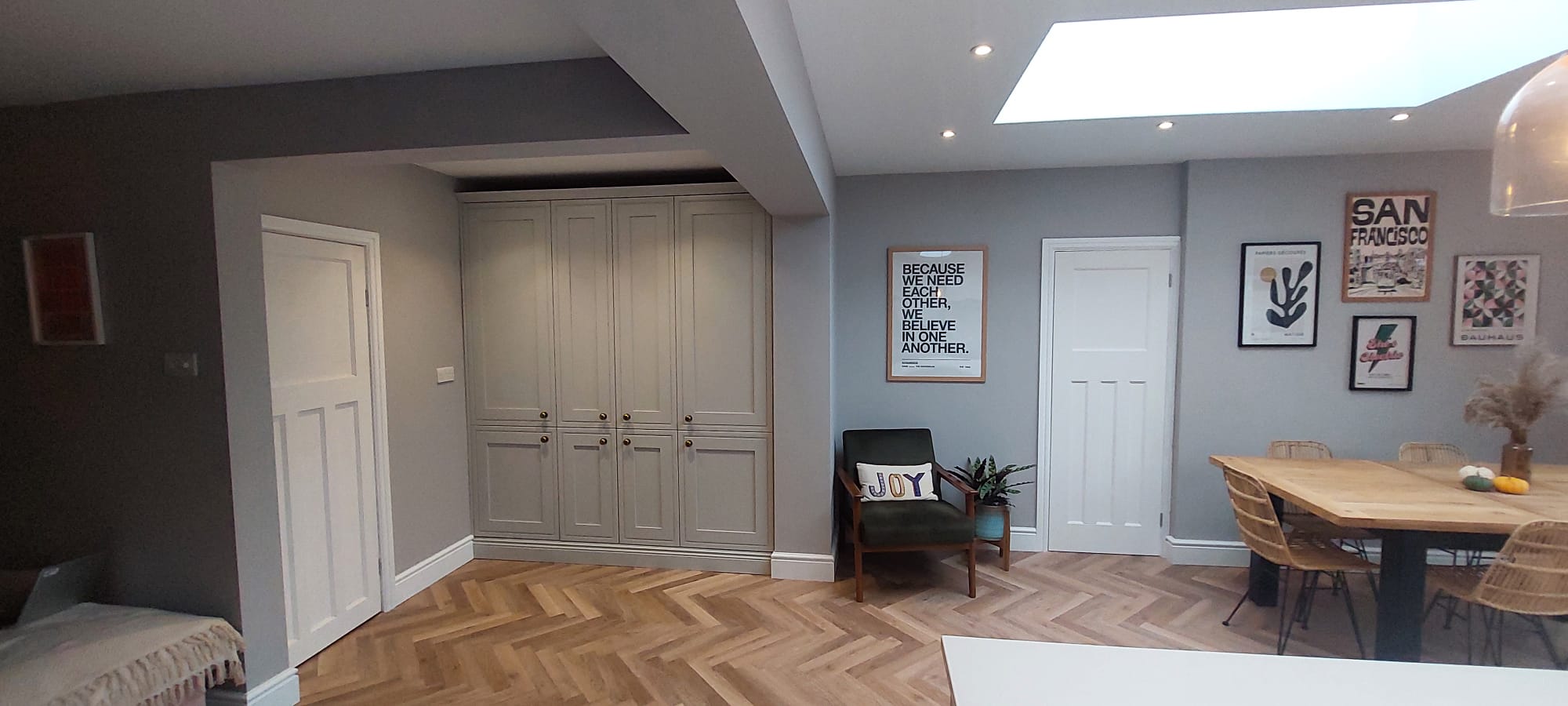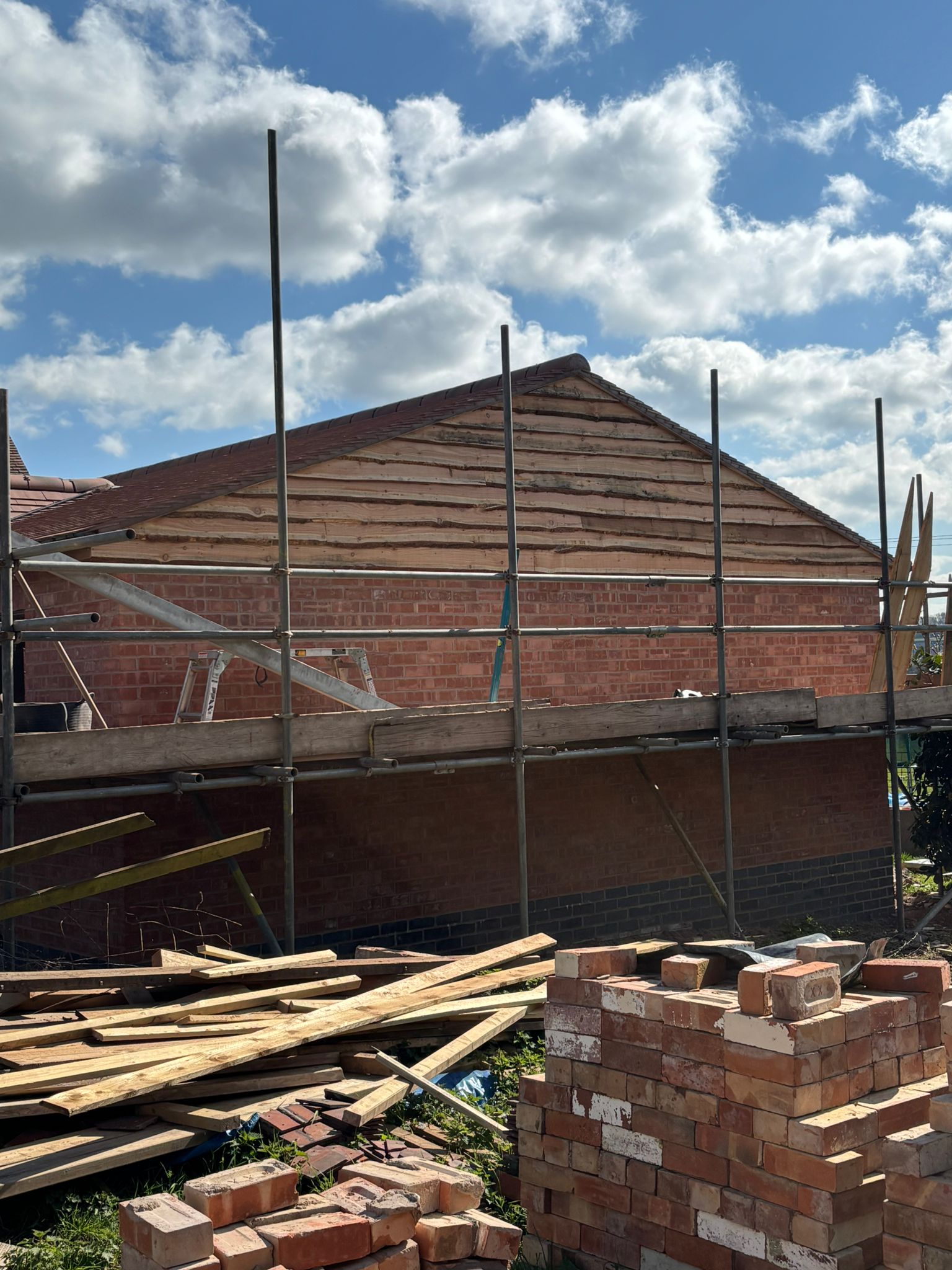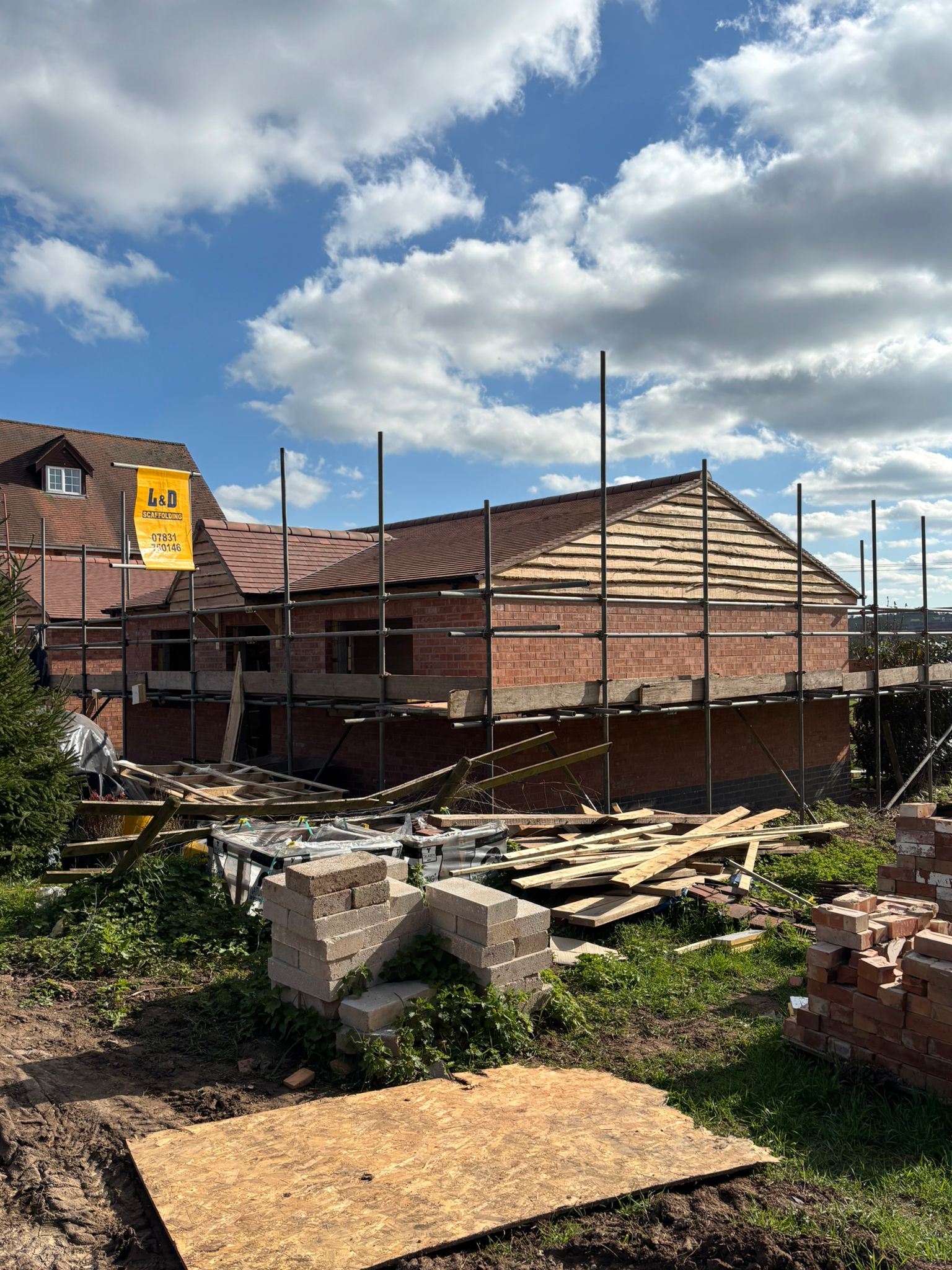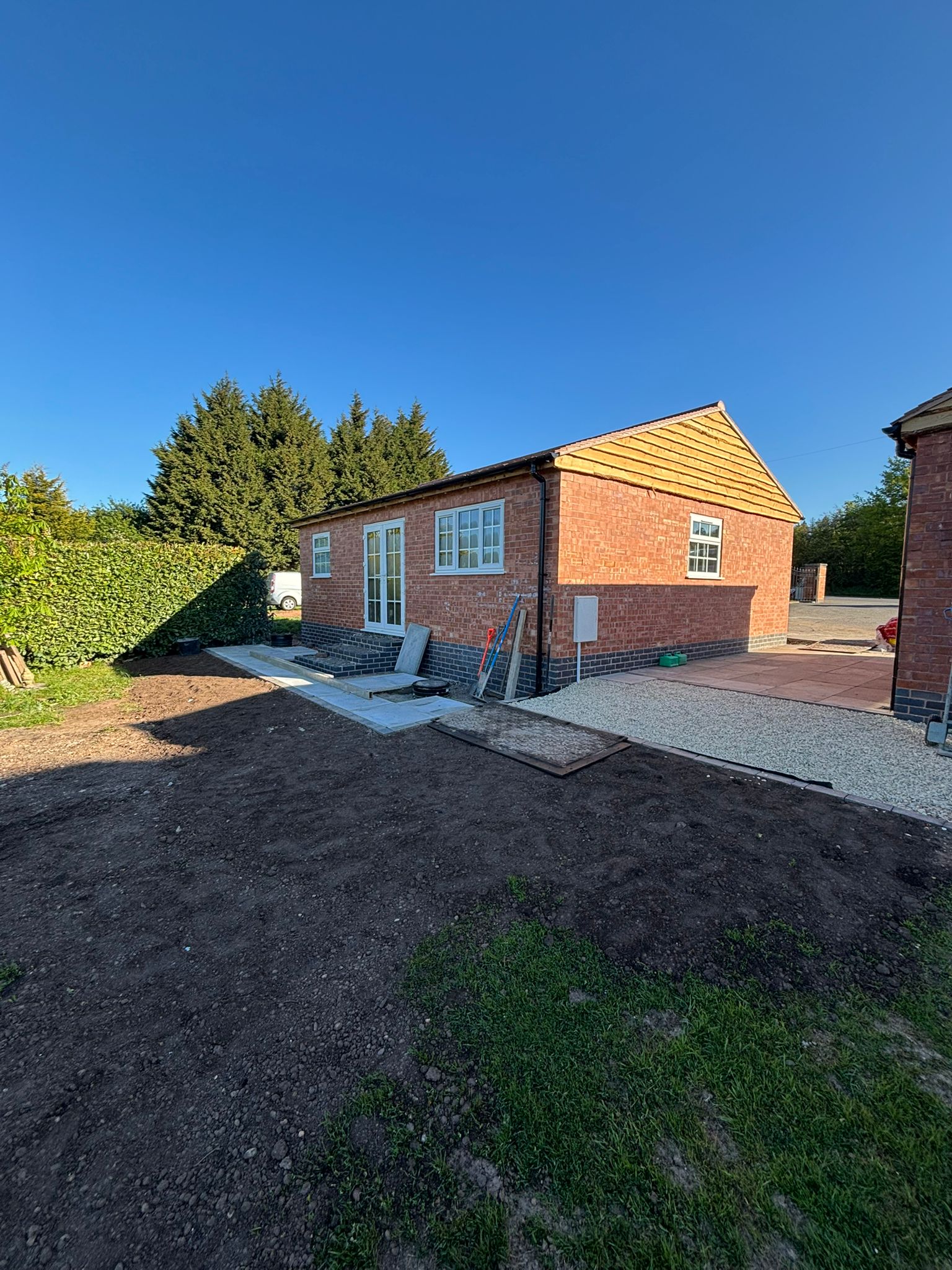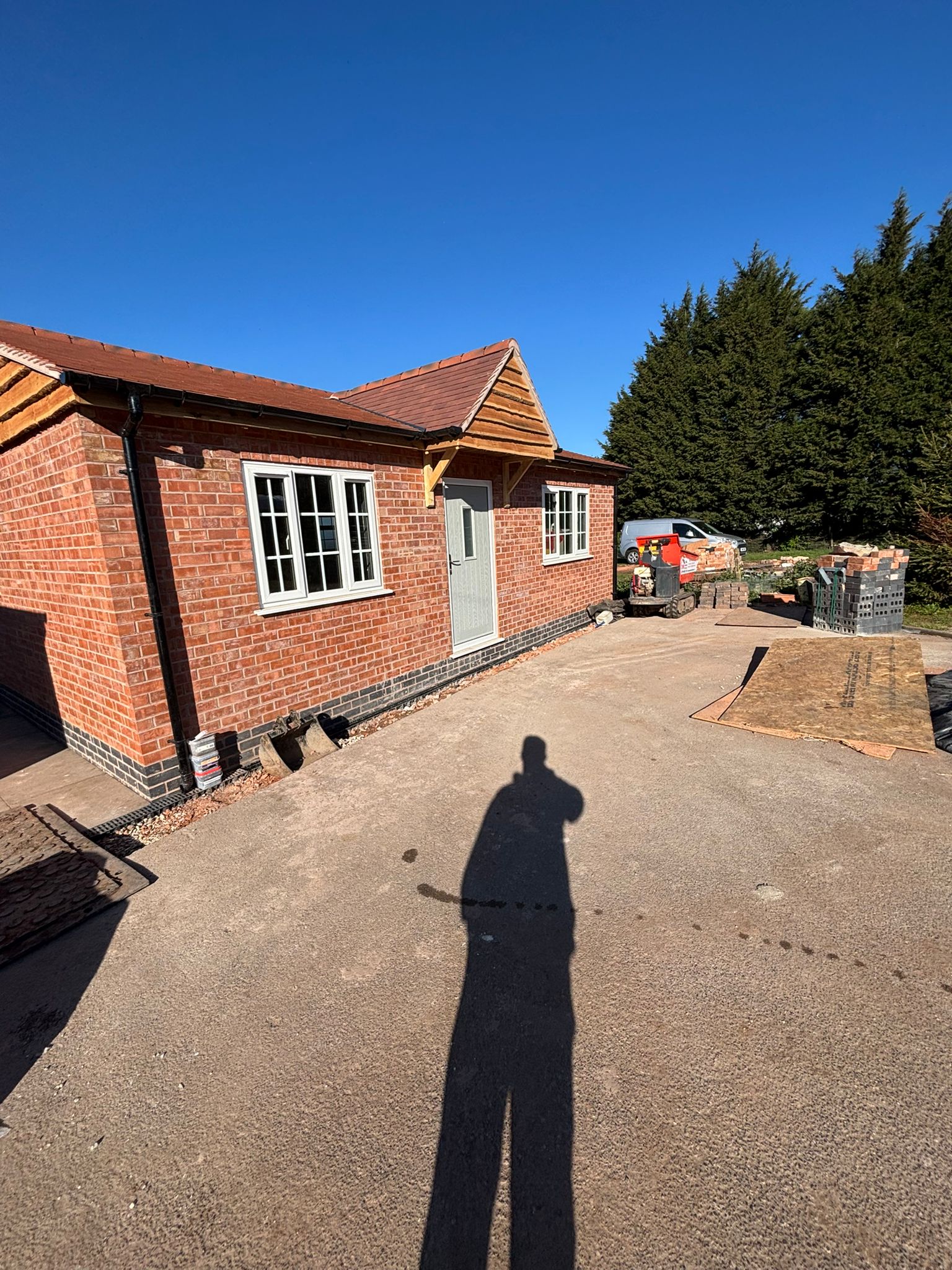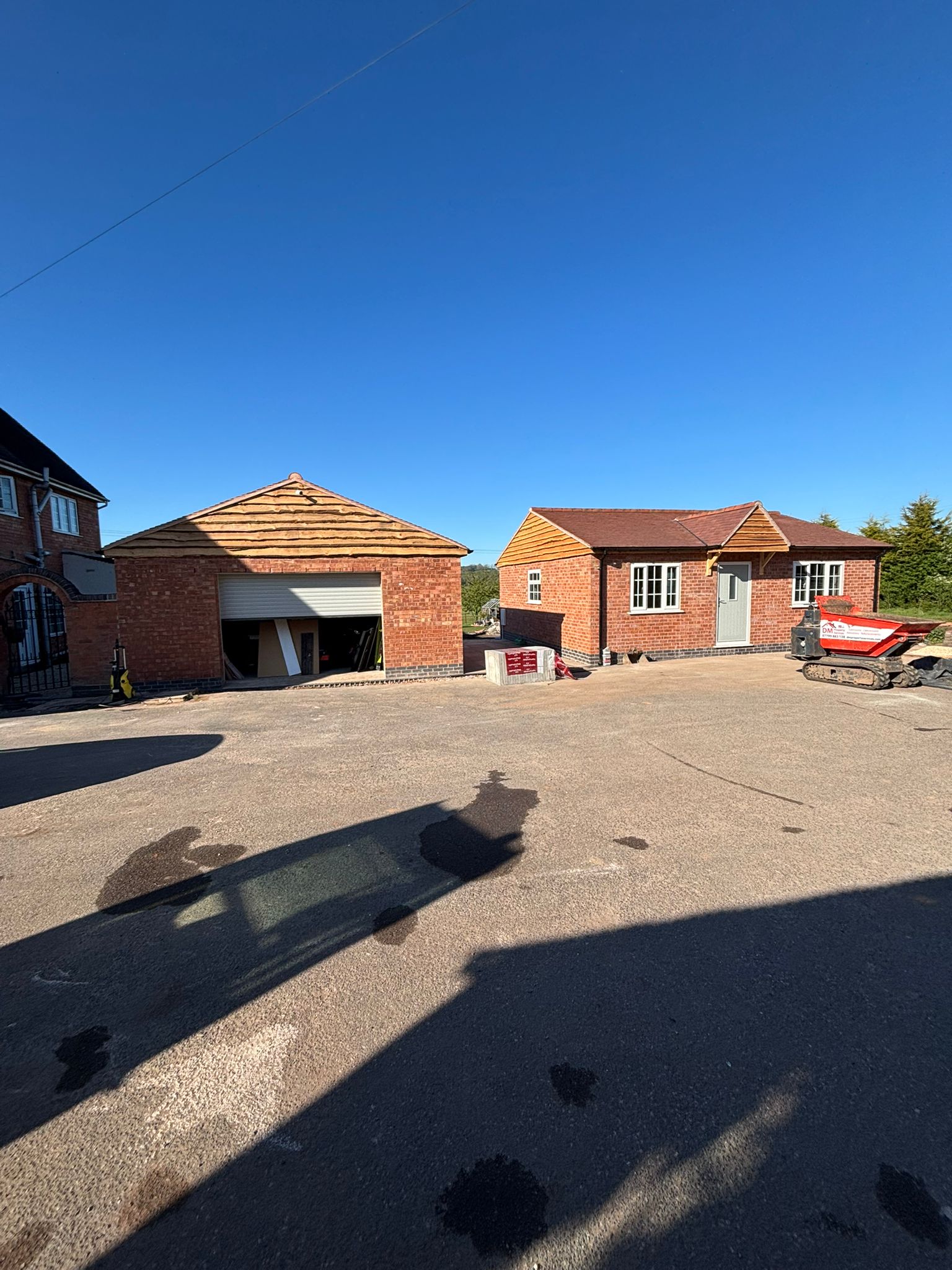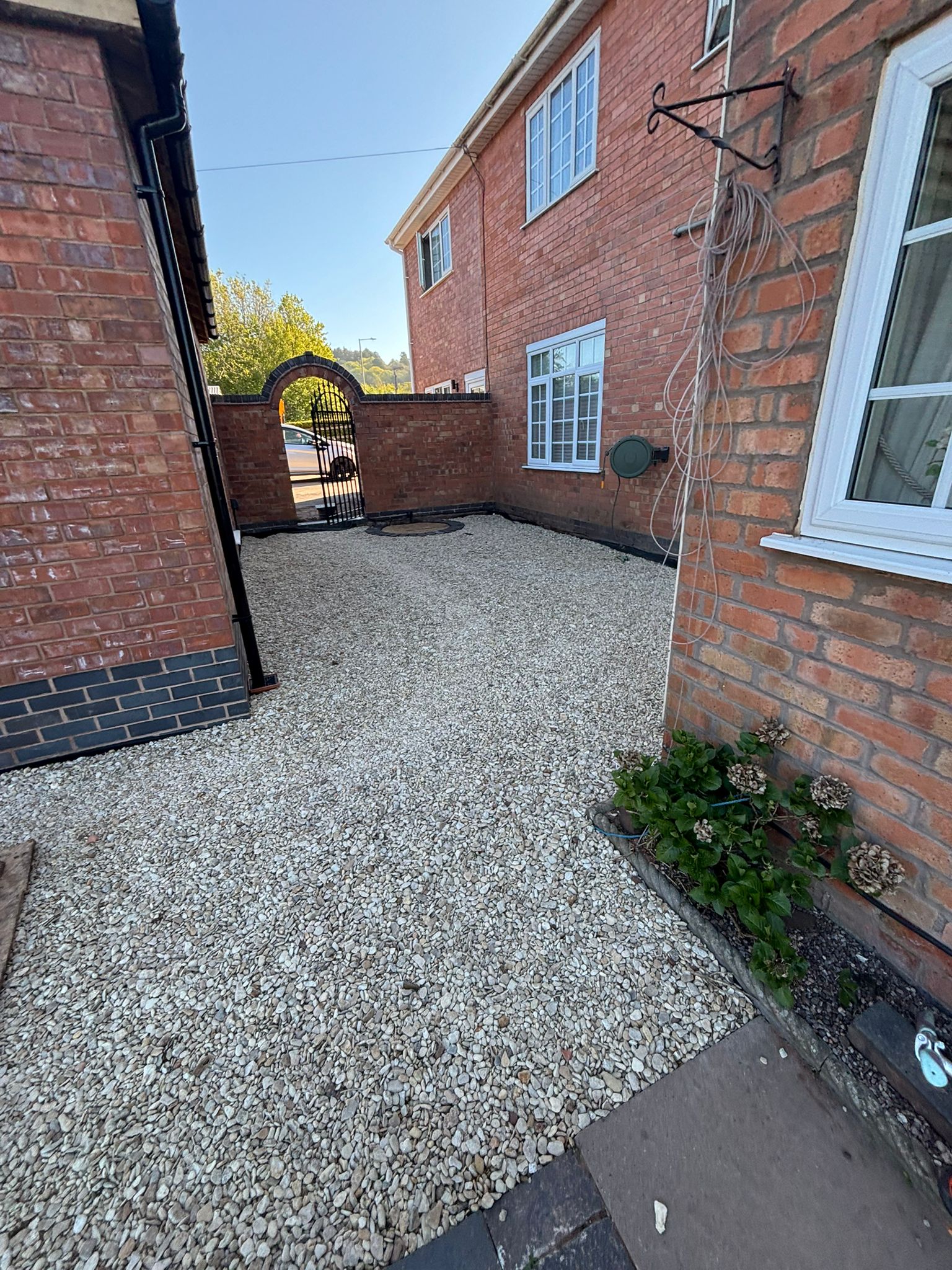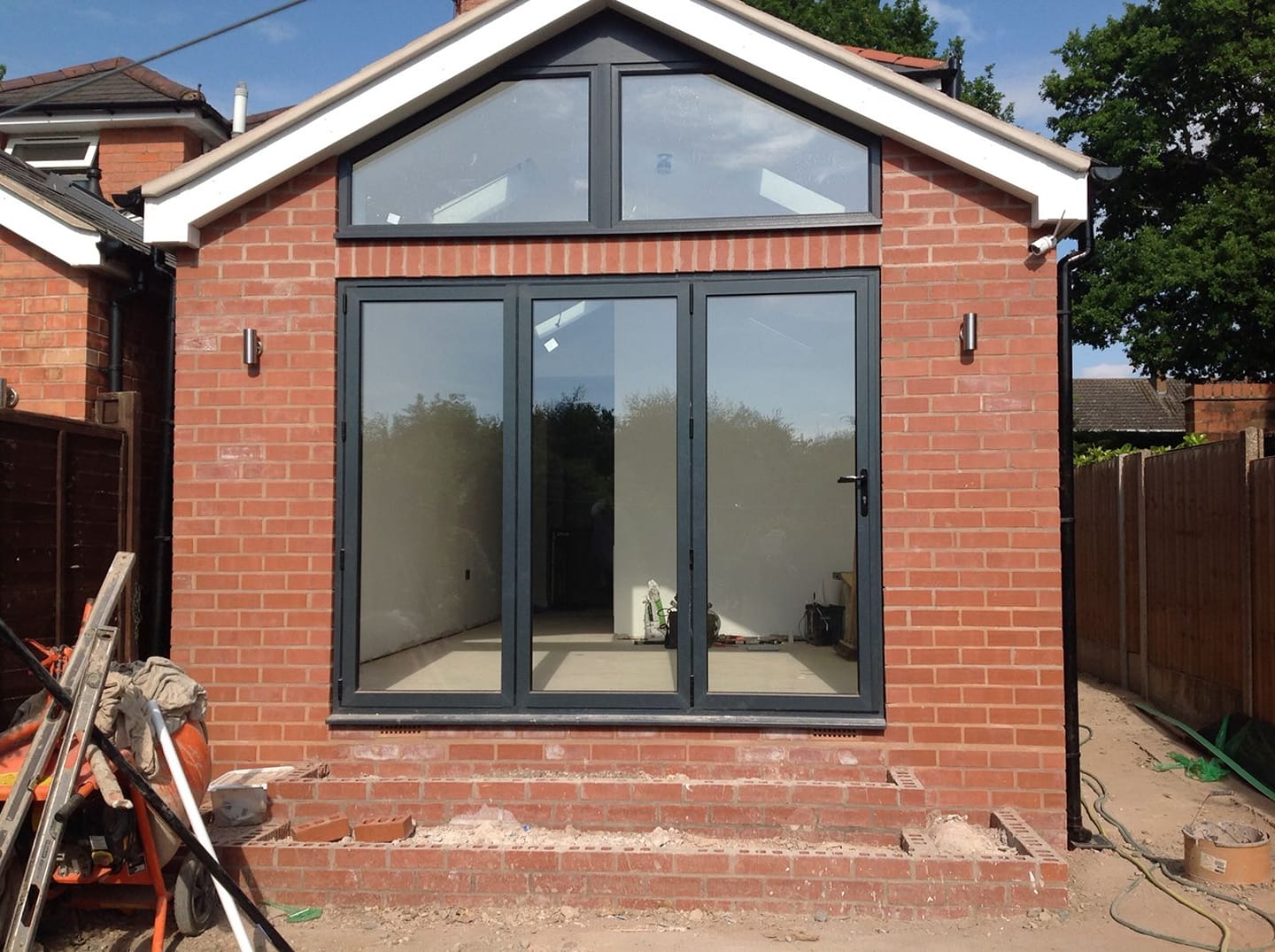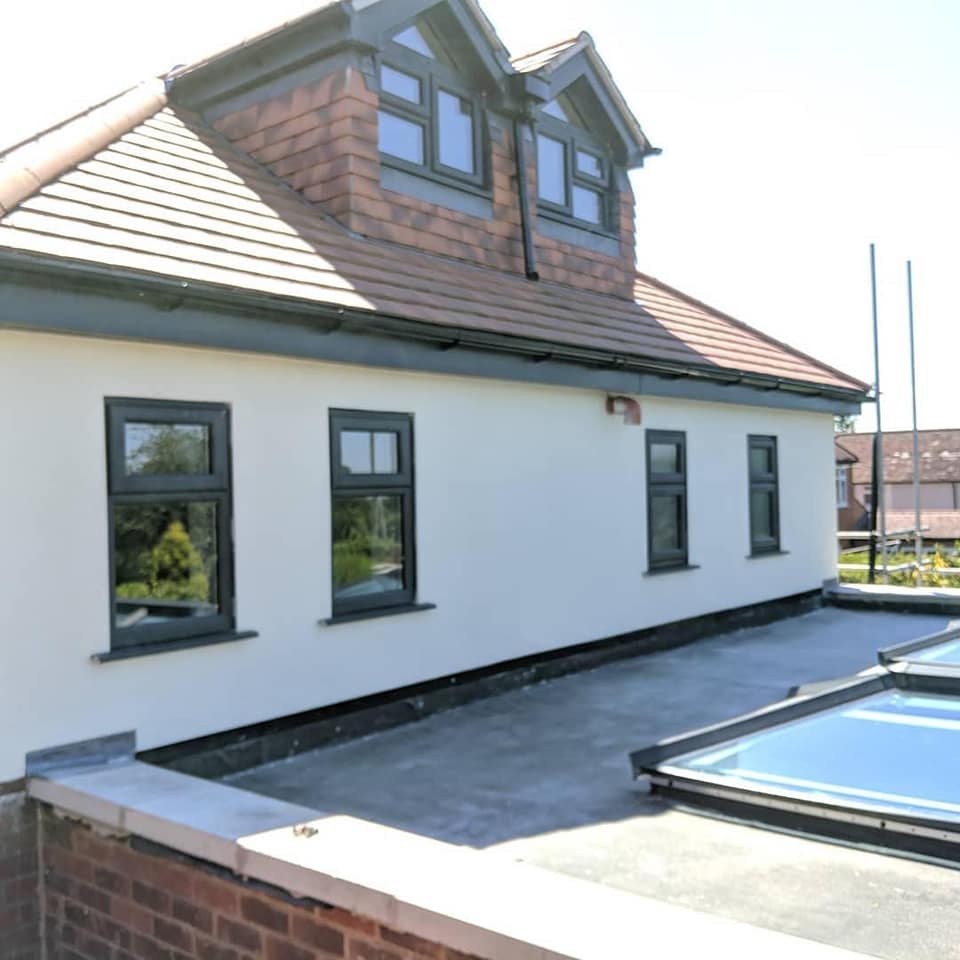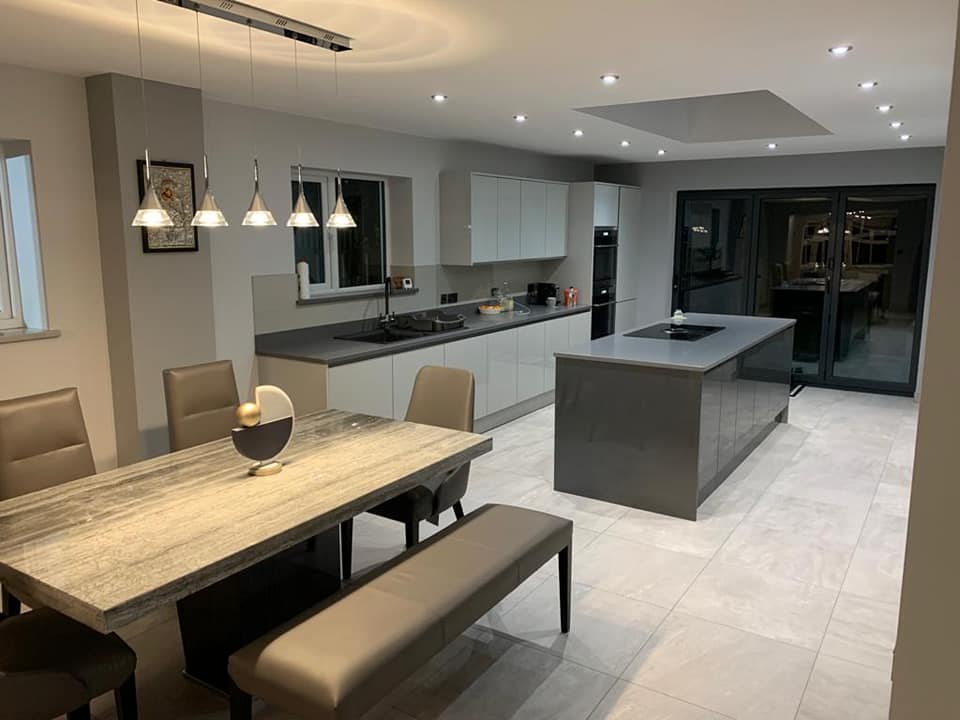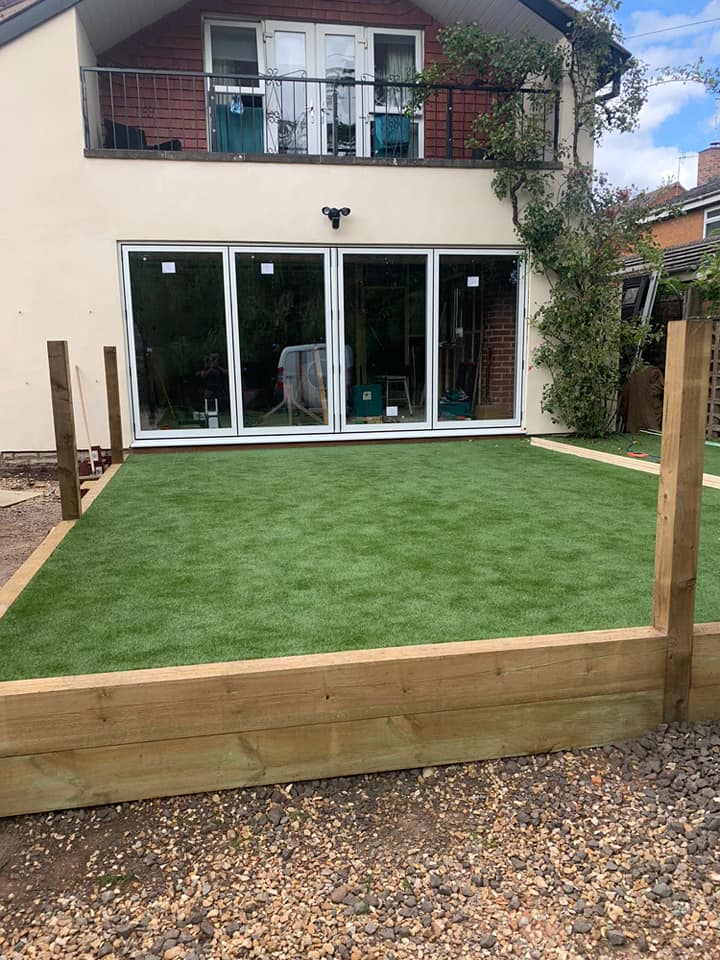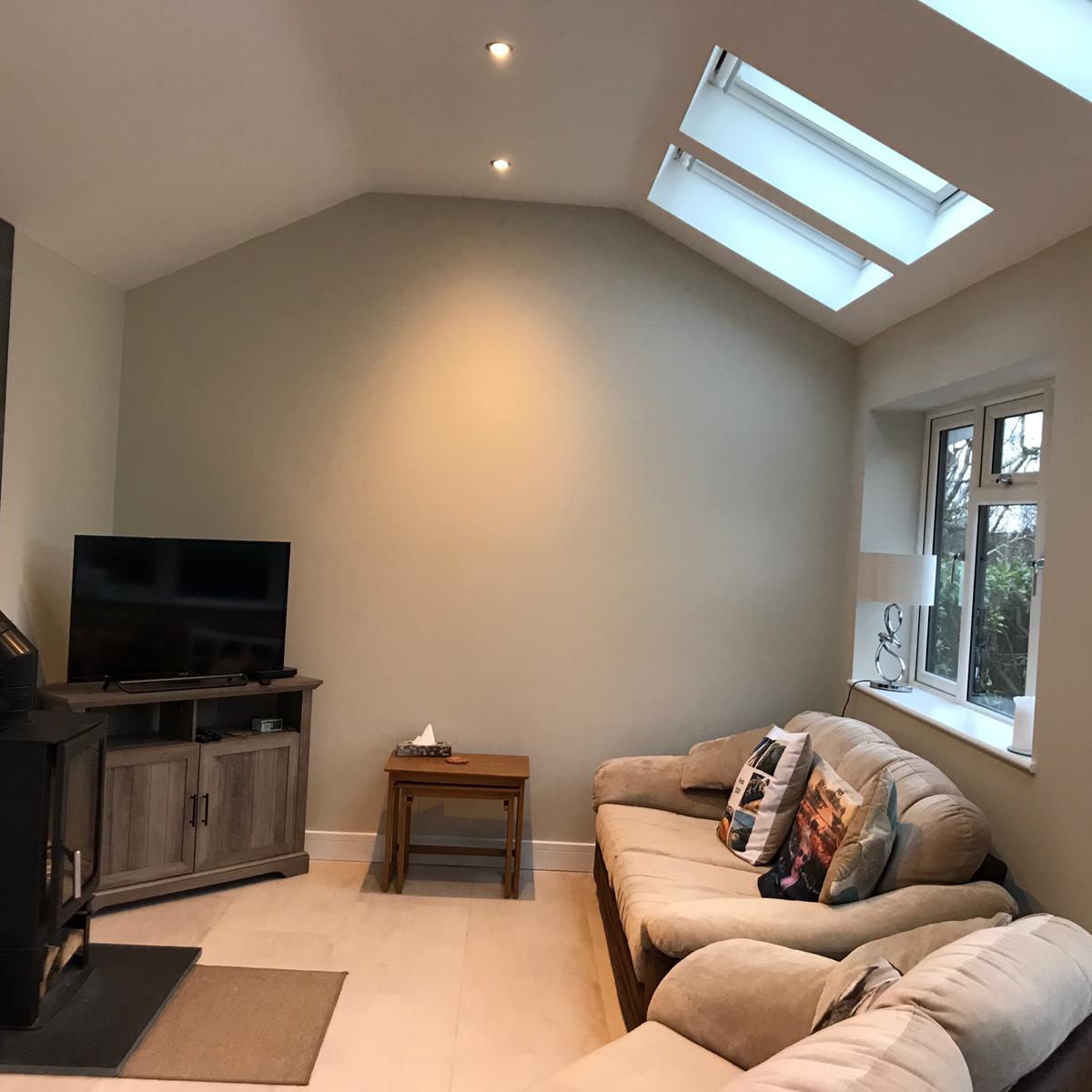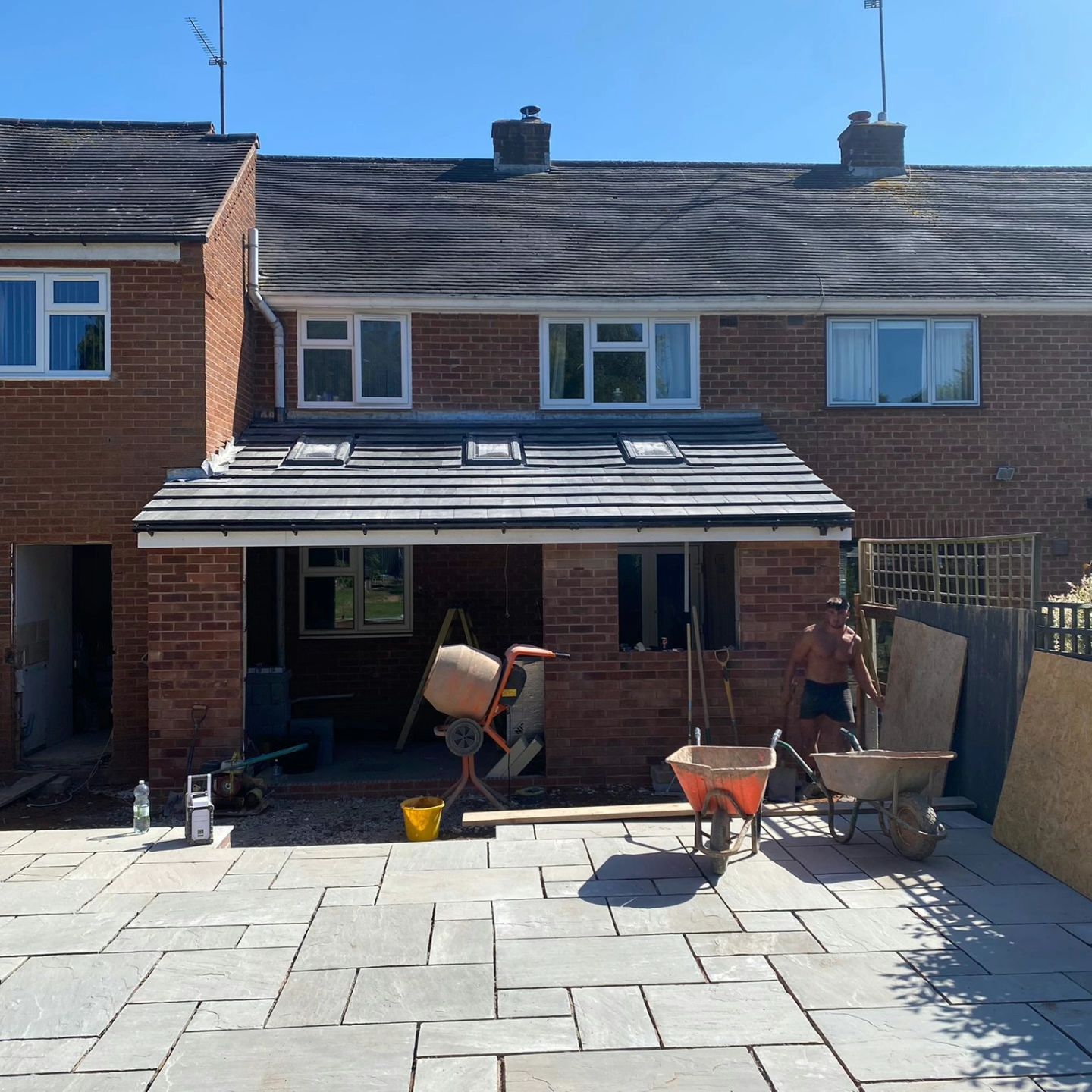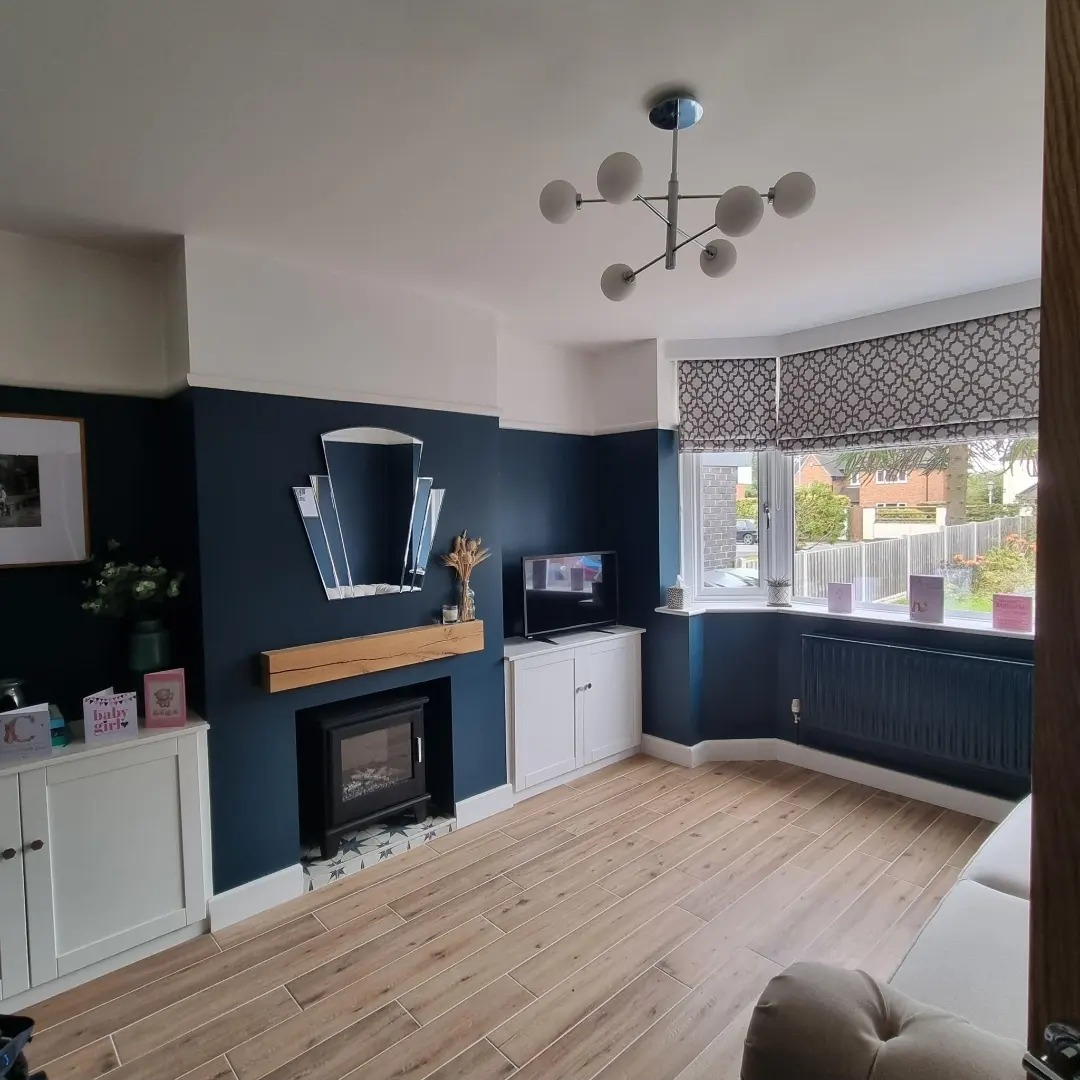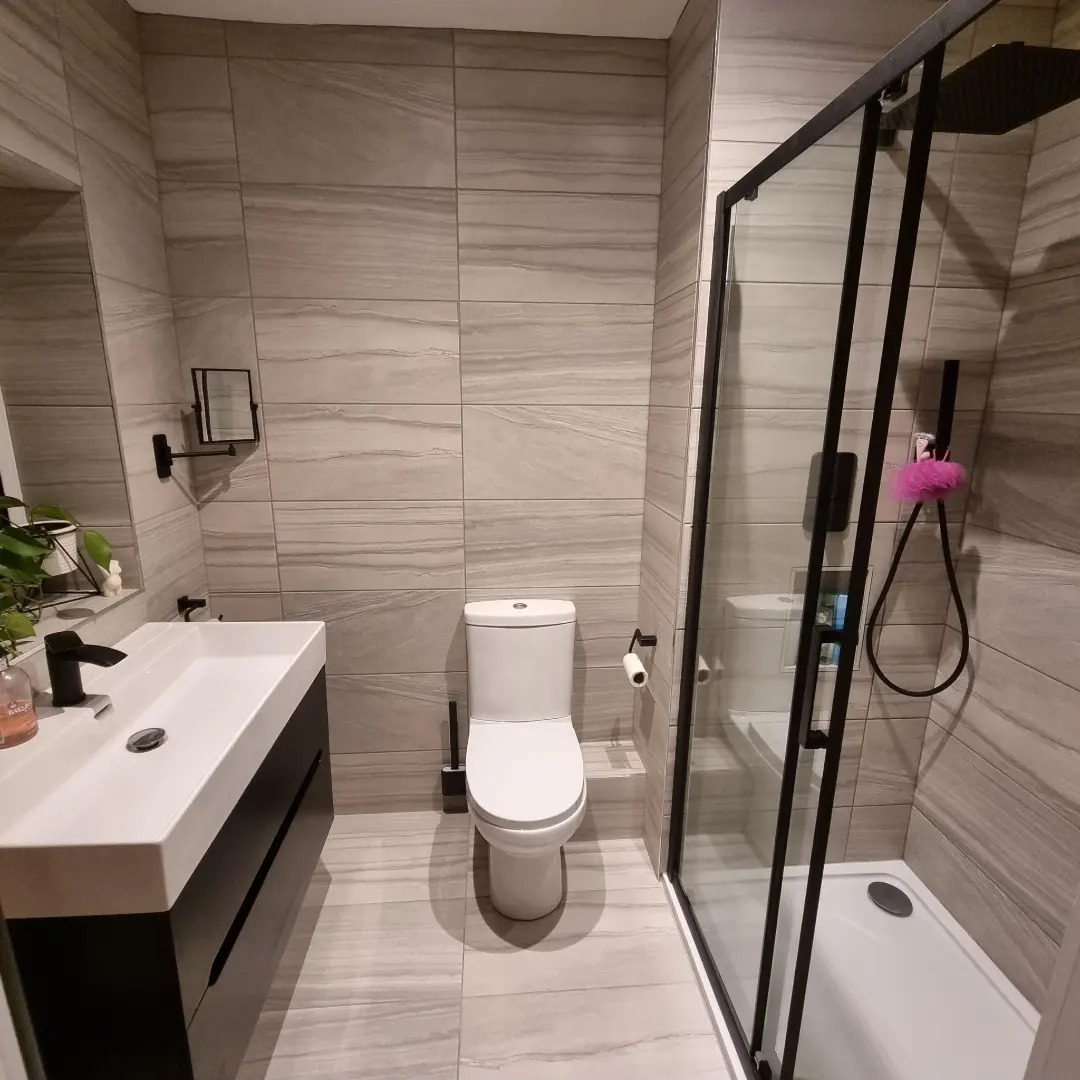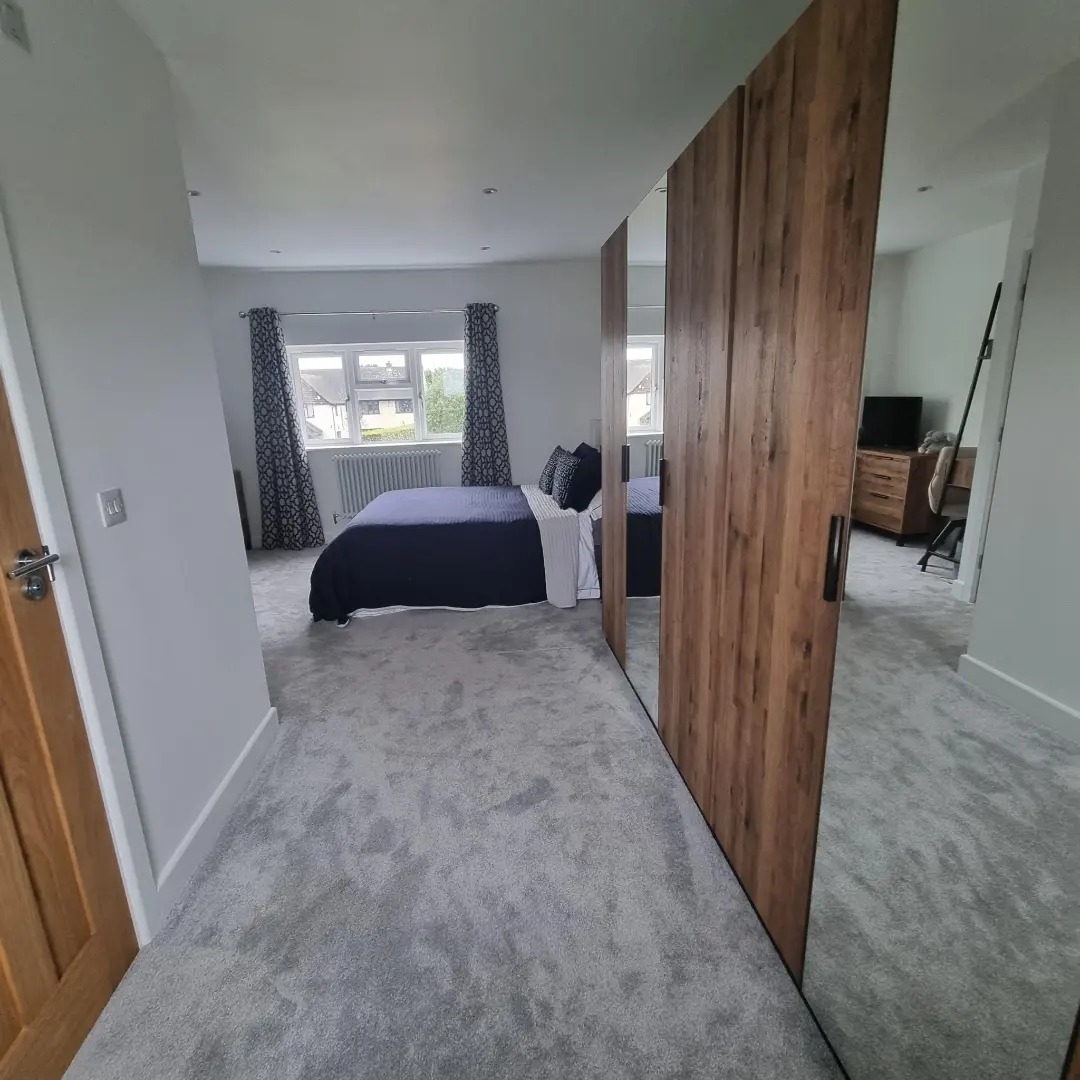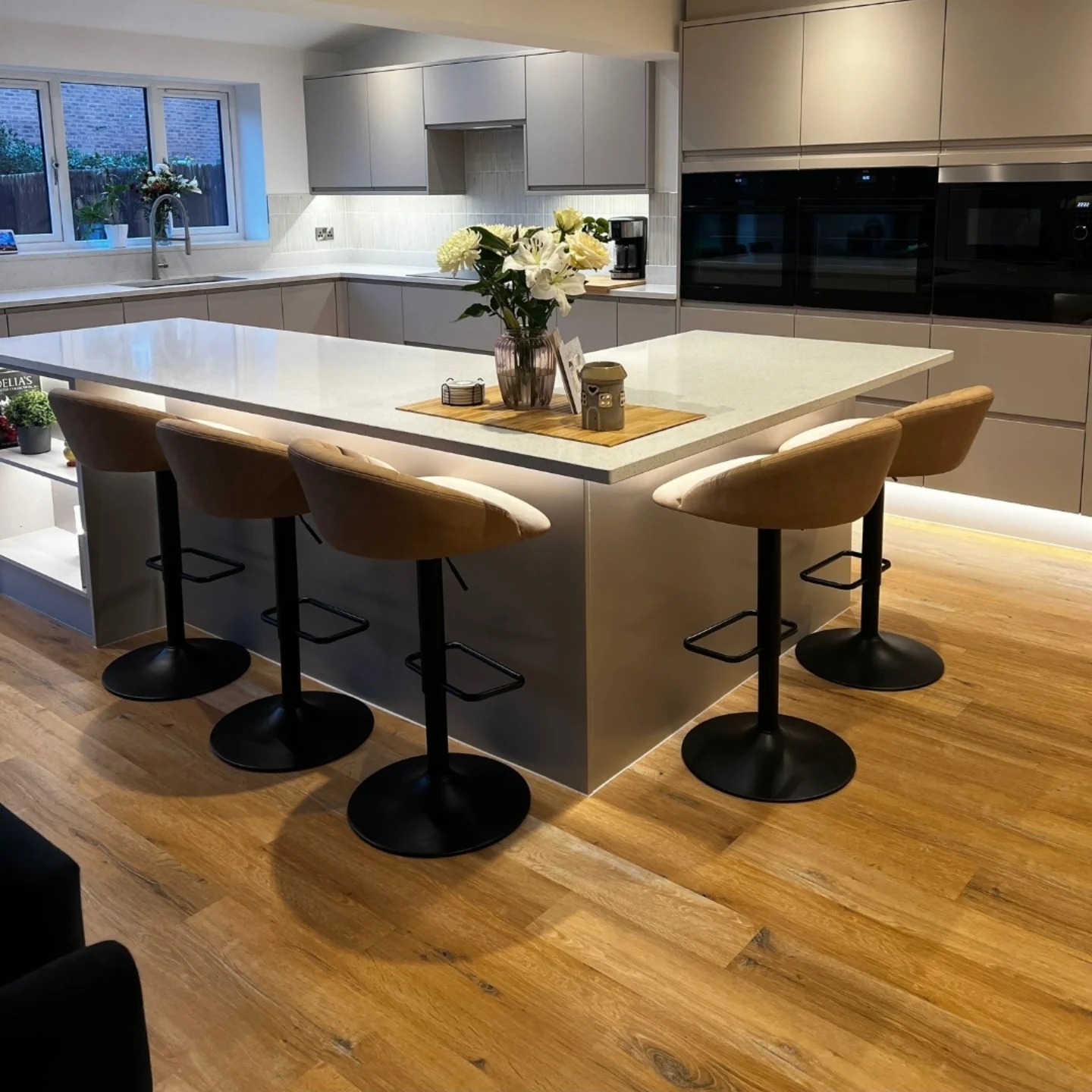
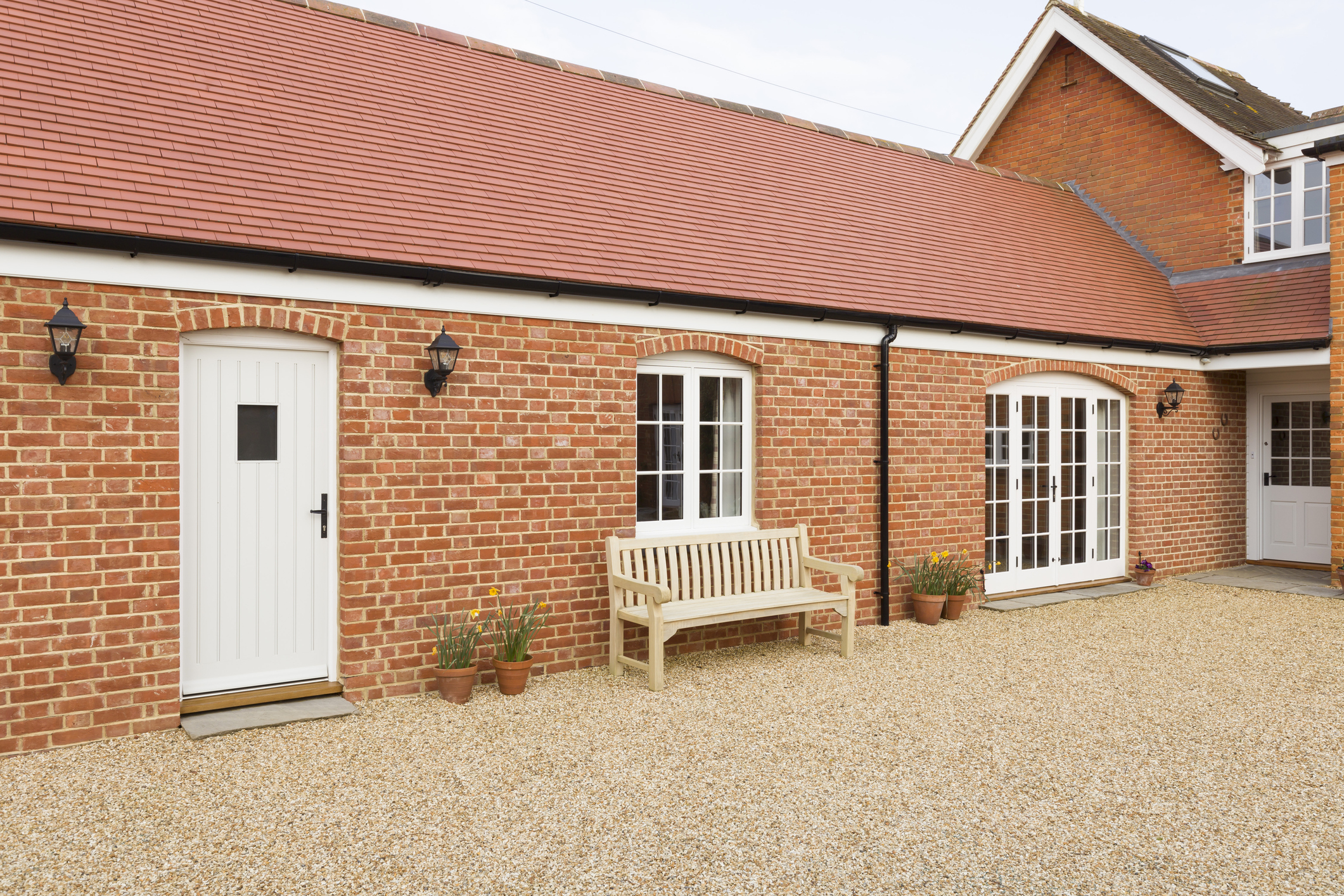
A single storey extension is one of the most practical ways to add extra space to a home in Redditch. Whether you want a larger kitchen, a more open living area, or simply a better layout for family life, this type of project can make a real difference to how your property works. It is also a popular choice because it can often deliver strong value without the need to move house.
For many homeowners, the first question is the same: how much will it cost? The answer depends on several factors, including the size of the extension, the design, the finish you want, and the complexity of the build. While there is no fixed price that suits every project, understanding the main cost drivers will help you plan more confidently and avoid surprises along the way.
Why single storey extensions are popular
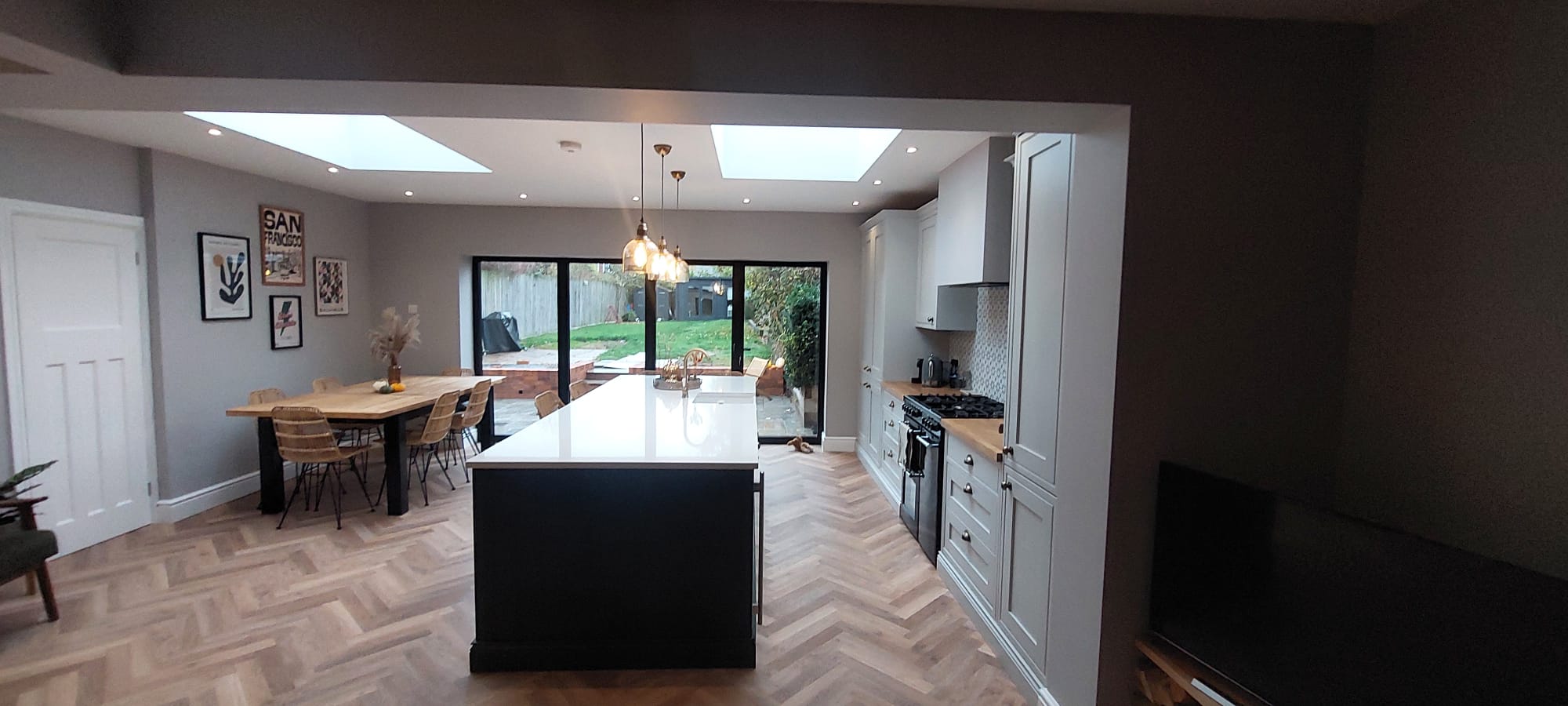
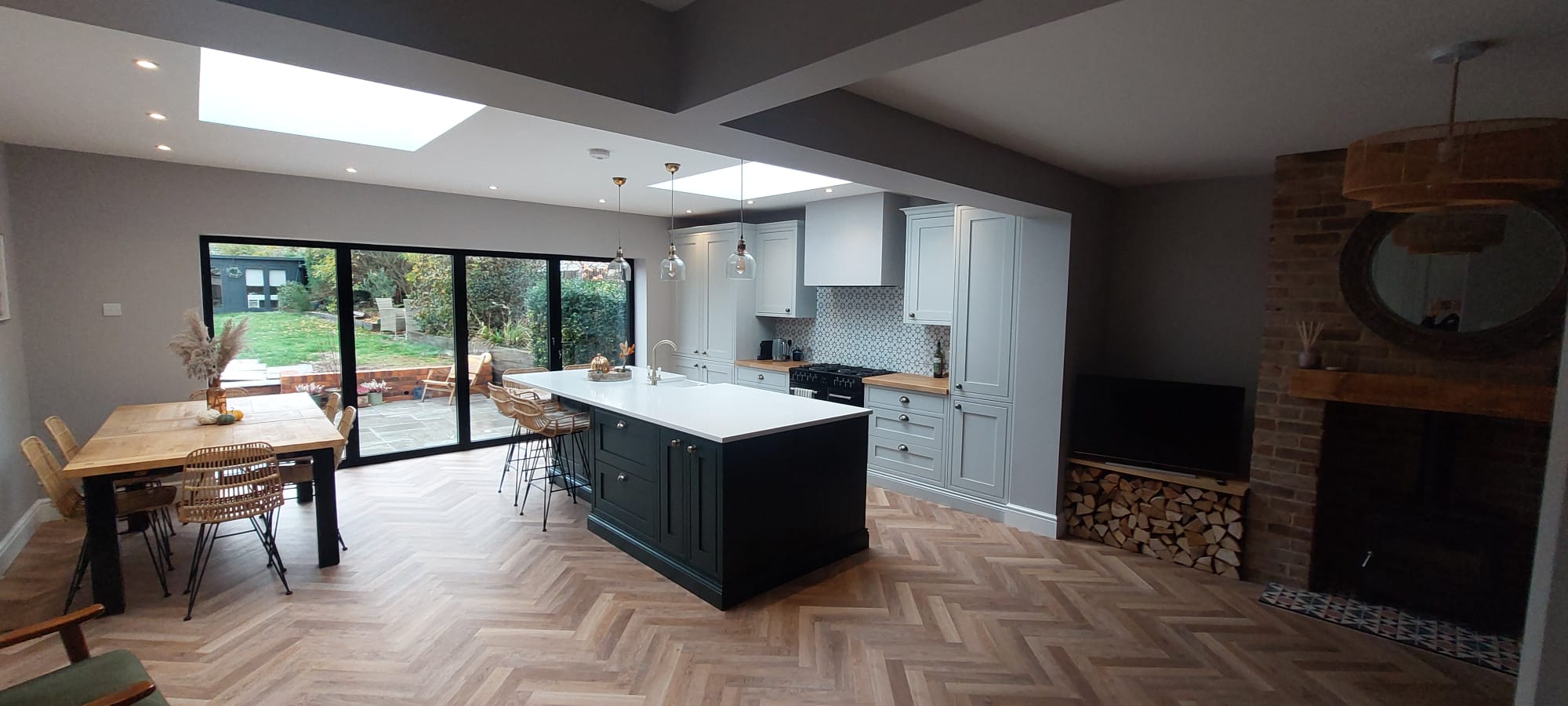
Single storey extensions remain a favourite for homeowners because they are versatile and usually less disruptive than a full multi-storey build. They can be used to create a bigger kitchen, a dining area, a home office, a utility room, or a larger family space. In many cases, they also make the property feel brighter and more connected to the garden.
Another reason they are popular is that they can suit many different house types. Semi-detached homes, detached homes, and some terraced properties can all benefit from a well-planned extension. For people living in Redditch, a single storey extension can be a sensible way to improve the home they already have rather than taking on the cost and stress of moving.
What affects the cost
Several key factors influence the cost of a single storey extension. The most obvious is the size of the build. A larger extension will naturally require more materials, labour, and time. However, size is only one part of the budget, because the complexity of the design can have just as much impact.
The structure itself plays a big role. A simple rectangular extension is often easier and more cost-effective than a more complex shape with corners, angles, or unusual roof designs. The type of foundation needed can also affect the price, especially if ground conditions need extra preparation. Roof construction, insulation, drainage, electrics, and plumbing all need to be considered too.
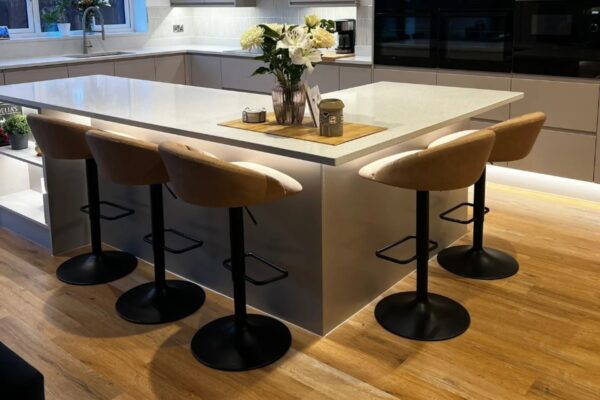
The internal finish is another major cost factor. Some homeowners want a basic shell ready for decoration, while others want a fully finished space with new flooring, lighting, fitted storage, and a high-quality kitchen or bathroom. The more detailed the finish, the more the project is likely to cost. It is worth deciding early on where you want to spend and where you are happy to keep things simple.
Planning the budget properly
A good extension budget should include more than just the build itself. It is easy to focus on the visible parts of the project, but there are often additional costs to think about. These may include design work, structural calculations, planning or building regulation applications, and any required surveys. Depending on the project, you may also need to budget for making changes to existing rooms that connect with the new extension.
It is wise to include a contingency allowance as well. Even with careful planning, unexpected issues can arise once work begins. For example, builders may uncover problems with existing walls, drainage, or foundations that need to be addressed before the new structure can be completed. Allowing a bit of extra budget can help you manage these situations without unnecessary stress.
One of the best ways to keep control of costs is to be clear about your priorities from the start. If natural light matters most, you may want to invest in larger windows or glazed doors. If storage is more important, that should be built into the layout early on. Clear priorities help prevent expensive changes later in the project.
Choosing the right design
The design of the extension has a big effect on both the price and the finished result. A well-designed extension should fit with the rest of the property and feel like a natural part of the home. It should also meet your practical needs and make better use of the available space.
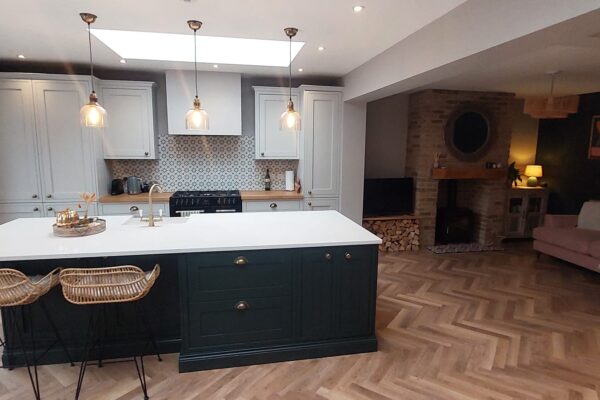
For many homeowners, open plan living is a major attraction. Combining kitchen, dining, and living areas into one larger space can make the home feel much more spacious and social. That said, open plan layouts are not the only option. Some people prefer separate zones for cooking, relaxing, or working, especially if the house needs to remain practical for busy family life.
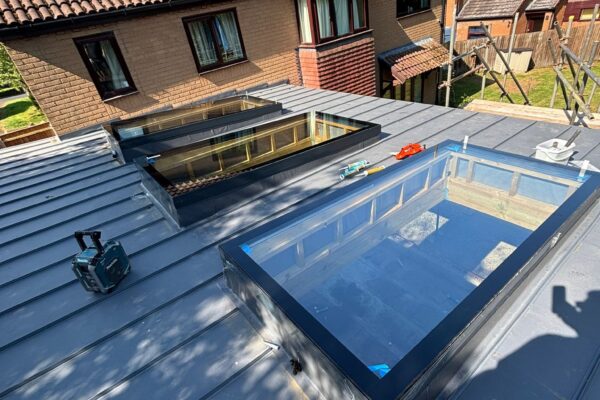
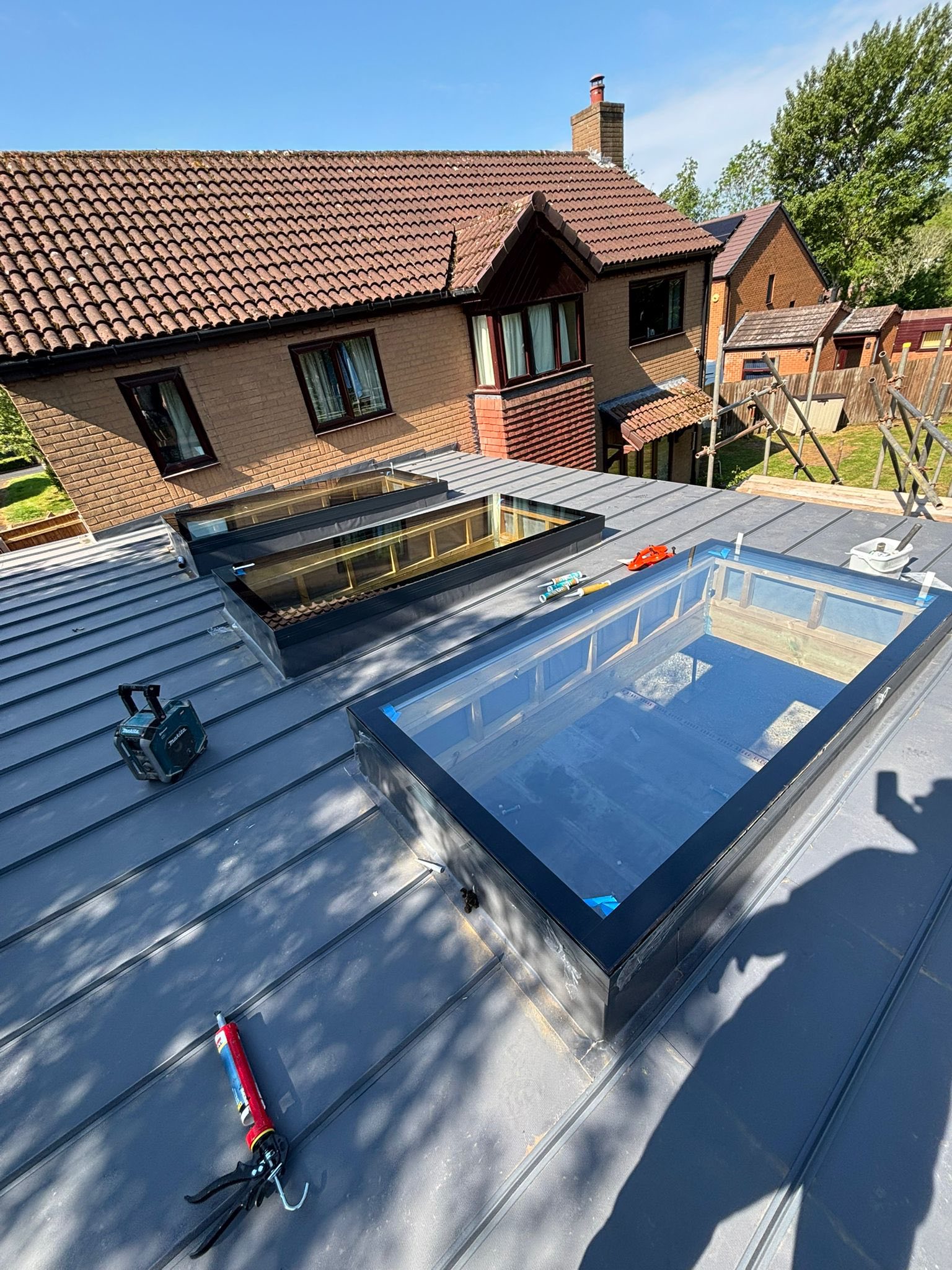
Light is another important consideration. A single storey extension can feel much more inviting if it includes roof lights, wide windows, or doors that open onto the garden. Good natural light can make even a modest extension feel larger and more welcoming. The right design choices can improve both the appearance and the everyday usability of the space.
Permissions and regulations
Before starting any work, it is important to understand whether your extension needs planning permission. Some single storey extensions may fall under permitted development, depending on their size, location, and the type of property. However, this is not something to assume, because the rules can vary and there may be restrictions that apply.
Building regulations are separate from planning permission and apply to most extension projects. These regulations cover safety, insulation, ventilation, structure, and other important technical details. Even if planning permission is not needed, the extension still has to meet these standards. Working with experienced builders and professionals can help make sure everything is done properly from the outset.
Managing the build
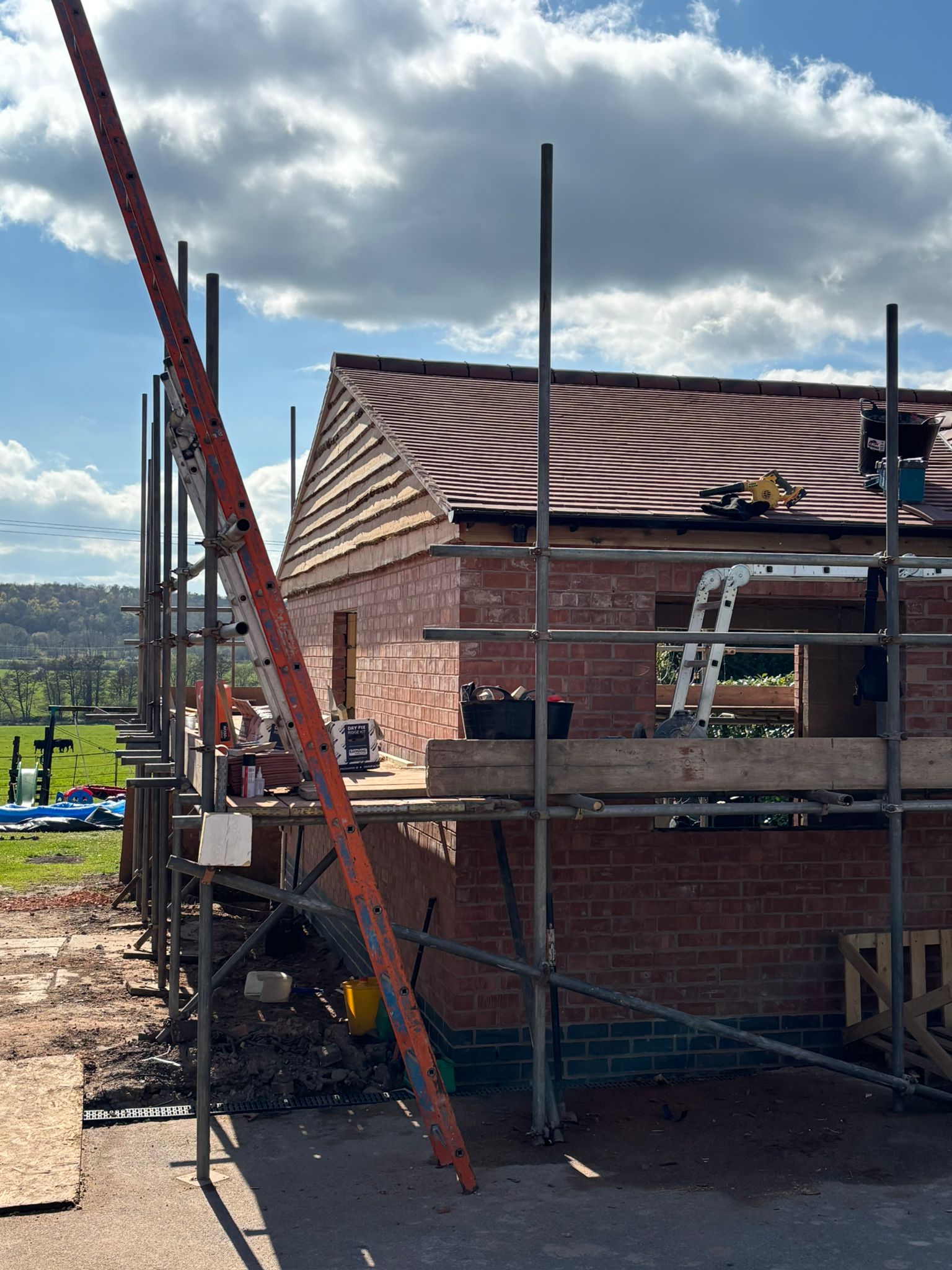
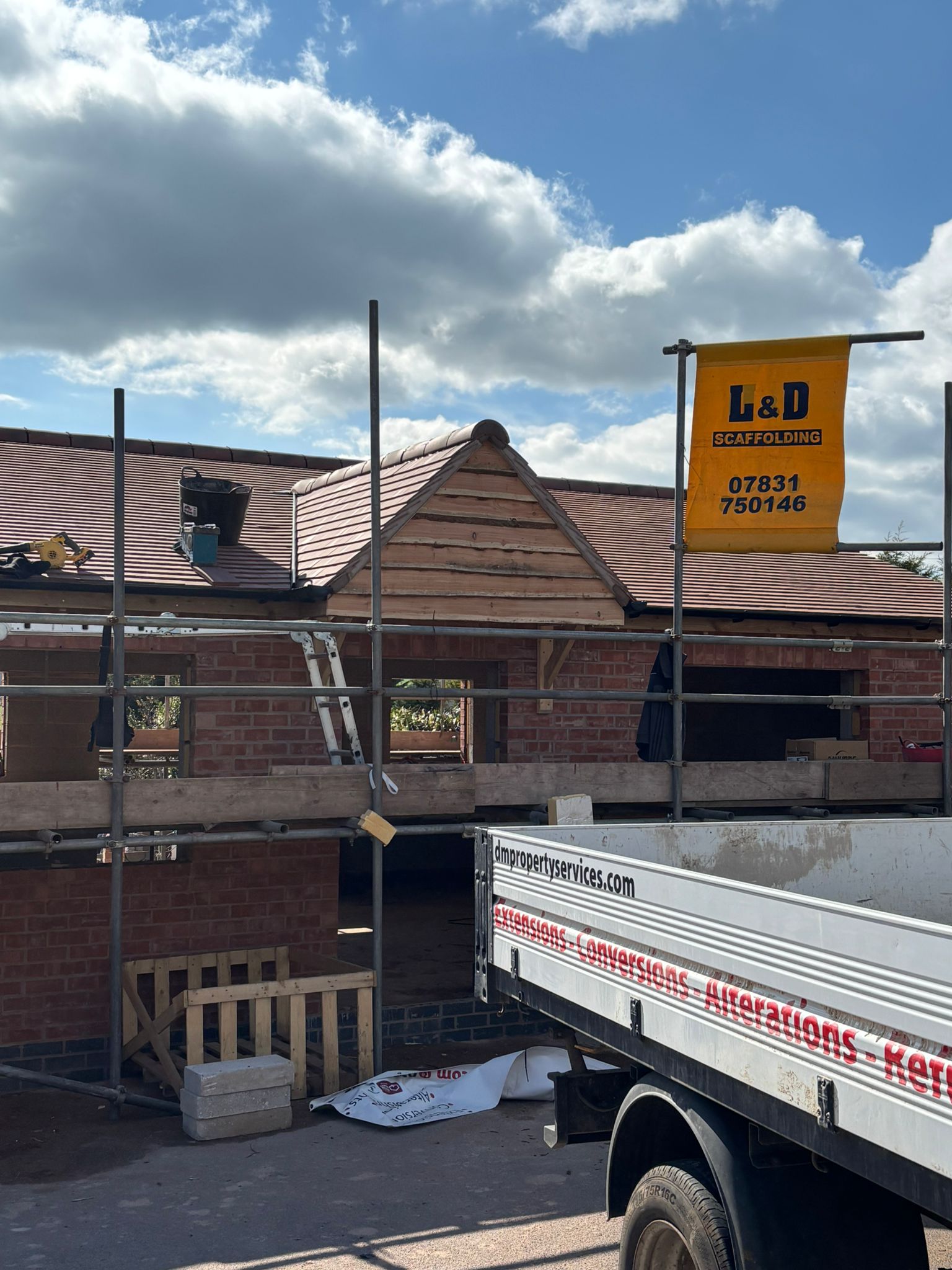
Once the design and approvals are in place, the build stage begins. This is where good project management makes a real difference. A well-organised builder will plan the work in the correct order, keep the site moving, and coordinate the different trades involved. That helps reduce delays and keeps the project more efficient.
Communication is also important during the build. Homeowners should feel informed about progress, any decisions that need to be made, and any changes that may affect the schedule or budget. A good builder will be open and straightforward, making the process easier to follow and less stressful overall.
It is also helpful to think ahead about how the build will affect daily life. If the extension connects to the kitchen or main living area, you may need to plan for some disruption while the work is under way. Knowing what to expect can make it easier to prepare and stay comfortable during the project.
Making the investment worthwhile
A single storey extension can be a significant investment, but it often adds real value in more ways than one. It can make your home more enjoyable now while also improving its appeal in the future. A better layout, more space, and a brighter interior can all make a big difference to how a property feels and functions.
The key is to approach the project with clear goals and a realistic budget. A carefully planned extension does not need to be the largest or most expensive to be successful. What matters most is that it suits your home, meets your needs, and is built to a good standard. For many Redditch homeowners, that balance is exactly what makes a single storey extension such a worthwhile project.
Conclusion
Single storey extension cost will always depend on the details of the project, but good planning can help you stay in control from the beginning. By thinking carefully about design, finish, budget, and permissions, you can create a space that adds comfort, value, and long-term practicality to your home.
For homeowners in Redditch, a well-built single storey extension is often one of the best ways to improve a property without moving. With the right approach, it can give you the extra space you need and make your home work much better for everyday life.